China Top Control Systems Automation Suppliers

China’s control systems automation market spans programmable logic controllers, distributed control systems, drives, sensors, and industrial software. The right supplier can help a plant keep production steady, reduce avoidable downtime, and make equipment easier to maintain. Yet “top” is not a universal ranking. A supplier that fits a packaging line may not suit a chemical process or a large power facility.

Technology leader Bill Gates is widely credited with the warning, “Automation applied to an efficient operation will magnify the efficiency.” The point applies directly to control systems automation: buying capable equipment cannot fix unclear processes or weak engineering. It can make those weaknesses harder to ignore. Details matter.

This guide introduces Chinese suppliers and the factors buyers should verify before shortlisting them. It looks at product range, application experience, system integration, technical support, documentation, and compatibility with existing equipment. A polished product page is only a starting point. Ask for model-specific specifications, project references, service arrangements, and realistic delivery information. Check these details independently.

There are trade-offs. A lower purchase price may bring longer commissioning or support delays; a broad catalog does not guarantee deep expertise in every application. Supplier capabilities also change over time. Treat comparisons as a starting point, not a final verdict. The most useful choice is the one whose documented capabilities match the site’s operating needs, engineering standards, and maintenance resources.
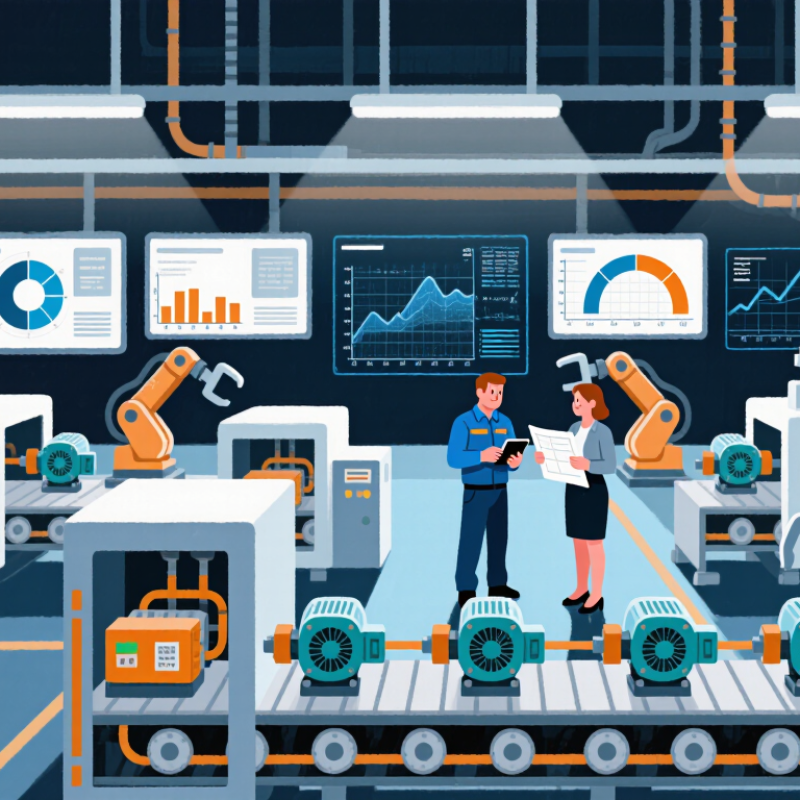
China Top Control Systems Automation Suppliers

What Control Systems Automation Covers in China

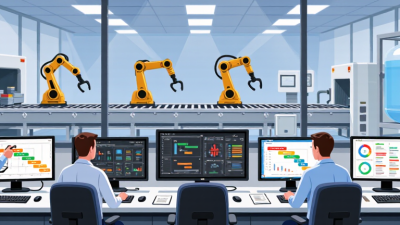
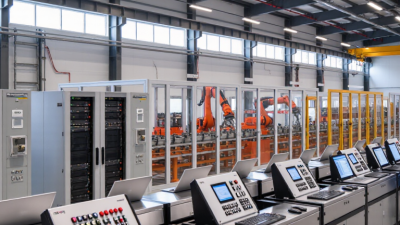
In China, control systems automation covers the equipment and software that monitor processes and coordinate machines. A typical project may combine PLCs for discrete control, DCS platforms for continuous processes, and SCADA screens for supervision. Sensors measure temperature, pressure, flow, or position; drives and actuators respond to control commands. Operators use HMIs to check alarms, adjust setpoints, and track production conditions.

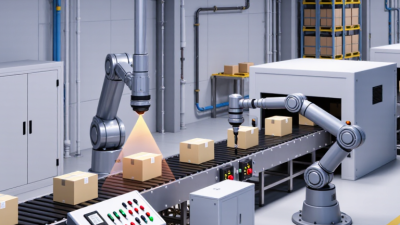
The work also includes system design, cabinet wiring, network configuration, programming, testing, and commissioning. Suppliers may integrate existing machines with newer controls, but compatibility should be checked early. A packaging line, for example, can depend on synchronized conveyors, photoelectric sensors, and emergency stops. Safety functions, cybersecurity measures, spare parts, and local technical support also affect a project’s reliability. Specifications can look complete on paper. Site conditions still change the details.

Tips: Ask for a clear scope covering hardware, software, installation, and after-sales support. Confirm communication protocols and testing criteria before ordering. Keep sample alarm lists and wiring diagrams for review. Small omissions matter. It is worth questioning assumptions, too: the lowest-cost configuration may not suit an older plant or a dusty workshop.

Key Technologies Used by Chinese Automation Suppliers

Chinese automation suppliers use programmable logic controllers, distributed control systems, and motion controllers to coordinate production equipment. A PLC can manage a packaging line’s sensors, valves, and conveyor motors with millisecond-level responses. Servo drives add precise speed and position control for robotic arms or cutting tables. These systems increasingly connect through industrial Ethernet, allowing operators to view alarms and machine status from a central interface. Clear diagnostics matter. A fault code is useful only when technicians can trace it to a sensor, cable, or setting.

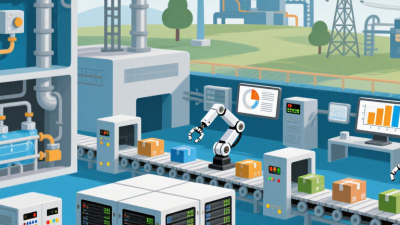
Machine vision checks dimensions, surface defects, and label placement without stopping every item for manual inspection. Edge computers can process camera images near the production line, reducing delays in sending data elsewhere. Some suppliers also integrate energy monitoring and predictive-maintenance tools, using vibration or temperature readings to flag unusual equipment behavior. Cybersecurity and system compatibility deserve equal attention, especially when older machines are connected to newer networks. A retrofit may look straightforward in a proposal, yet inconsistent wiring or undocumented settings can slow commissioning. That part is less tidy. Careful testing under real operating conditions helps reveal such gaps before full production begins.

China Top Control Systems Automation Suppliers - Key Technologies Used by Chinese Automation Suppliers

Technology Area Typical Technology and Standards Primary Function Common Applications
PLC and PAC Control Programmable logic controllers; IEC 61131-3 programming languages, including ladder diagram and structured text Executes deterministic machine and process-control logic; coordinates sensors, actuators, and equipment Packaging lines, assembly equipment, material handling, and discrete manufacturing
DCS and Process Control Distributed control architecture with operator stations, controllers, I/O modules, and process-control loops Supervises continuous or batch processes and supports centralized monitoring with distributed control Chemical processing, utilities, water treatment, and other process industries
SCADA and HMI Supervisory control and data acquisition, graphical operator interfaces, alarms, trends, and historical data Provides operational visibility, remote monitoring, alarm management, and supervisory commands Production plants, infrastructure systems, energy facilities, and geographically distributed assets
Industrial Communication Industrial Ethernet and fieldbus networks; common protocols include Modbus, PROFINET, EtherNet/IP, and EtherCAT Exchanges control, diagnostic, and production data among controllers, drives, remote I/O, and supervisory systems Machine networks, production lines, motion systems, and plant-wide integration
Motion Control and Drives Servo drives, variable-frequency drives, motion controllers, encoders, and coordinated multi-axis control Controls motor speed, torque, position, and synchronized movement CNC equipment, robotics, printing, packaging, and precision assembly
Industrial Robotics Robot controllers, programmable robotic arms, end effectors, and robot-to-machine coordination Automates repeatable handling, positioning, assembly, and process tasks Welding, machine tending, palletizing, material transfer, and assembly
Machine Vision and Inspection Industrial cameras, lighting, image-processing software, and vision-system integration Performs image-based inspection, measurement, identification, and position guidance Defect detection, dimensional checks, barcode reading, and robotic guidance
Industrial Data Integration OPC UA (IEC 62541), industrial gateways, edge computing, and connections to manufacturing information systems Collects and contextualizes equipment data for monitoring, analysis, and system-to-system exchange Equipment monitoring, production reporting, traceability, and factory data integration
Functional Safety Safety PLCs, safety relays, emergency-stop circuits, and safety-rated sensing and interlocking Reduces risk by monitoring safety functions and bringing equipment to a defined safe state Machine guarding, hazardous work cells, automated production lines, and collaborative work areas

This overview describes technology categories commonly used in industrial automation; actual capabilities and configurations vary by supplier and application.

Leading Chinese Suppliers and Their Specialties

China’s leading control-system suppliers differ less by size than by engineering focus. Some specialize in programmable logic controllers and motion control, coordinating motors, sensors, and production lines. Others focus on distributed control systems for continuous processes, where operators monitor temperatures, pressures, and flow rates from centralized consoles. Additional suppliers concentrate on supervisory software, industrial networking, servo drives, or system integration. Details matter.

Demand provides useful context, but it does not prove supplier quality. The International Federation of Robotics reported 276,288 industrial robot installations in China in 2023, equal to 51% of global installations that year (World Robotics 2024). This scale supports a broad automation ecosystem, yet buyers should check the specific application: a packaging line needs precise motion control, while a chemical process may prioritize reliable distributed control and alarm management. Compare response times, spare-parts access, protocol compatibility, and commissioning support. Ask for references from similar facilities, not just product specifications. The comparison is not always tidy; suppliers may combine hardware, software, and integration in different ways. That makes lifecycle support easy to overlook.

Industries Served by China’s Automation Suppliers

China’s automation suppliers serve industries with very different operating demands. In automotive and machinery plants, control systems coordinate motors, sensors, conveyors, and robotic cells. A production line may need fast fault detection because a stopped station can delay several downstream processes. Food and beverage facilities, by contrast, often prioritize cleanable equipment, reliable temperature monitoring, and careful batch records.

Textile mills use automation to regulate machine speed and maintain consistent fabric tension. In chemical and materials plants, control platforms monitor pressure, flow, and temperature across multiple stages. The required safeguards depend on the process; a standard configuration is not automatically suitable. Small details matter.

Automation also supports warehouses, water treatment, energy facilities, and commercial buildings. Warehouse systems track moving goods and coordinate sorting equipment, while water plants use sensors to manage pumps and treatment stages. Building controls can adjust ventilation and lighting based on occupancy, though poorly tuned settings may create discomfort rather than savings. The equipment is only part of the result.

For buyers, the industry label alone says little about a supplier’s fit. Review its experience with similar processes, documentation quality, commissioning methods, and after-sales support. Ask how alarms, manual operation, and system recovery are handled. A cabinet can look complete and still be difficult to maintain. Even a well-designed project may need adjustments once operators use it on a real production floor.

How to Compare Suppliers, Capabilities, and Support

China Top Control Systems Automation Suppliers

When comparing China’s control systems automation suppliers, look beyond product lists and headline prices. Match each proposal to your actual process: I/O count, operating temperature, communication protocols, and required uptime. Ask for a system architecture, sample wiring diagrams, and a clear bill of materials. Details matter. For PLC or distributed control system projects, check how the supplier handles integration with existing equipment, alarm logic, and data historians. A polished catalog proves little without evidence. Request relevant project references, documented factory acceptance testing, and quality records for the components being offered.

Support can shape the real cost of a system. Compare commissioning scope, training hours, spare-parts availability, and written response times—not just whether “after-sales service” is included. Ask who will troubleshoot a fault at 2 a.m., and whether remote support depends on your site’s network rules. Small omissions can matter. I would not treat the first quote as a reliable baseline; unclear exclusions can make a low bid look stronger than it is. A comparison sheet helps: list deliverables, response targets, warranty terms, and any recurring software or maintenance fees. Then ask each supplier to explain one likely failure scenario and the steps their team would take.