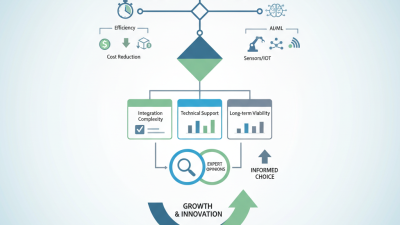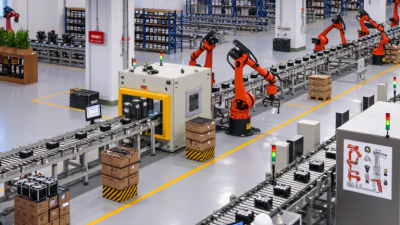
Choosing among the 10 best automatic control systems is rarely a simple ranking exercise. Global buyers face different production goals, budgets, climates, labor skills, and compliance requirements. A food processor in Germany may prioritize hygienic design and traceability. A water facility in Brazil may need strong remote monitoring and stable operation during network interruptions.
The comparison in this guide focuses on practical performance. It considers PLC and DCS architecture, PID control, SCADA compatibility, sensor integration, cybersecurity features, installation effort, and long-term service. Vendor support matters too. A technically impressive platform can become expensive when spare modules are difficult to source. That detail is easy to overlook.
Karl J. Åström, a leading control theorist, wrote, “Feedback is a central concept in engineering and is used to achieve desired behavior in the presence of uncertainty.” This principle remains highly relevant. Reliable automatic control systems must respond to changing temperatures, pressure shifts, vibration, operator input, and imperfect measurements.
No system is perfect.
Some platforms excel in high-speed manufacturing but feel excessive for small facilities. Others offer attractive software yet require specialized engineers for maintenance. This guide recognizes those trade-offs instead of presenting one universal winner. Each selection is examined through real purchasing questions: Can it scale across sites? Does it support familiar industrial protocols? Is local training available? How clearly does the supplier document safety and lifecycle limitations?
The result is a practical starting point for international buyers. It is not a substitute for site testing, risk assessment, or qualified engineering review. Conditions vary. Careful buyers should verify every specification before committing capital.
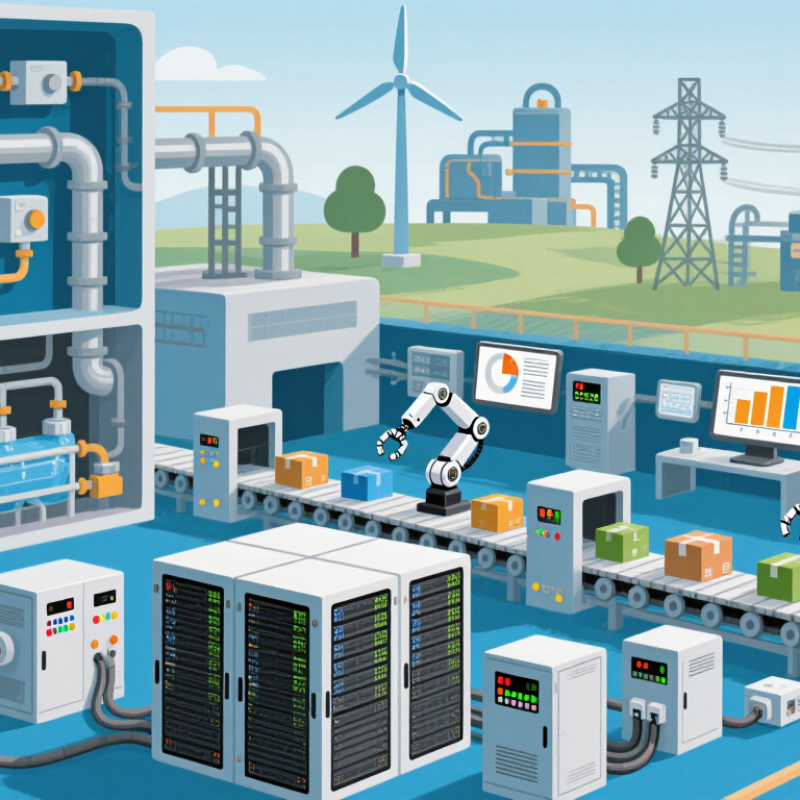
Automatic control systems connect sensors, controllers, and actuators to manage machines with limited human intervention. Sensors measure temperature, pressure, speed, or liquid level. The controller compares each reading with a target value. It then sends a signal to adjust a valve, motor, heater, or pump. This repeating feedback loop keeps a process stable.
The control method can be simple or highly coordinated. A programmable controller may run timed logic, while a proportional-integral-derivative loop corrects small process errors. In a factory, a pressure sensor can detect a falling reading, and the controller can open a valve within seconds.
The operator sees trends through a supervisory interface. Fast feedback matters. A clean dashboard can still hide a bad sensor.
The International Energy Agency reports that industry uses about 37% of global final energy. Better control can reduce idle operation, overheating, and unnecessary flow, although savings depend on equipment and maintenance. NIST’s SP 800-82 guidance treats industrial control systems as operational technology requiring separate cybersecurity planning.
Global buyers should check communication protocols, alarm records, calibration intervals, and support skills before comparing prices. IEC 61131-3 also provides widely used programming guidance for industrial controllers. Standards help, but they do not guarantee good installation.
This is where confidence should slow. A poorly tuned loop may create vibration, waste energy, and shorten equipment life. Reliable selection needs site data, tested control logic, and clear responsibility after commissioning.
Choosing among automatic control systems requires more than checking a feature list. Buyers should compare control accuracy, response time, and operating stability under real production conditions. A system that reacts within milliseconds may reduce temperature swings, material waste, or equipment downtime. However, published figures can differ from field results. Request test records from comparable applications.
Compatibility is equally important. Check communication protocols, input and output capacity, software access, and integration with existing equipment. Modular designs usually support future expansion without replacing the central controller. Look for clear data logging, remote diagnostics, and user permissions. These features help maintenance teams trace a fault at 3 a.m. Cybersecurity should include secure access, update procedures, and event histories.
Safety and reliability need practical evidence. Review applicable electrical and machinery standards for each target market. Confirm enclosure ratings, operating temperature ranges, and emergency shutdown functions. Global buyers should also examine voltage options, language support, spare-part availability, and technician training. Total cost includes installation, calibration, energy use, and service delays. Cheap equipment can become expensive quickly. I have seen comparisons focus too heavily on purchase price, while maintenance access received little attention. That is a mistake worth reconsidering. Ask for a site trial when possible. Small tests reveal awkward interfaces, noisy sensors, and slow support before a large investment.
The 10 Best Automatic Control Systems for Global Buyers should be judged by operating conditions, not attractive brochures. A system must control motors, valves, pumps, and sensors accurately. It should also remain stable in dusty workshops or humid coastal plants. Check whether the controller supports common communication protocols, such as Ethernet-based networks and serial connections. Replacement parts should be available locally, not trapped in one distant warehouse.
A reliable system needs clear diagnostics, secure user access, and simple maintenance procedures. Operators should identify a failed sensor within minutes, not hours. Look for readable alarms, event logs, and tested backup functions. Regional electrical standards matter too. Voltage ranges, enclosure protection, and certification requirements can differ between markets. A technically strong system may still create delays if local technicians cannot service it.
No system is perfect.
Global buyers should request realistic demonstrations using their own process data. Ask suppliers to explain response times, software updates, training, and long-term support. Total cost includes wiring, commissioning, spare modules, and downtime. Cheaper equipment can become expensive after repeated faults. I would also test manual control before purchase, because automation sometimes fails during unexpected conditions. That detail is easy to overlook. A careful comparison, supported by documented performance tests, usually produces a safer and more dependable investment.
The best automatic control system depends on the worksite, process speed, and existing equipment. Common choices include programmable controllers, distributed control systems, supervisory control systems, motion controllers, robotics controllers, building automation, energy management, HVAC control, process control, and machine safety systems. Each serves a different operating environment.
Programmable controllers suit packaging lines, water treatment, and material handling. Distributed systems fit large chemical, power, and manufacturing facilities. Motion controllers support precise positioning in assembly equipment. Building and HVAC systems manage temperature, airflow, lighting, and energy use. Robotics controllers require accurate communication with sensors, drives, and safety devices.
Compatibility deserves careful testing. Check voltage ranges, network protocols, input and output types, enclosure ratings, and local electrical standards. A controller may work perfectly in a dry factory but fail in a humid coastal plant without proper protection. I have seen projects delayed because an older sensor used an incompatible signal format. It looked minor. It was not.
Global buyers should request wiring diagrams, firmware policies, spare-part availability, and technical support terms. Confirm whether the system supports common industrial communication protocols and regional certification requirements. Cybersecurity also matters, especially when remote monitoring is enabled. A practical trial with real sensors often reveals problems that a sales document misses. The cheapest option can become expensive after integration.
Choosing an automatic control system starts with the process, not the product list. Define load range, response time, ambient temperature, voltage, communication protocols, and required safety functions. The International Energy Agency reports that electric motor systems consume roughly half of global electricity. Correct control settings can therefore influence both output and operating cost. A small mistake here is expensive.
During installation, map every sensor and actuator before wiring begins. Use labeled cables, protected enclosures, and a documented control sequence. Test alarms with the machine stopped, then repeat tests under realistic production conditions. Deloitte’s 2023 Smart Manufacturing Survey found that 86% of industrial leaders expect smart manufacturing to become a major competitiveness factor within five years. That expectation should not replace practical testing. Connectivity is useful only when data remains accurate.
Maintenance needs visible evidence. Record temperature, vibration, cycle time, alarm frequency, and energy consumption at regular intervals. Compare new readings with the original commissioning baseline. The International Organization for Standardization recommends risk-based maintenance practices through ISO 55000 asset-management guidance. Keep spare sensors and verified configuration files in a controlled location. Firmware updates require planning, not improvisation. No checklist is perfect. Operators may notice unusual sounds before software detects a fault, so their observations should enter the maintenance record. A system that works today may still need redesign after seasonal loads, staffing changes, or repeated nuisance alarms reveal weaknesses.
A practical comparison of widely used automatic control system categories. Scores from 1 to 5 reflect typical suitability for continuous-process control, discrete manufacturing, motion control, remote monitoring, scalability, and maintenance accessibility. The comparison is based on common industrial applications and international automation practices, including IEC 61131-3, ISA-95, IEC 61508, and IEC 62443 principles.
PLC and PAC systems are commonly selected for discrete and machine automation, while DCS platforms are well suited to continuous processes. SCADA and IIoT gateways are strongest for supervisory visibility and remote data access. Before installation, buyers should verify environmental ratings, communication protocols, cybersecurity requirements, spare-parts availability, operator training, and long-term maintenance support.
| Cookie | Duration | Description |
|---|---|---|
| cookielawinfo-checkbox-analytics | 11 months | This cookie is set by GDPR Cookie Consent plugin. The cookie is used to store the user consent for the cookies in the category "Analytics". |
| cookielawinfo-checkbox-functional | 11 months | The cookie is set by GDPR cookie consent to record the user consent for the cookies in the category "Functional". |
| cookielawinfo-checkbox-necessary | 11 months | This cookie is set by GDPR Cookie Consent plugin. The cookies is used to store the user consent for the cookies in the category "Necessary". |
| cookielawinfo-checkbox-others | 11 months | This cookie is set by GDPR Cookie Consent plugin. The cookie is used to store the user consent for the cookies in the category "Other. |
| cookielawinfo-checkbox-performance | 11 months | This cookie is set by GDPR Cookie Consent plugin. The cookie is used to store the user consent for the cookies in the category "Performance". |
| viewed_cookie_policy | 11 months | The cookie is set by the GDPR Cookie Consent plugin and is used to store whether or not user has consented to the use of cookies. It does not store any personal data. |