How to Choose the Best Industrial Automation Solutions for Your Business?
In today's fast-paced industrial landscape, choosing the right industrial automation solutions is crucial. Businesses face increasing pressure to improve efficiency and reduce production costs. This decision can greatly affect long-term success and operational efficiency. However, navigating the myriad of options can be overwhelming.
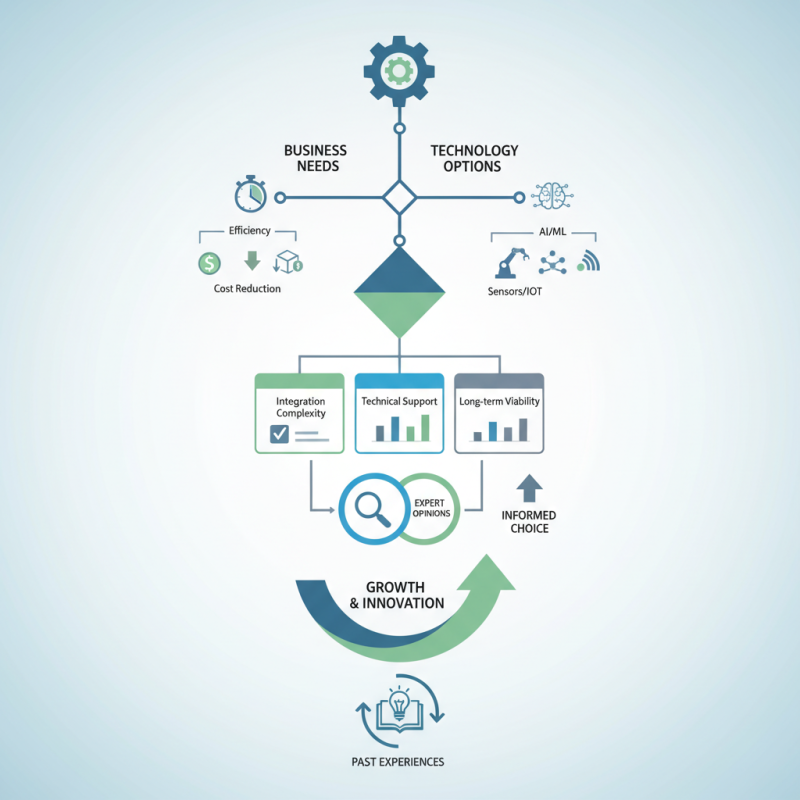
Many companies struggle to identify which solutions best meet their needs. Factors such as scalability, integration complexity, and technical support should be considered. A solution may promise efficiency, but its long-term viability is often unclear. Firms must examine case studies and expert opinions to avoid potential pitfalls.
In an era of rapid technological advancement, staying updated is vital. New technologies emerge regularly, and some may not deliver as expected. A thorough understanding of your business processes and goals is necessary to make informed choices. Ultimately, the right industrial automation solutions can drive growth and innovation, but reflection on past experiences can lead to better decisions.
Identifying Your Business Needs for Industrial Automation Solutions
Identifying your business needs for industrial automation solutions is crucial for maximizing efficiency. Begin by assessing your operational processes. Are there bottlenecks in production? Do manual tasks slow down your workflow? Understanding these pain points can direct your search for automation tools that truly fit.
Consider your industry specifics. Different sectors have unique requirements. For example, a manufacturing plant may need robotics for assembly lines, while a warehouse might benefit from automated inventory systems. Recognizing these needs helps in selecting the right solutions.
Tips:
- Engage your team for input. They see daily challenges and can suggest needs that you may overlook.
- Evaluate scalability. Choose solutions that can grow with your business demands.
- Don’t rush the decision. Take time to understand how automation impacts your operations over the long run. Reflect on potential changes before making commitments.
Evaluating Different Types of Industrial Automation Technologies
When evaluating different types of industrial automation technologies, it's crucial to understand their diverse applications.
Robotics, for instance, streamline production lines by performing repetitive tasks with precision. These machines reduce human error and increase efficiency.
However, adopting robotics requires significant investment and training. Companies must weigh these costs against potential savings.
Another technology to consider is programmable logic controllers (PLCs).
They enhance factory operations through real-time automation and monitoring. PLCs can efficiently manage machinery, which boosts productivity.
Nevertheless, integrating PLCs can be complex. Organizations need skilled personnel to manage these systems.
Lastly, artificial intelligence plays a growing role in automation.
AI can analyze data to optimize processes and improve decision-making. While AI enhances productivity, it demands a thoughtful implementation strategy.
Companies might face challenges such as data security and workforce adaptation.
Assessing these technologies requires evaluating both their benefits and challenges to find the right fit for your business.
Comparing Costs and Return on Investment for Automation Solutions
When considering industrial automation solutions, analyzing costs and return on investment (ROI) is crucial. A recent report from Deloitte indicates that companies can expect an average ROI of 20% over three years when implementing automation tools. This statistic highlights the financial benefits of strategic automation. However, it is essential to assess both upfront costs and potential long-term savings.
Investigating total cost of ownership (TCO) is vital. Initial investments can vary significantly based on the complexity of the systems. In some cases, businesses underestimate maintenance and training costs. Research by McKinsey suggests that companies should allocate 15-25% of project budgets for these often-overlooked expenses. Relying solely on optimistic ROI projections can lead to disappointment.
Additionally, the impact on labor costs is worth examining. Automating certain processes may reduce the need for manual labor, but it also often requires new skills. A survey by the World Economic Forum shows that 85 million jobs may be displaced by automation by 2025, while 97 million new roles could emerge. This shift necessitates careful planning to ensure a smooth transition. Balancing costs with the potential transformation of the workforce is critical for sustainable growth in industrial automation.
How to Choose the Best Industrial Automation Solutions for Your Business? - Comparing Costs and Return on Investment for Automation Solutions
| Solution Type |
Initial Cost ($) |
Annual Operating Cost ($) |
Estimated ROI (%) |
Payback Period (Years) |
| Robotic Arm |
50,000 |
8,000 |
25% |
2.5 |
| Conveyor System |
30,000 |
5,000 |
20% |
3.0 |
| Automated Inspection System |
70,000 |
12,000 |
30% |
3.0 |
| Machine Learning Analytics |
40,000 |
6,500 |
22% |
2.4 |
| PLC Automation Control |
35,000 |
4,500 |
15% |
4.0 |
Planning for Scalability and Future Technological Trends
When selecting industrial automation solutions, consider scalability.
A flexible system can adapt to growth and change. Look for options that accommodate increased production demands.
This proactive approach ensures long-term sustainability.
Evaluate how potential solutions integrate with existing systems. Compatibility can save time and reduce costs.
Future technological trends are crucial.
Emerging technologies like AI and IoT are reshaping industries.
Choose solutions that incorporate these advancements. They enhance efficiency and operational insight.
However, be cautious. Rapid change can lead to obsolescence if not managed well.
Regular assessments and updates are necessary.
Investing in scalable solutions is not just about today. It’s about preparing for tomorrow's challenges.
Understand potential risks and opportunities. Engage with industry experts for guidance.
Learning from past experiences can shape your decisions.
Automation is a journey, not a destination.