Why Are Control Systems Important in Automation?
Why are control systems important in automation? They turn machine instructions into coordinated, repeatable action. A sensor reads a conveyor’s speed; a controller compares it with the target; a motor adjusts within seconds. This feedback loop helps factories maintain product quality, reduce waste, and respond to changing conditions. In control systems automation, small decisions happen continuously, often too quickly for manual intervention. Precision matters.
Stafford Beer, a pioneer in management cybernetics, is widely associated with the line, “The purpose of a system is what it does.” That idea offers a useful test: does a control system actually deliver the reliability and performance people need? A well-designed system connects sensors, programmable logic controllers, drives, and actuators, while giving operators clear information when something goes wrong. It can also support safer processes and steadier production. But technology alone is not enough. A poorly placed sensor or an unclear alarm can undermine an otherwise capable installation.
The following outline explores how control systems coordinate automated equipment, improve consistency, and support operational decisions. It also considers practical limits, including maintenance, integration, and human oversight. Real plants are rarely as tidy as diagrams suggest. That deserves attention. Automation depends on sound engineering, careful commissioning, and regular review—not just fast controllers. Understanding these foundations helps readers judge where control systems create value, and where a process still needs improvement.
What Control Systems Do in Automated Processes
Why Are Control Systems Important in Automation?
What Control Systems Do in Automated Processes
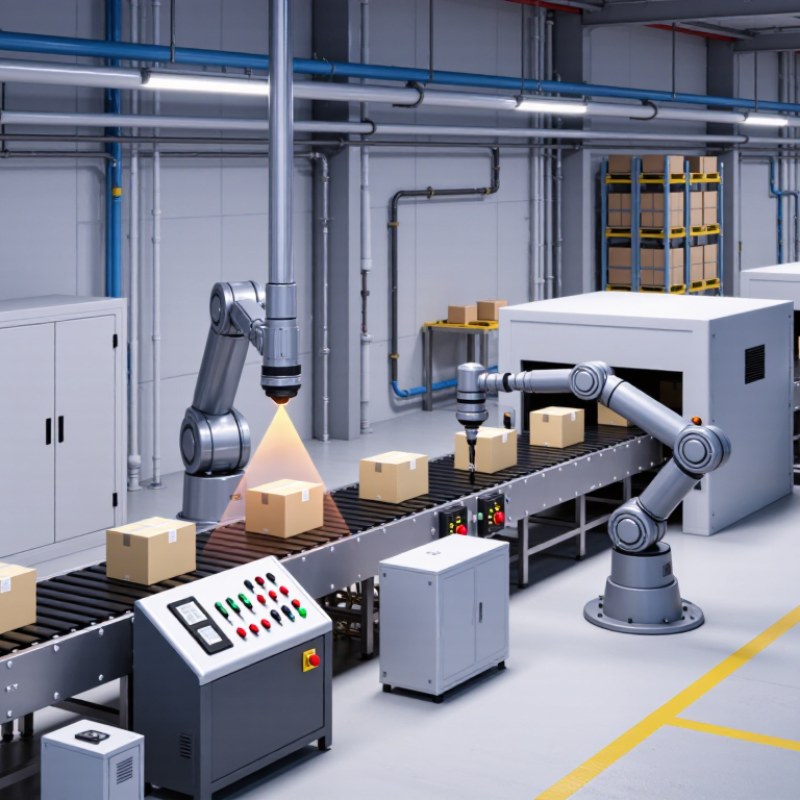
A control system coordinates machines by comparing what is happening with what should happen. Sensors measure details such as temperature, position, pressure, or speed. A controller reads those signals, applies programmed rules, and sends commands to motors, valves, or other devices. This creates a feedback loop: measure, decide, act, then measure again. Small details matter. A conveyor may slow when a photoelectric sensor detects a crowded section, helping prevent bottles from tipping or colliding.
Control systems also manage sequence and timing. On a filling line, for example, they can stop a container beneath a nozzle, open a valve for a set period, and move the container onward. If a sensor reports an unexpected position, the controller may pause the cycle and raise an alert. That matters. Operators can investigate before a minor fault affects more equipment or product. In practice, the logic is never the whole machine. Sensors can become dirty, and materials may behave differently from one shift to another. Control settings need testing and adjustment, not just a clean diagram on a screen.
How Sensors and Controllers Coordinate Machine Actions
In an automated machine, sensors and controllers form a continuous conversation. A photoelectric sensor may detect a carton reaching a conveyor stop. It sends a signal to the controller, which checks the reading against the programmed position. The controller then tells a motor or pneumatic valve what to do. Small errors matter. If the sensor is misaligned, the carton may stop too early or continue into the next station.
Controllers also coordinate timing between actions. For example, a filling machine may wait for a container sensor, open a valve for a set interval, and confirm that the container has moved away before repeating the cycle. This sequence helps prevent collisions and uneven output. Operators can review sensor readings and controller alarms to locate problems, rather than guessing from the finished product alone. Clear records make troubleshooting more reliable.
Still, a control loop is only as dependable as its measurements and settings. Dust on a lens, vibration, or gradual sensor drift can produce misleading signals. A controller may respond exactly as programmed and still make the wrong move. That distinction is easy to overlook. Regular inspection, calibration, and realistic testing help reveal weak points, especially when machine speed or product size changes. Human judgment remains useful when readings conflict with what operators observe on the floor.
Key Components That Enable Reliable Control
Why Are Control Systems Important in Automation?
Key Components That Enable Reliable Control
Reliable automation depends on a complete control loop: sensors measure conditions, a controller compares readings with targets, and actuators adjust equipment. A photoelectric sensor might detect a carton, while a motor drive changes conveyor speed. Feedback confirms whether the adjustment worked. Without it, a system may repeat an error instead of correcting it. Small details matter. Sensor placement, wiring quality, and sensible alarm limits can shape performance as much as controller settings.
The International Federation of Robotics’ World Robotics 2024 report counted 4,281,585 industrial robots operating worldwide in 2023, 10% more than in 2022. As automation scales, reliable communication, well-chosen control logic, and safety interlocks become increasingly important. These components help teams spot faults and reduce unexpected stops. Yet adding more sensors does not automatically improve control; poor calibration can make a system confidently act on bad data. That is an easy point to overlook.
Tips: Check sensor readings against a trusted reference during commissioning, then record the results. Test alarms and interlocks under realistic operating conditions, not just on a quiet bench. Review trends after maintenance. A control loop can look stable while hiding slow drift, and no checklist catches everything. Keep clear notes so the next technician can see what changed and why.
How Control Systems Improve Safety, Quality, and Efficiency
Control systems link sensors, logic, and actuators so machines can respond to changing conditions. They monitor values such as temperature, pressure, speed, and position. On a packaging line, a photoelectric sensor can detect a misaligned carton and pause the conveyor before more packages are affected. That response limits waste and reduces the need for manual corrections. Small adjustments matter.
Safety improves when a system detects an unsafe condition and triggers a defined response. For example, an interlock can prevent a machine from running while a guard is open. Pressure or temperature limits can also prompt an alarm or controlled shutdown. These safeguards work best when settings are tested, documented, and checked during maintenance. They do not replace trained operators, who must still understand alarms and know how to respond.
Consistent control helps maintain product quality. A filling system that measures each container can correct small variations before they become a larger batch problem. Steadier operation also reduces scrap, unexpected stops, and energy use, improving efficiency over time. But no controller is perfect. Sensors can drift, and poorly chosen limits may cause frequent stoppages or hide a real issue. Reviewing performance data and investigating unusual readings helps teams refine the system without guessing.
Where Control Systems Are Used Across Industries
Control systems are the working logic behind automation: sensors measure conditions, controllers compare readings with targets, and equipment responds. In a food-processing plant, they can hold oven temperatures steady and stop a conveyor when a guard opens. In power networks, they help balance generation and demand. Not just factories.
Water utilities use control systems to monitor tank levels, pump pressure, and treatment stages. In commercial buildings, they adjust ventilation and heating as occupancy changes. Farms use them to schedule irrigation from soil-moisture readings, rather than watering every field equally. The details matter: a poorly placed sensor can trigger the wrong response.
The International Federation of Robotics reported 4,281,585 industrial robots operating worldwide in 2023, in its World Robotics 2024 report. That figure shows how widely automated production has spread, though robot counts do not measure every control application. The International Energy Agency’s Energy Efficiency 2023 report estimates that industry accounts for about 37% of global final energy use. Better process control can help reduce waste, but gains depend on sound setup and maintenance. Automation is not magic. Operators still need to check alarms, calibrate instruments, and understand what the system cannot see.