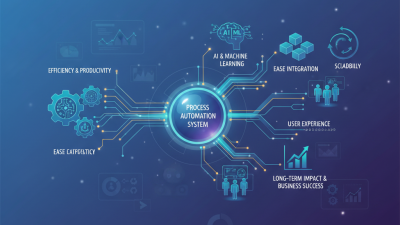
How to Leverage Process Automation Technology in 2026?
As we approach 2026, the landscape of business operations is evolving. Companies are increasingly recognizing the value of process automation technology. This technology offers solutions that streamline workflows and enhance productivity. By automating repetitive tasks, organizations can free their employees to focus on more strategic initiatives.
However, leveraging process automation technology effectively requires careful consideration. It’s crucial to identify the specific processes that benefit from automation. Not every task should be automated. Some processes may require human insight that technology cannot replicate. Furthermore, organizations must ensure their teams are adequately trained to work alongside these new tools.
The journey to successful automation is not always smooth. Companies may face challenges, such as resistance to change or underestimating the complexity of implementation. Continuous evaluation and improvement are necessary to adapt effectively. The integration of process automation technology can lead to significant advancements, but it demands thoughtful planning and execution.

Understanding Process Automation Technology by 2026
Understanding Process Automation Technology by 2026 involves recognizing its transformative role across various industries. By 2026, we will likely see extensive integration of automation in everyday operations. Tasks that once required human intervention may be handled entirely by automated systems. This shift can enhance efficiency, yet it raises concerns about job displacement and reliance on technology.
Emerging technologies such as artificial intelligence and machine learning will play a crucial role in this evolution. These tools can analyze vast amounts of data, detecting patterns that humans may overlook. However, the reliance on automation brings potential risks. Errors in automated systems can occur, leading to significant consequences in sensitive sectors. This highlights the need for oversight and a balanced approach.
While automation can streamline processes, the human element remains essential. Employees must adapt and reskill to work alongside technology. Neglecting this could result in skill gaps. Businesses should encourage continuous learning and collaboration. Embracing automation is crucial, but it must be done thoughtfully to ensure success and maintain workforce morale.
Key Trends Shaping Process Automation in the Upcoming Years
As we move towards 2026, process automation is set to transform industries significantly. A recent report by Deloitte predicts that automation could contribute up to $6.4 trillion to the global economy by 2025. This impressive figure underscores the urgency for companies to adopt automation technologies.
One trend shaping this landscape is the increasing use of artificial intelligence (AI) in automation processes. According to a study by McKinsey, organizations using AI in conjunction with automation have observed productivity rates increase by up to 40%. This trend points toward a future where intelligent systems will not only automate tasks but also enhance decision-making capabilities across various sectors.
Another notable shift is the growing emphasis on user experience. Businesses are prioritizing intuitive automation solutions that reduce complexities and enhance worker satisfaction. The World Economic Forum estimates that by 2025, 85 million jobs may be displaced by machines, yet 97 million new roles will emerge that are more aligned with this new machine-human collaboration. Organizations must reflect on how they can adapt their workforce strategies to integrate automation seamlessly while considering the human element.
Integrating AI and Machine Learning in Automation Solutions
In 2026, the integration of AI and machine learning into process automation technology is reshaping businesses. Companies can now automate not just repetitive tasks but also complex decision-making processes. Advanced algorithms analyze vast amounts of data, providing insights that were previously unattainable. This shift allows for more personalized and efficient solutions in industries ranging from healthcare to finance.
However, the implementation of these technologies is not without challenges. Organizations must invest time in training and understanding these systems. There is often resistance from employees who fear job displacement or are unsure about adopting new tools. Additionally, data quality is crucial; poor data can lead to misguided machine learning outputs. Reflecting on these potential pitfalls is essential for successful integration.
Leverage these innovative technologies with caution. Ensure that teams have a strong grasp of AI principles and ethical guidelines. Balance technology with human oversight to maintain accountability. This combination fosters a more reliable automation landscape that can adapt as needs evolve. Embracing AI and machine learning in automation requires thoughtful engagement and ongoing learning.
Strategies for Successful Implementation of Automation Technologies
In 2026, successfully implementing process automation technologies requires careful planning and execution. Organizations must begin by identifying specific areas where automation can make a significant impact. This might include repetitive tasks like data entry or customer support. Evaluate existing workflows for inefficiencies. Prioritize processes that will benefit most from automation.
In addition to identifying processes, fostering a culture of adaptability is crucial. Employees should feel empowered to embrace new technologies. Provide training to ease the transition. Encourage feedback from teams on automation efforts. Regular assessments can highlight areas that need improvement. Embrace the iterative nature of implementation.
Stakeholder involvement is also key to success. Engage management early to ensure buy-in. Communicate the benefits of automation clearly. Address concerns promptly to maintain trust. Document results and share successes widely within the organization. This builds momentum for future automation initiatives. By taking these steps, businesses can better harness the power of automation technology.
Automation Technology Adoption Trends in 2026
Measuring the Impact of Process Automation on Business Performance
Process automation is reshaping business landscapes, driving efficiency and accuracy. In 2026, it's crucial to evaluate how automation impacts performance quantitatively. A recent industry report indicates that companies using automation can increase productivity by up to 30%. This is a significant boost, but the benefits do not end there.
Consider the impact on employee engagement. Automating repetitive tasks allows workers to focus on higher-value projects. A study found that 70% of employees feel more satisfied when freed from mundane tasks. However, organizations must not overlook potential resistance. Employees may fear job displacement, leading to decreased morale. Monitoring sentiment and adjusting workplace culture is essential.
Measuring the ROI of automation is complex. A survey shows that 40% of businesses lack effective metrics to evaluate automation efforts. As companies dive deeper into automation, they must build robust frameworks to track progress. Focusing solely on cost savings might obscure other value-added benefits. Having a clear understanding of these metrics is vital to ensure sustained performance improvement.