Top Tips for Implementing Process Automation Technology in Business?
In today's fast-paced business environment, process automation technology is more critical than ever. Companies seek efficiency and precision. Automation promises to reduce human error and streamline operations. However, not all implementations yield success. Each organization has unique needs.
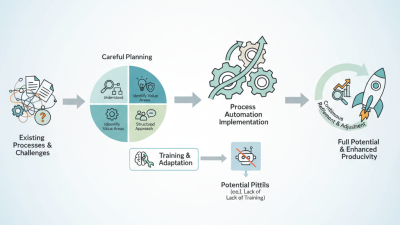
Before diving into automation, understanding the specific processes is essential. Rushing into technological solutions can lead to misalignment. Training staff is also crucial for effective adoption. Many businesses overlook the human element in technology transitions. This can result in resistance and poor results.
Effective process automation technology requires a tailored approach. It's not just about technology; it’s about integrating it into company culture. Continuous evaluation and adaptation are necessary. Monitoring outcomes and seeking feedback can help refine the processes. Embracing automation is a journey, not a destination.

Identifying Processes Suitable for Automation in Your Business
Identifying processes suitable for automation is key to maximizing efficiency in business operations. According to a report by McKinsey, up to 45% of work activities can be automated, indicating a significant opportunity for businesses to streamline their workflows. Start by assessing repetitive tasks that consume valuable employee time. For example, data entry, invoice processing, and customer inquiries are ideal candidates for automation.
When evaluating processes, consider their frequency and volume. High-volume tasks are prime candidates for automation. Implementing automation can reduce errors by up to 90%, leading to improved data accuracy. It's also worthwhile to review the complexity of each task. Simple, rule-based tasks, like generating reports or sending notifications, are easier to automate effectively.
Pay attention to employee feedback. Engaging employees can provide insights into pain points that need addressing through automation. Their input can highlight areas that may require a more nuanced approach. Additionally, pilot projects can help in understanding the impacts before full implementation. A phased approach allows room for adjustments, ensuring that the automation tools support business objectives effectively.
Top Tips for Implementing Process Automation Technology in Business
This bar chart illustrates the suitability of various business processes for automation. The scores range from 1 to 10, with higher values indicating a greater potential for automation benefits. Customer support and inventory management are among the most suitable processes for automation according to this assessment.
Assessing the Readiness of Your Organization for Automation Technology
Assessing the readiness of your organization for automation technology is crucial. Start by evaluating your current processes. Identify repetitive tasks that consume time and resources. Understanding these areas helps in spotting opportunities for automation. Engage team members in discussions about their daily workflows. Their insights may reveal hidden inefficiencies.
Next, consider the infrastructure. Does your organization have the necessary technology? Assess the existing software and hardware capabilities. Analyze data security measures in place. Automation can heighten vulnerabilities if not properly managed. Involve your IT team early in the process. Their expertise is vital in identifying potential risks.
Finally, think about the culture within your organization. Change can be met with resistance. Foster a culture that embraces innovation and learning. Provide training to help employees adapt to new technologies. Take into account the varying comfort levels with technology. This can help ease the transition and ensure a smoother implementation of automation solutions.
Choosing the Right Automation Tools and Technologies for Your Needs
Choosing the right automation tools is crucial for the success of any business. Start with understanding your specific needs. Assess existing processes that are time-consuming. Identify areas where automation can provide the most benefit. This will help you make informed decisions.
Evaluate the features of different automation technologies. Not all tools fit every business model. Consider integration with your current systems. Compatibility is essential for seamless operation. Engage stakeholders early in the process. Demonstrating potential efficiencies can foster acceptance and collaboration.
Keep an eye on user experience. Sometimes, complex tools can frustrate employees. Simple, intuitive interfaces can enhance productivity. Make room for adjustments based on feedback. Regularly review the automation outcomes. This reflection helps in optimizing processes. A continuous improvement mindset is essential for long-term success.
Top Tips for Implementing Process Automation Technology in Business
| Automation Type |
Key Benefits |
Ideal Use Cases |
Popular Tools |
| Robotic Process Automation (RPA) |
Increased efficiency, cost savings |
Data entry, invoice processing |
UiPath, Automation Anywhere |
| Workflow Automation |
Streamlined processes, improved collaboration |
Project management, approval processes |
Zapier, Monday.com |
| Artificial Intelligence (AI) Automation |
Enhanced decision making, predictive analytics |
Customer support, data analysis |
IBM Watson, Google AI |
| Marketing Automation |
Increased reach, personalized campaigns |
Email marketing, social media management |
HubSpot, Mailchimp |
| Sales Automation |
Higher conversion rates, improved lead management |
Lead generation, CRM management |
Salesforce, Pipedrive |
Developing a Clear Implementation Strategy for Automation Projects
Developing a clear implementation strategy is crucial when adopting process automation technology. Start with defining specific goals. What do you want to achieve? Identifying concrete outcomes helps guide the entire project. Engage stakeholders to gather diverse perspectives. This input is vital for understanding the needs of various departments.
Once goals are set, create a step-by-step plan. Break down the process into manageable tasks. Assign responsibilities clearly. Ensure that your team understands their roles. Regular check-ins can help maintain momentum. It's important to remain adaptable. Challenges may arise, and flexibility can lead to better solutions.
Consider the technology that fits your needs. Research and select tools that align with your objectives. Pilot testing is crucial. It allows you to evaluate effectiveness before full-scale implementation. Be prepared to learn from setbacks. Analyzing failures can provide valuable insights. Remaining open to feedback fosters a culture of continuous improvement.
Measuring Success and Continuously Improving Automated Processes
Measuring the success of automated processes is crucial for any organization. Without effective measurement, businesses may miss key insights. Start by identifying specific KPIs related to each automated task. These indicators can include time savings, error reduction, and overall efficiency. Regularly assess these metrics to determine if the automation is delivering the desired results.
Continuous improvement is just as important as the initial implementation. Gather feedback from employees who interact with the automated systems. Understand their pain points and areas of dissatisfaction. This information can guide adjustments and enhancements. Automation shouldn't be viewed as a one-time solution but rather an evolving process that adapts to changing business needs.
Reflecting on the outcomes is essential. Some automated processes may not yield expected efficiencies immediately. It's important to analyze failures as opportunities for learning. Regularly revisit and redefine success criteria to ensure alignment with overall business goals. This iterative approach promotes a culture of growth and adapts to the dynamic nature of the marketplace.