What Are the Best Types of Automation Control in China?
China’s factories run on very different control needs: a packaging line may depend on a PLC, while a refinery needs coordinated process control. Choosing the best type of automation control therefore starts with the process, not the product brochure. Small, discrete operations often suit PLCs or PACs. Large, continuous plants commonly rely on distributed control systems (DCS). SCADA helps teams supervise widely dispersed equipment, while motion and safety controllers serve precise, high-speed tasks. There is no universal winner.
The scale is substantial. The International Federation of Robotics’ World Robotics 2024 report recorded 276,288 industrial robot installations in China in 2023—51% of global installations that year. That figure signals a large automation market, but it does not prove that every facility needs a sophisticated system. A workshop with a few machines may gain more from a well-integrated PLC and clear operator interface than from an expensive plant-wide platform. The difference shows up on the floor: wiring, alarms, response times, and the technician’s ability to diagnose a fault.
Control theorist Karl J. Åström, co-author of Feedback Systems, writes, “Feedback is a central concept in control.” It is a useful reminder: reliable automation depends on sensing, decisions, and corrective action working together. The best choice also depends on local engineering support, upgrade plans, and how easily equipment communicates. These details are sometimes underestimated. This guide compares the main control types used in China and explains where each can fit, while recognizing that real plants rarely match neat categories.
What Automation Control Means in China’s Industrial Landscape
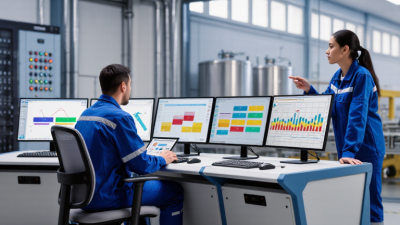
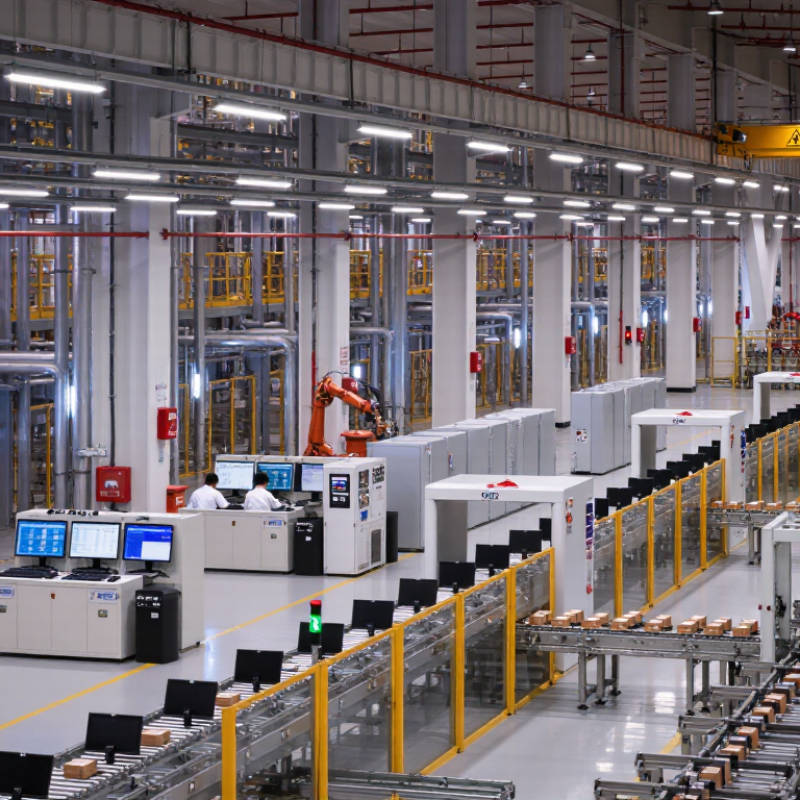
In China’s industrial landscape, automation control means coordinating machines, sensors, software, and people so production runs safely and consistently. A packaging line in Suzhou, for example, may use sensors to detect bottle spacing, controllers to adjust conveyor speed, and alarms to flag jams. Each signal supports a practical decision on the factory floor. Small delays matter.
Control systems also help plants manage quality, energy use, and equipment uptime. Programmable logic controllers often handle fast, repeatable machine tasks. Supervisory systems let operators view alarms and production data across a line. Process control systems suit continuous operations, while motion control keeps robots and motors moving with precision. The best arrangement depends on the process, not a fashionable label.
Factories across China differ in age, scale, and technical staffing. Some connect modern equipment with older machines, which can make integration harder than a diagram suggests. Operators need clear screens and useful alarms, not more data for its own sake. Maintenance teams also need access to reliable machine histories. Cybersecurity and safe fallback procedures deserve attention during design. No setup is perfect. A control plan should be tested under real workloads, reviewed after faults, and adjusted when production changes.
Major Types of Automation Control Systems Used in China
What Are the Best Types of Automation Control in China?
Major Types of Automation Control Systems Used in China
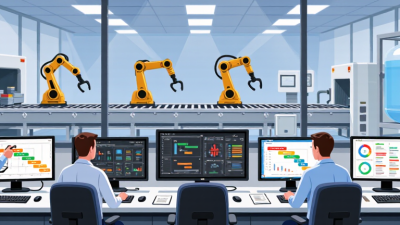
China’s plants use several kinds of automation control, often in one production line. Programmable logic controllers manage discrete tasks, such as starting a conveyor or stopping a press at a sensor signal. Distributed control systems suit continuous processes, including chemical production and temperature regulation. Supervisory control and data acquisition systems help operators monitor equipment across a large site. CNC and motion-control systems handle precise cutting, placement, and movement. Safety controllers manage protective functions, such as stopping a machine when a guard opens. The best fit depends on the process, not just the factory’s size.
Scale matters. The International Federation of Robotics’ World Robotics 2024 report records 276,288 industrial robot installations in China in 2023, equal to 51% of global installations. That figure shows the breadth of automated production, but it does not reveal which control system is most common. Real facilities often combine PLCs, robot controllers, sensors, and supervisory software. The boundaries can blur. A clean system diagram may not match the wiring and workarounds on the factory floor. Engineers should check response time, reliability, maintenance skills, and how easily operators can diagnose faults. A cheaper controller can cost more when a line stops. And integration is rarely effortless.
Major Types of Automation Control Systems Used in China
A practical comparison of common control systems by their typical scope of control.
The scope index is a qualitative guide, not market-share data or a performance ranking. Motion and CNC controllers typically handle precise machine-axis tasks; PLCs and PACs commonly control machines, cells, or production lines; DCS platforms coordinate plant processes; and SCADA systems provide supervisory monitoring and control across distributed assets. Actual deployments can overlap.
How Different Control Types Support Industrial Operations
What Are the Best Types of Automation Control in China?
How Different Control Types Support Industrial Operations
Industrial operations rarely depend on one control type. A programmable logic controller handles fast, repeatable tasks, such as stopping a conveyor when a sensor detects a blocked carton. It suits discrete machinery and clear sequences. For continuous processes, a distributed control system coordinates many loops, such as maintaining temperature and flow across a production area. The choice depends on the process, not a national rule.
Supervisory control and data acquisition systems give operators a wider view. They can monitor equipment across a water facility or a group of remote sites, while local controllers continue operating. Motion control adds precise speed and position to robotics, cutting tools, and packaging lines. Useful, but not magic. A fast controller cannot fix a poorly placed sensor or confusing alarm screen.
In practice, plants often combine these systems. A packaging line might use motion control for positioning, PLCs for sequence logic, and supervisory software for production status. Operators still need clear displays, practical training, and a safe response when communication fails. Keep it practical. One design detail is easy to overlook: maintenance staff must understand how the controls interact. There is no tidy formula, and a simpler setup may be easier to support than a more connected one.
Key Factors for Choosing an Automation Control System
Choosing an automation control system in China starts with the process, not the product category. PLCs suit discrete tasks such as packaging lines, while DCS platforms often fit continuous production. Motion controllers help coordinate fast, precise movement. A practical site review should record cycle times, sensor counts, temperature, dust, and planned production changes. A control cabinet beside a warm, dusty conveyor has different needs from one in a clean room.
Tips:
List the equipment that must connect, including older machines and sensors. Check communication compatibility, local engineering support, spare-part availability, and the time needed for repairs. Ask suppliers to demonstrate a real fault-recovery sequence, not only a polished interface. Test the system with operators before full deployment. Small usability issues can become daily delays.
Also compare lifecycle costs, cybersecurity provisions, safety functions, and expansion options. A low purchase price may hide expensive integration or maintenance. Conversely, a complex system can be more than a small facility needs. It is easy to overestimate future growth; revisit that forecast with production and maintenance teams. Document the reasons for each selection, and keep assumptions visible. Choices may need adjustment after real operating data arrives.
Emerging Trends in China’s Automation Control Industry
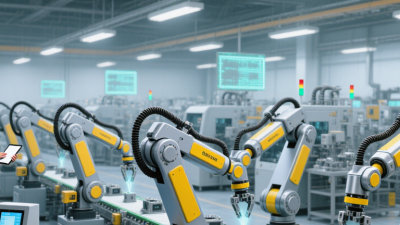
China’s automation-control market is shifting from isolated machine control toward connected production systems. IFR’s World Robotics 2024 report records 276,288 industrial robot installations in China in 2023, about 51% of global installations. That scale is pushing factories to link robots, programmable logic controllers, sensors, and manufacturing software. On a factory floor, this can mean a controller adjusting conveyor speed as vision sensors detect a misaligned part.
A second trend is data-enabled control. Industrial internet platforms and edge computing help process machine data near the production line, where delays matter. The Ministry of Industry and Information Technology has described industrial internet adoption across 45 major sectors of China’s economy. This broad reach supports more predictive maintenance and flexible production, especially in electronics and automotive supply chains. But connectivity alone does not make a factory intelligent.
The practical direction is hybrid control: dependable PLCs handle fast, safety-critical operations, while analytics tools help supervisors tune processes and spot recurring faults. IFR also reports China’s robot density reached 470 robots per 10,000 manufacturing employees in 2023. Impressive, but uneven. Smaller plants may lack clean data, skilled integrators, or time for careful commissioning. A dashboard can look precise while hiding poor sensor calibration; that gap deserves more attention.