What is Control Automation and Why It Matters for Buyers?
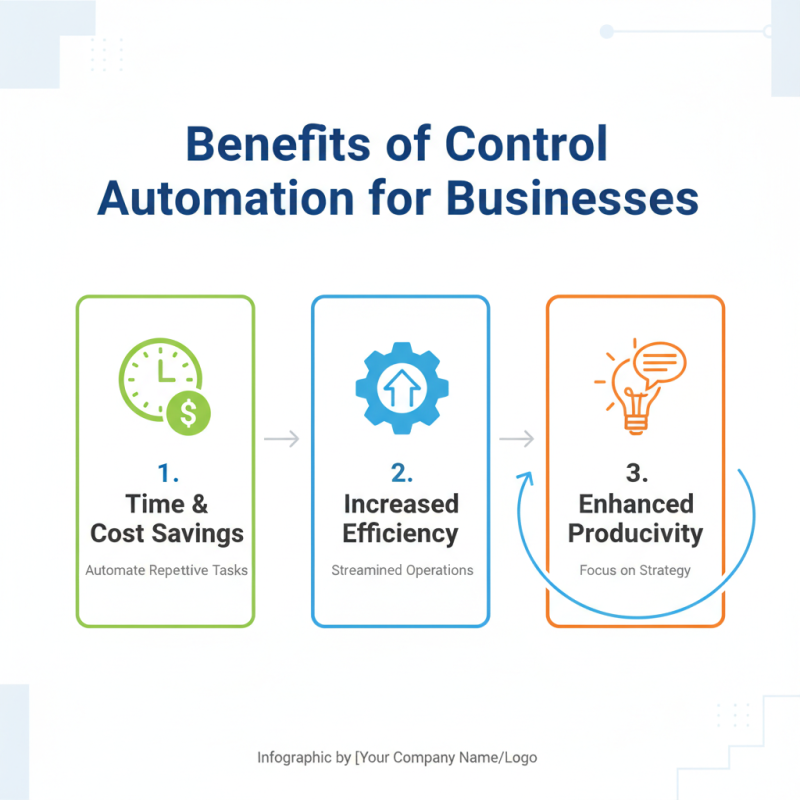
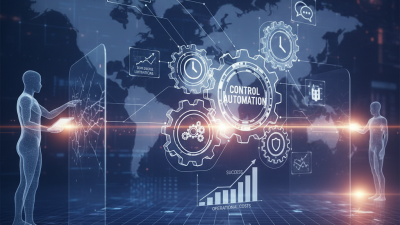
Control automation is revolutionizing industries by streamlining processes and improving efficiencies. Experts like Dr. Emily Chen, a leading figure in automation technology, emphasize its importance: "Control automation transforms how businesses operate." This technology allows companies to reduce errors and enhance productivity, making it essential for buyers in today’s competitive market.
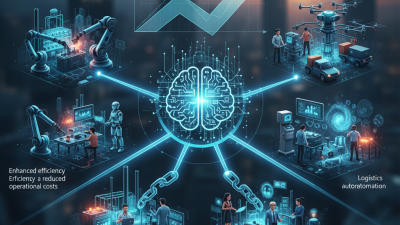
As organizations face increasing pressure for efficiency, control automation provides a solution. It integrates advanced software and hardware to manage tasks that were once manual. This shift requires buyers to understand its long-term value and potential challenges. Investing in these systems can be daunting, but the benefits often outweigh the initial hurdles manufacturers face.
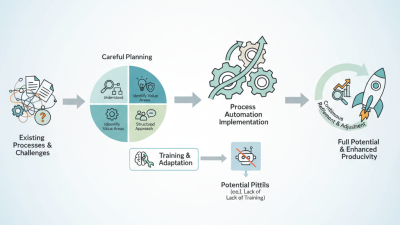
With rapid advancements, control automation is not without risk. Companies might struggle to adapt or fully realize the technology's capabilities. Thus, potential buyers should approach with caution. Understanding both the advantages and limitations is key to leveraging control automation effectively. This awareness can drive successful implementation and ultimately enhance overall business outcomes.

What is Control Automation?
Control automation is increasingly shaping industries by streamlining processes and enhancing efficiency. At its core, control automation refers to the use of technology to manage and regulate systems with minimal human intervention. This is crucial for sectors such as manufacturing, energy, and transportation, where precision and consistency are vital. By automating control functions, businesses can reduce errors and increase production speed.
Implementing control automation can lead to significant resource savings. Organizations can monitor operations in real time, identify issues swiftly, and react proactively. However, it’s vital to regularly assess the effectiveness of these systems. Overreliance on automation may lead to deskilling among workers or overlook the subtle human insights that drive innovation.
**Tips**: Regular training is essential. Employees should understand the technology they work with. Also, schedule periodic evaluations of automation systems to ensure they align with current business goals. Don’t forget to encourage feedback from staff. They can provide unique perspectives that enhance system performance. Balancing automation with human involvement is key to maintaining a robust operational framework.
The Key Components of Control Automation Systems
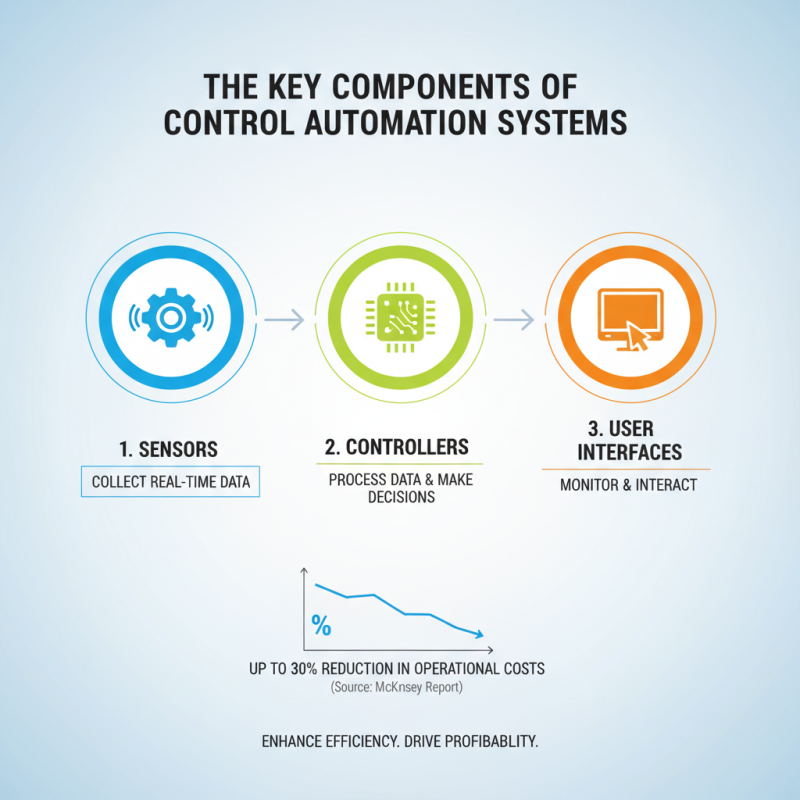
Control automation integrates various technologies to enhance efficiency and effectiveness in various industries. Key components of these systems include sensors, controllers, and user interfaces. Sensors collect real-time data, enabling systems to respond dynamically to changes in the environment. According to a report from McKinsey, companies that implement these systems see a reduction in operational costs by up to 30%. This efficiency can drive profitability, but the initial investment might seem daunting for some buyers.
Controllers act as the brain within these systems. They process inputs from sensors and command actuators to perform tasks. Industry experts emphasize the importance of robust controllers, as they directly affect system reliability. Harvard Business Review states that systems with advanced controllers can achieve higher precision and lower error rates, making them indispensable in sectors like manufacturing and energy.
User interfaces enable operators to interact with control automation systems. Intuitive designs can enhance user experience, but poor design can lead to operational mishaps. A study revealed that 40% of users faced difficulties navigating complex interfaces. This points to a significant need for reflection on the usability aspect among developers and buyers. Prioritizing seamless integration and user-friendliness in these systems is vital for maximizing their potential.
How Control Automation Influences Buyer Decision Making
Control automation is reshaping how buyers approach decision-making. Recent studies show that 70% of buyers rely on automated systems for critical assessments. This shift emphasizes the importance of accuracy and speed in purchasing processes. Buyers are now more educated, seeking data-driven insights to influence their choices.
One key aspect is the increased transparency that automation provides. Automated systems deliver real-time data and analytics. Buyers can easily evaluate options. A report reveals that 65% of buyers feel more confident when using automated tools. This boost in confidence leads to quicker decisions. Yet, this reliance on automation also raises concerns about over-dependence.
Tips: Consider the quality of data behind automated processes. Ensure that systems are regularly updated. Sometimes, human insights can provide context that automation lacks.
Automation's influence extends beyond efficiency. It shapes buyer expectations and preferences. As a result, providing tailored experiences is vital for success. A mindful approach to automation can enhance engagement and satisfaction. However, buyer expectations can shift. Staying informed about market changes is crucial for relevance.
Impact of Control Automation on Buyer Decision Making
Future Trends in Control Automation Technology
Control automation technology is rapidly evolving, catering to various industries by enhancing efficiency and reducing costs. According to a report by McKinsey, automation can boost productivity by up to 30% in certain sectors. This growth stems from the integration of advanced technologies like artificial intelligence and machine learning. These innovations allow systems to learn from vast data inputs, making real-time adjustments that improve performance.
Future trends indicate an increasing focus on interoperability among automation systems. The rise of the Internet of Things (IoT) supports seamless communication between devices. For instance, a recent study by Deloitte projected that by 2025, over 75 billion devices will be connected globally, impacting automation frameworks. However, as these systems become more complex, the need for robust cybersecurity measures grows. Vulnerabilities must be addressed, as reliance on automation could expose companies to significant risks.
Moreover, ethical considerations in automation cannot be overlooked. Workers may face displacement due to automation, generating concerns about job security. A survey from PwC showed that 44% of employees fear losing their jobs to machines. Balancing technological advancement with ethical responsibilities remains a challenge. The future of control automation is bright, but it requires thoughtful implementation and ongoing dialogue around its implications.
What is Control Automation and Why It Matters for Buyers? - Future Trends in Control Automation Technology
| Dimension |
Description |
Importance for Buyers |
| Efficiency |
Automation streamlines processes, reducing manual effort and time. |
Helps buyers save operational costs and improve productivity. |
| Scalability |
Systems can be scaled up easily to meet increasing demands. |
Enables buyers to grow their operations without significant new investments. |
| Data Collection |
Automation collects and analyzes data in real-time. |
Provides buyers with insights that drive strategic decisions. |
| Risk Reduction |
Minimizes human error and enhances reliability. |
Increases buyer confidence in operational outcomes. |
| Integration |
Can integrate with existing systems easily. |
Buyers can maintain current workflows while upgrading technology. |