Why Control Automation is Essential for Modern Industries?
Control automation has become a cornerstone of modern industries. According to Dr. Emily Chen, a leading expert in automation technology, "Control automation drives efficiency and innovation in today's market." This statement underscores the significance of integrating advanced control systems into industrial processes.
By utilizing control automation, companies can enhance productivity while minimizing human error. Real-time data monitoring allows for swift adjustments, ensuring optimal performance. However, the transition to automated systems poses challenges. Workers may fear job displacement, and organizations must navigate the costs of implementation.
Despite these issues, the benefits of control automation are undeniable. It not only streamlines operations but also fosters sustainability. As industries strive for smarter solutions, embracing control automation is essential for survival and growth. Balancing the human aspect with technological advancements will shape the future of industry.

Importance of Control Automation in Enhancing Production Efficiency
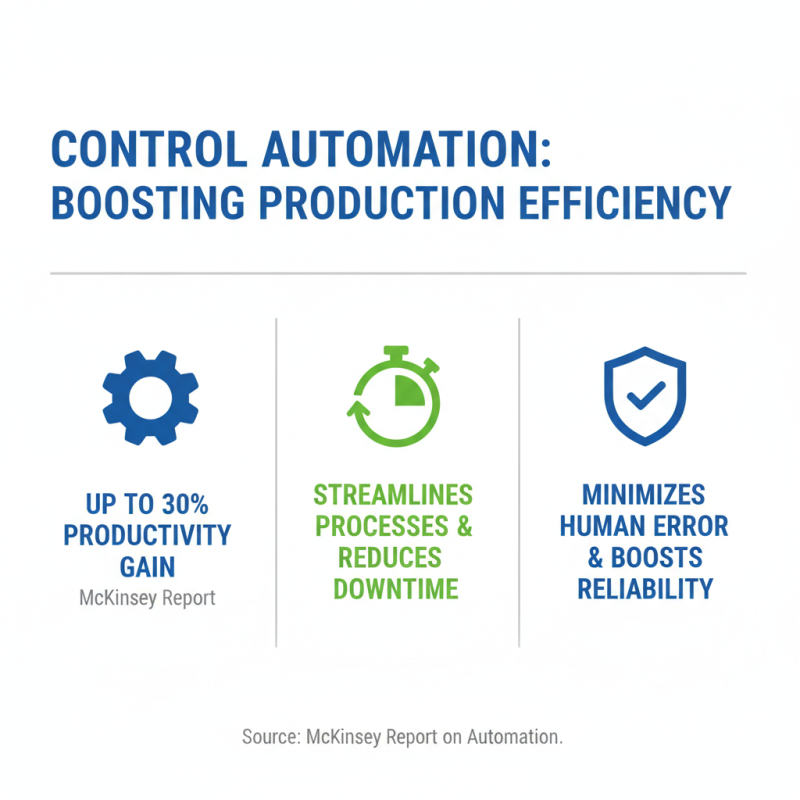
Control automation plays a vital role in enhancing production efficiency across various industries. According to a McKinsey report, companies implementing automation can see productivity gains of up to 20-30%. This improvement significantly boosts operational efficiency, enabling businesses to meet growing consumer demands. The integration of automation tools streamlines processes, reduces downtime, and minimizes human error, which is pivotal in sectors like manufacturing and logistics.
Investing in control automation is not without challenges. Many companies face resistance from employees fearing job loss. Moreover, integration costs can be substantial, requiring careful consideration and planning. Yet, the rewards can outweigh the initial risks. A study by the World Economic Forum indicated that industries adopting automation reported a fifteen percent increase in profit margins over five years. This data highlights the long-term benefits outweighing the fear of change.
Moreover, control automation ensures consistency in product quality. A survey by the International Society of Automation found that 70% of companies noted improved product reliability after implementing automated controls. However, organizations must continuously assess their systems to adapt to rapidly changing technologies. The evolving nature of automation requires a commitment to ongoing education and training. The balance between technology and human oversight remains crucial for sustainable growth.
Key Technologies Driving Control Automation in Modern Industries
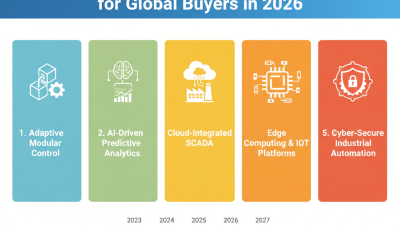
Control automation has seen a surge in adoption across various industries, significantly enhancing efficiency and productivity. Key technologies driving this transformation include artificial intelligence, machine learning, and the Internet of Things (IoT). According to a market analysis report, the global industrial automation market is projected to reach $300 billion by 2026, reflecting a compound annual growth rate of over 9%. This immense growth is driven by companies seeking to optimize operations and reduce costs.
AI and machine learning are revolutionizing how industries manage processes. These technologies can analyze vast amounts of data in real time, enabling predictive maintenance. For instance, a McKinsey report found that predictive maintenance can reduce maintenance costs by up to 25% and reduce unplanned downtime by 50%. However, integrating AI systems can pose challenges, such as the need for skilled personnel and data security concerns, which organizations must address.
The IoT connects devices and systems, leading to smarter factories. A recent study indicated that IoT implementation can lead to productivity improvements of 30% or more. This connectivity allows for real-time monitoring and control, helping to identify inefficiencies quickly. Yet, the reliance on interconnected devices raises questions about cybersecurity and data privacy. Industries must remain vigilant and adapt to these challenges as they embrace control automation.
Impact of Control Automation on Workforce Dynamics and Skill Requirements
The rise of control automation significantly shifts workforce dynamics. As industries adopt advanced systems, employees face new skill demands. Workers must adapt to operate sophisticated machines efficiently. Traditional roles may become obsolete, leading to uncertainty. It’s crucial to provide retraining programs that equip workers with necessary digital skills.
Automation isn't just about technology; it also alters team interaction. Employees may find themselves collaborating with AI. This creates a hybrid work environment, blending human creativity with machine accuracy. Some workers might feel threatened by these changes. They may worry about job security and their place in the workforce. Open conversations are essential to address these fears.
Yet, embracing control automation can lead to opportunities for growth. New job roles will emerge, focusing on management, analysis, and innovation. Workers who invest in continuous learning can thrive in this transformed landscape. Companies need to foster a culture of adaptability. Not all industries will adapt equally; some may struggle. It’s imperative to monitor these changes and take proactive steps.
Challenges and Solutions in Implementing Control Automation
Implementing control automation in industries is crucial yet challenging. Many companies face hurdles such as high initial costs, lack of skilled personnel, and resistance to change. According to a recent report by McKinsey, 66% of executives acknowledge difficulties in integrating automation into existing workflows. This statistic highlights a significant gap between ambition and reality.
Training staff can be a daunting task. Over 40% of organizations struggle to develop the necessary expertise for automation technologies. Continuous education and hands-on training are vital in bridging this skills gap. Investing in workshops and online courses can enhance the workforce's competence.
Tip: Prioritize partnerships with educational institutions to create tailored training programs.
Another challenge is the integration of legacy systems. Many industries rely on outdated technology, making automation complex. A robust strategy is required to modernize these systems without disrupting current operations. Collaborating with experts can provide insights into gradual upgrades.
Tip: Conduct a thorough assessment of existing processes before automating.
Addressing these challenges leads to significant rewards. Successful implementation of control automation can improve productivity by up to 30% and reduce operational costs. Yet, industries must be prepared for a journey filled with obstacles and learning opportunities.
Future Trends in Control Automation and Industry Adaptation
Control automation is shaping the future of industries. As businesses turn to smarter solutions, adaptation is crucial. The integration of advanced systems ensures efficiency and reliability in processes. However, businesses must navigate challenges during this transition. Poor implementation can lead to inefficiencies and heightened operational risks.
Reliable data collection plays a vital role in this evolution. Industries that leverage real-time data can make informed decisions quickly. It’s essential to train staff adequately to handle these sophisticated systems. Not all employees adapt at the same pace. Continuous education fosters a culture of innovation and resilience.
Moreover, sustainability is becoming a focal point in control automation. Many industries are evaluating how automation can help reduce waste. Innovations often come with growing pains. Testing new technologies can reveal both weaknesses and strengths. Companies that embrace a culture of reflection can refine their strategies for better results.