How to Choose Industrial Automation Software in 2026?
Choosing industrial automation software in 2026 requires more than comparing feature lists or vendor rankings. The right platform must fit your machines, workforce, production goals, and risk controls. A food processing plant may need strict traceability, while a metal factory may prioritize cycle-time visibility and predictive maintenance. Those differences matter.
Start with the production floor. Can the software connect with PLCs, sensors, robots, historians, and existing ERP systems? Check real integration records, not only sales demonstrations. Ask vendors to show alarm handling, batch reporting, user permissions, and recovery after network failure. A ten-minute outage can reveal more than a polished presentation. Security updates, audit logs, data ownership, and support response times also deserve careful review. These details often determine long-term reliability.
Do not assume the newest platform is automatically the best choice. Newer tools may offer powerful analytics, but they can require scarce technical skills or expensive customization. An experienced engineering team should test a limited deployment before approving a plant-wide rollout. Measure downtime, operator adoption, deployment effort, and maintenance workload. Be honest about weak results. A pilot that exposes poor connectivity is still useful evidence. Independent standards, documented case studies, and transparent pricing can strengthen the decision, but no source replaces direct testing. The strongest choice is practical, secure, scalable, and understandable to the people who will use it every day. That balance is difficult. It is also the point.
What Industrial Automation Software Does and Why It Matters in 2026
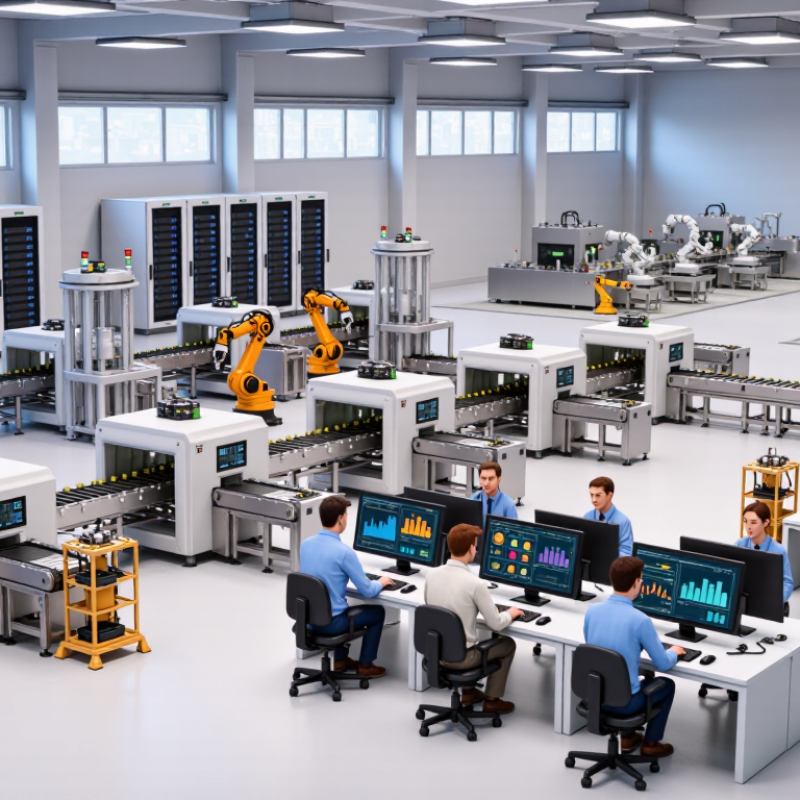
Industrial automation software connects machines, sensors, operators, and business systems inside one operational view. It collects production data, identifies abnormal patterns, and triggers approved responses. On a factory floor, that may mean slowing a conveyor when vibration rises or alerting maintenance before a motor fails. Operators still make critical decisions.
In 2026, this role matters because plants face tighter energy targets, aging equipment, labor shortages, and more connected devices. More connections create more exposure. During system evaluations, I look beyond attractive dashboards. Can technicians configure an alarm without writing code? Can engineers trace a temperature reading from the sensor to the final report? Reliable software should support open data exchange, role-based access, version control, and clear audit trails. Those details sound ordinary. They decide whether a night-shift operator can respond safely at 2 a.m. Testing matters too: simulate a failed sensor, delayed network, and incorrect value before production use.
Choose software that fits the process, not software that forces the process to change overnight. Check installation effort, training time, update policies, recovery procedures, and total operating cost. A pilot on one production cell can reveal hidden friction, such as duplicate data entry or confusing alarm priorities. I once underestimated migration work because the interface looked simple. That mistake was expensive in time, not just money. Human judgment remains essential. Automation should reduce repetitive strain while keeping decisions explainable to supervisors and auditors. Ask for measurable evidence from comparable operating conditions, then challenge the assumptions.
How to Define Your Automation Requirements and Selection Criteria
Choosing industrial automation software in 2026 starts with defining the work, not reviewing a feature checklist.
Observe each process on the plant floor for several shifts. Record cycle times, changeover delays, operator decisions, alarms, and data gaps. Speak with operators, maintenance technicians, controls engineers, and safety managers. Their daily experience often reveals requirements that spreadsheets miss. Define measurable goals, such as reducing manual entries by 40 percent or cutting unplanned stops by 15 percent. Keep one requirement visibly human: the system must remain understandable during a night-shift fault.
Rank selection criteria as mandatory, preferred, or negotiable. Mandatory items may include protocol compatibility, role-based access, audit trails, offline recovery, and clear alarm history. Test these requirements with real production data, not a polished demonstration. Ask how the software handles a failed network switch, a changed sensor tag, or a brief power interruption. Estimate licensing, training, upgrades, support, and internal engineering time. A low purchase price can hide expensive configuration work. Verify security documentation and service commitments through an independent technical review.
Run a limited pilot on one representative line.
Measure setup time, operator errors, response time, and maintenance effort. Let the night shift test it. Real conditions matter.
Our first estimate was wrong because we ignored retraining time. That mistake changed the scoring model.
Keep evidence beside every score, including screenshots, test logs, and unresolved questions. A reliable selection process explains why each requirement matters and identifies the risks that still need attention.
Which Software Capabilities to Compare Across Platforms
Choosing industrial automation software in 2026 requires more than comparing dashboards. I compare capabilities against real factory conditions: intermittent connectivity, aging controllers, noisy sensors, and rushed maintenance shifts. A perfect demo can mislead.
Interoperability deserves careful testing. Ask whether the platform supports OPC UA, MQTT, REST APIs, and ISA-95 information models. Test one live data path, not a slide presentation. The International Society of Automation identifies ISA-95 as a framework for integrating enterprise and control systems.
Security also needs practical evidence. Check role-based access, multifactor authentication, patch processes, network segmentation, and immutable audit trails. The International Electrotechnical Commission’s IEC 62443 series provides a recognized basis for industrial cybersecurity requirements.
Operational intelligence should be measurable. Compare historian performance, alarm management, event timestamps, edge processing, offline buffering, and root-cause analysis. A five-second delay may be harmless for production reporting but dangerous for a fast process.
Energy functions matter too. The International Energy Agency reported that industry used about 37% of global final energy in 2022, making reliable energy monitoring a serious selection criterion. Evaluate dashboards by asking whether operators can find abnormal consumption during a night shift.
User permissions, workflow design, and mobile access often receive less attention than analytics. That is a mistake.
Total cost should include integration, training, upgrades, data storage, and specialist support. I still allow a pilot to fail. It exposes hidden assumptions before they become expensive commitments.
How to Evaluate Integration, Security, Scalability, and Usability
How to Choose Industrial Automation Software in 2026?
Integration should be tested on the factory floor, not only in a sales demonstration. Check support for existing controllers, sensors, databases, and communication protocols. Ask how the system handles missing values, delayed signals, and duplicate timestamps. A practical pilot should connect one production line and record real machine data. Confirm that data remains accessible through documented interfaces. Vague answers here can create expensive work later.
Security needs evidence, not reassuring language. Review multi-factor authentication, role-based access, network separation, encryption, audit logs, and patch procedures. Ask who can change control logic and how those changes are approved. Test backup restoration, because an untested backup offers little comfort. Scalability also deserves measurement. Run realistic workloads with more devices, users, alarms, and historical data. Watch response times during shift changes and reporting peaks. A system may scale in theory, yet struggle under ordinary plant pressure.
Usability is visible in small moments. Can an operator find a failed sensor within three clicks? Are alarm messages specific enough to guide a safe response? Let maintenance technicians and supervisors complete common tasks without vendor assistance. Their confusion is valuable evidence. I have seen technically strong platforms rejected because screens felt crowded and training took too long. That judgment may seem subjective, but repeated user errors become measurable costs. A short trial is useful, though it can still hide problems that appear after months of updates. Ask for references from facilities with similar equipment and operating conditions.
How to Choose Industrial Automation Software in 2026?
Recommended evaluation weighting for integration, security, scalability, and usability
This evaluation model prioritizes integration because industrial platforms must connect reliably with PLCs, SCADA systems, MES, ERP platforms, sensors, and modern industrial protocols. Security and scalability receive equal weighting to reflect the importance of protecting operational technology and supporting future expansion. Usability remains essential for reducing training time and improving day-to-day adoption.
How to Assess Vendors, Costs, Implementation, and Long-Term Value
Choosing industrial automation software in 2026 requires more than comparing feature lists. Assess the vendor’s real industrial experience, not just polished demonstrations. Ask for customer references from plants with similar equipment, production volumes, and safety requirements. Request evidence of deployment results, support response times, and system uptime. A confident vendor should explain limitations clearly.
Calculate the full cost before approval. Include licenses, sensors, integration work, training, data migration, maintenance, and future upgrades. A low purchase price can become expensive after custom engineering begins. Build a five-year cost model. Then test it against a small production cell. Measure installation hours, operator errors, reporting speed, and downtime. Keep the results visible.
Implementation quality often decides the outcome. Require a phased plan with named responsibilities, backup procedures, and measurable acceptance criteria. Involve operators early; they notice practical problems that technical teams may miss. I have seen projects underestimate training and overestimate clean data. That mistake is common. Long-term value depends on flexibility, cybersecurity practices, documentation, and available technical support. Check whether the software can connect with existing controls and future equipment without repeated redesign. Also review contract terms for data access, export options, and upgrade control. A platform that works today may still create friction five years later. Test that future before signing.