
A well does not drill through uniform rock. It crosses changing formations, pressure zones, and layers that can react with water. Drilling Chemicals help operators manage these conditions by shaping fluid density, controlling filtration, reducing friction, and supporting the borehole wall. Their effects show up in practical details: stable cuttings at the shale shaker, smoother circulation through the drill string, and fewer delays caused by unstable formations.
Dr. M. E. Chenevert’s published research on shale stability offers a useful technical lens. A careful paraphrase of its relevance—not a verbatim quotation—is: “The drilling fluid must be designed for the rock it meets, not just the hole it fills.” That distinction matters. A fluid that performs well in one formation may cause swelling, dispersion, or poor hole cleaning in another. No chemical is a magic fix.
The right formulation depends on well data, laboratory testing, field observations, and regular fluid monitoring. Engineers track measurements such as density, viscosity, and fluid loss, then adjust treatment as conditions change. Small changes can matter. An unexpected rise in viscosity, for example, may signal changing solids content or a need to review the fluid program. Chemical selection also involves trade-offs among performance, handling, environmental conditions, and cost. Results are not automatic; they depend on sound design and careful execution. Understanding these functions explains why Drilling Chemicals are central to safe, efficient, and reliable oil and gas drilling.
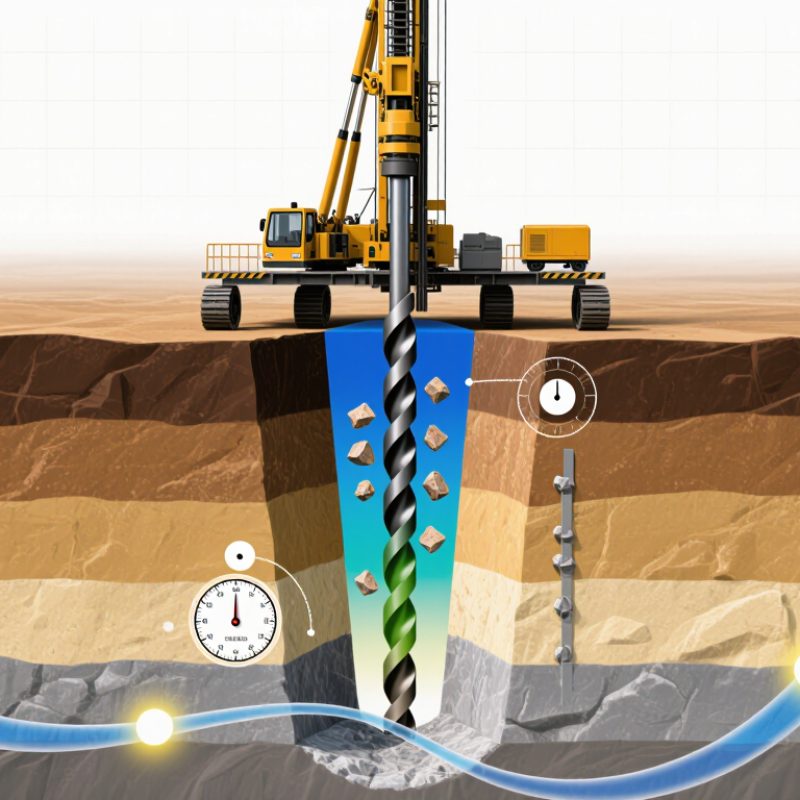
Drilling chemicals are ingredients in a circulating fluid, not a single product. Water, clay, polymers, salts, and weighting minerals are blended to match the rock and well conditions. The fluid carries cuttings up the annulus, cools the bit, and helps control pressure. Small doses matter. Viscosifiers help suspend cuttings when pumps stop; filtration-control additives form a thin cake on the borehole wall, limiting fluid loss. The API’s Recommended Practice 13B-1 sets field tests for properties such as density, rheology, and filtration, helping crews check whether the mud is behaving as intended.
The chemistry shifts as the well deepens. A heavier fluid may help balance formation pressure, while a thinner fluid can reduce pumping resistance. EPA’s 2016 assessment catalogued 1,606 chemicals reported in hydraulic-fracturing fluids from 2005 to 2013. That figure concerns fracturing fluids, not Drilling Muds, and should not be treated as a count of drilling additives. That distinction matters. In practice, drilled solids, temperature, and water chemistry can change fluid performance faster than a tidy formula suggests. Even routine measurements need interpretation: a reading may look acceptable while cuttings still settle in a quiet section of the hole.
Drilling fluid does more than carry cuttings to the surface. Its chemistry helps control pressure, cool the bit, and keep the borehole stable. Different formations demand different properties, so operators adjust the fluid as conditions change. Small changes matter. A thicker fluid may lift rock fragments effectively but increase pumping resistance.
Viscosifiers, such as bentonite clay and certain polymers, help suspend cuttings when circulation slows. Weighting agents, commonly barite, raise fluid density to counter formation pressure. Fluid-loss additives form a thin filter cake on permeable rock, limiting fluid invasion. Shale inhibitors reduce water uptake and help reactive clays stay intact. Lubricants can lower friction between the drill string and the borehole wall.
Other additives manage pH, foam, or corrosion, depending on the fluid system and site conditions. Crews track properties such as density, viscosity, and fluid loss through routine testing. A reading is useful, but it never tells the whole story. Formulations involve trade-offs: an additive that improves one property can complicate another. Selection also considers temperature, rock type, waste handling, and exposure controls. No blend is universal.
Drilling fluids do more than lubricate a bit. Their chemical blends help carry rock cuttings to the surface, control well pressure, and keep the borehole stable. For example, polymers can help suspend fine solids, while weighting agents increase fluid density. The right formulation depends on geology, temperature, and pressure. Small changes matter.
API Recommended Practice 13B-1 standardizes field tests for water-based drilling fluids, including density, viscosity, filtration, and pH. These checks help crews adjust fluid properties as conditions change. Poorly managed fluid can contribute to stuck pipe, lost circulation, or an unstable hole. EPA’s 2001 Final Effluent Limitations Guidelines set a 6.9% oil-on-cuttings limit for synthetic-based drilling fluids discharged offshore. This figure highlights why fluid performance and cuttings management both matter. Field readings can lag behind changing downhole conditions, so no mud program is perfect.
Tips: Check fluid density and viscosity regularly. Watch the returns for unexpected changes. Keep a record of each adjustment.
Why Are Drilling Chemicals Important for Oil and Gas?
Their Role in Equipment Protection and Operational Efficiency
Drilling chemicals help control fluid density, viscosity, filtration, and shale stability. Those properties affect how well cuttings travel up the annulus and how much abrasive material reaches pumps and surface equipment. A well-conditioned fluid can reduce plugging, excess wear, and unplanned maintenance. It is not a cure-all. Poor solids control or incorrect mixing can undermine the chemistry.
The U.S. Energy Information Administration’s Drilling Productivity Report tracks new-well oil production per rig across seven regions. It does not isolate chemical effects, but it shows why operators monitor efficiency alongside geology and drilling practices. API Recommended Practice 13B-1 also sets field tests for properties such as density, rheology, and filtration. Regular checks give crews practical warning signs: rising pump pressure, thicker fluid, or a filter cake that becomes difficult to remove. Small changes matter. Still, test results need context; a reading alone cannot explain every equipment problem.
Tips: Check fluid properties at consistent intervals, record trends, and compare them with pump pressure and solids-control performance. Follow the fluid program, but question it when field conditions change. A useful chemical plan protects equipment only when crews measure, adjust, and document it.
| Chemical Category | Typical Examples | Primary Function | Equipment Protection Role | Operational Efficiency Benefit | Key Operational Consideration |
|---|---|---|---|---|---|
| Viscosifiers | Bentonite and water-soluble polymers | Increase drilling-fluid viscosity and help suspend and transport drilled cuttings. | Support effective hole cleaning, which can help reduce cuttings accumulation around the drill string and downhole tools. | Improve cuttings transport and help maintain a cleaner wellbore. | Concentration and fluid properties need monitoring because excessive viscosity can increase pumping pressure and equivalent circulating density. |
| Fluid-loss control agents | Starch, cellulose derivatives, and other filtration-control polymers | Reduce liquid loss from the drilling fluid into permeable formations and help form a filter cake on the borehole wall. | A suitable filter cake can help limit formation-fluid invasion and reduce differential sticking risk in appropriate conditions. | Help preserve drilling-fluid properties and support wellbore stability. | Performance depends on the fluid system, temperature, salinity, and formation characteristics. |
| Weighting agents | Barite and other approved weighting materials | Increase drilling-fluid density to provide hydrostatic pressure in the well. | Help maintain pressure control and reduce the risk of an uncontrolled influx when correctly designed and managed. | Support safe drilling across formations with varying pore pressures. | Density must be balanced against fracture pressure; excessive density can contribute to losses or formation damage. |
| Shale inhibitors | Potassium salts, glycols, and selected polymer inhibitors | Limit water-sensitive shale hydration, dispersion, or swelling, depending on the formulation and formation. | Help reduce wellbore instability and associated cuttings buildup or stuck-pipe exposure. | Can improve hole condition and reduce interruptions for cleaning or remedial work. | The inhibitor system should be selected for the formation and compatible with the rest of the drilling fluid. |
| Lubricants | Water-based or synthetic lubricating additives | Reduce friction between the drill string and the wellbore or casing. | Can reduce friction-related wear and torque loads on the drill string and associated equipment. | May improve torque-and-drag performance and help drilling proceed more smoothly. | Compatibility, environmental requirements, and effects on fluid properties should be evaluated before use. |
| Corrosion-control additives | Corrosion inhibitors and oxygen scavengers, where appropriate | Reduce corrosion under specified fluid and operating conditions; oxygen scavengers address dissolved oxygen in suitable systems. | Help protect susceptible metallic components from corrosion-related damage when correctly selected and monitored. | Can help reduce corrosion-related maintenance and equipment downtime. | Effectiveness depends on chemistry, oxygen exposure, temperature, salinity, and metallurgy; corrosion monitoring remains important. |
| Biocides | Biocides approved for the specific fluid system | Control microorganisms that may degrade polymers or contribute to undesirable fluid changes in susceptible systems. | Help preserve fluid-system performance and reduce problems associated with microbial activity. | Can extend the useful performance of water-based fluids when microbial growth is present. | Use only as permitted by applicable safety and environmental requirements, following product handling instructions. |
| Lost-circulation materials | Fibrous, granular, or flake materials selected for the loss zone | Help bridge or seal openings through which drilling fluid is being lost to the formation. | By limiting fluid losses, they can help maintain circulation and reduce exposure of equipment to loss-related operating problems. | May reduce nonproductive time associated with treating circulation losses. | Material size and type should suit the loss mechanism and be compatible with pumps, screens, and other solids-control equipment. |
Drilling chemicals help control fluid thickness, stabilize the borehole, and carry rock cuttings to the surface. Their benefits must be weighed against worker exposure and environmental effects. A chemical that performs well in a laboratory may behave differently in hot, salty, or changing field conditions.
Selection should begin with a clear review of each ingredient’s hazards, handling requirements, and likely exposure routes. Crews need accessible safety information, suitable protective equipment, and closed transfer systems where practical. Even a small splash can matter. Spills near drains or soil require prompt containment, not guesswork. Storage areas should also separate incompatible materials and protect containers from damage.
Environmental review should consider how a chemical breaks down, whether it can persist in water or sediment, and how used drilling fluids will be managed. Testing under realistic conditions can reveal problems that a product sheet may not show. Still, field data is rarely perfect. Conditions vary, and monitoring can miss short-lived releases. That uncertainty deserves attention, not dismissal. Teams can reduce risk by using only the amount needed, tracking fluid losses, and revisiting chemical choices when operating conditions change.
| Cookie | Duration | Description |
|---|---|---|
| cookielawinfo-checkbox-analytics | 11 months | This cookie is set by GDPR Cookie Consent plugin. The cookie is used to store the user consent for the cookies in the category "Analytics". |
| cookielawinfo-checkbox-functional | 11 months | The cookie is set by GDPR cookie consent to record the user consent for the cookies in the category "Functional". |
| cookielawinfo-checkbox-necessary | 11 months | This cookie is set by GDPR Cookie Consent plugin. The cookies is used to store the user consent for the cookies in the category "Necessary". |
| cookielawinfo-checkbox-others | 11 months | This cookie is set by GDPR Cookie Consent plugin. The cookie is used to store the user consent for the cookies in the category "Other. |
| cookielawinfo-checkbox-performance | 11 months | This cookie is set by GDPR Cookie Consent plugin. The cookie is used to store the user consent for the cookies in the category "Performance". |
| viewed_cookie_policy | 11 months | The cookie is set by the GDPR Cookie Consent plugin and is used to store whether or not user has consented to the use of cookies. It does not store any personal data. |