Top Trends in Material Handling Automation in China Explained?
The landscape of material handling automation in China is evolving rapidly. Recent reports indicate that the automation market is projected to reach a value of $10 billion by 2025. Key players in the industry are adopting advanced technologies to enhance efficiency and reduce labor costs. As noted by Dr. Liu Wei, a prominent expert in the field, "Automation is not just a trend; it is the future of material handling." His insights reflect the growing need for businesses to embrace these changes.
However, challenges persist in this transition. While many companies are investing heavily in automation, some struggle with implementation. Issues such as workforce training and integration of new systems can create obstacles. On the other hand, businesses that succeed in overcoming these hurdles often witness remarkable improvements in their operations. Balancing investment with practical execution remains a critical factor.
Still, the potential benefits are immense. By leveraging material handling automation, companies can improve accuracy and speed. This enhances overall productivity and meets the increasing demands of a competitive market. As the industry progresses, continuous reflection on these challenges will be essential for sustained growth.
Emerging Technologies in Material Handling Automation in China
In recent years, material handling automation in China has seen significant advancements.
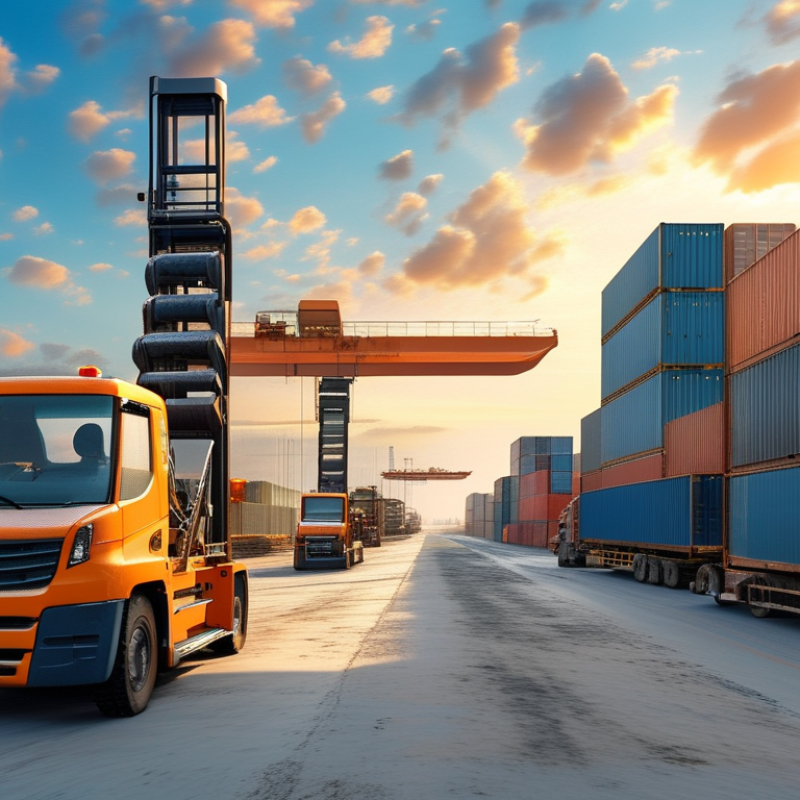
Automated guided vehicles (AGVs) are leading this transformation. These vehicles streamline warehouse operations by transporting goods efficiently.
They reduce labor costs and enhance safety. However, not all companies have adopted this technology seamlessly.
A notable trend is the integration of artificial intelligence (AI).
AI enhances decision-making in logistics. It predicts demand and optimizes inventory levels.
However, relying too much on AI can lead to challenges. Algorithms can make errors if data is flawed.
This highlights the need for human oversight in automated processes.
Another emerging technology is the use of robotics in warehouses.
Robots can pick, sort, and package items with precision. They work alongside human workers,
increasing overall productivity. Yet, implementing these systems can be costly and complex.
Many businesses struggle with the integration process, questioning if the ROI justifies the investment.
As technology evolves, ongoing education and training in automation will be essential for success.
Key Drivers of Automation Adoption in Chinese Industries
In recent years, automation has gained momentum in Chinese industries, revolutionizing material handling processes. One key driver is the growing demand for efficiency. Companies are seeking ways to reduce operational costs and improve productivity. As labor costs rise, automation offers a solution. This shift allows businesses to optimize workflows and minimize human errors.
Another factor influencing automation adoption is technological advancements. Innovations in robotics and software systems enable seamless integration into existing operations. With tools featuring real-time tracking and data analysis, businesses can better manage inventory and logistics. These advancements create opportunities for increased flexibility and responsiveness in supply chains.
Tips for successful automation include assessing specific needs before implementation. Customizing solutions to fit unique workflows is essential. Additionally, employee training should not be overlooked. Workers must understand new technologies to maximize efficiency. Continuous monitoring and evaluation of automated systems can highlight areas needing improvement, ensuring companies remain competitive in a rapidly evolving market.
Impact of Robotics on Material Handling Efficiency
The impact of robotics on material handling efficiency in China is transformative. Automated systems now streamline processes. Robots assist in picking, packing, and sorting, reducing reliance on manual labor. This shift allows businesses to increase output while maintaining safety.
Many warehouses now use autonomous mobile robots (AMRs) to transport goods. These robots navigate complex environments, optimizing movement. They can work around the clock, handling repetitive tasks and minimizing human error. However, this reliance on technology raises questions about workforce displacement and the need for reskilling.
The integration of robotics is not without challenges. Initial investment costs can be high. Companies may struggle to adapt existing infrastructure. While efficiency improves, organizations must ensure they address potential worker concerns and operational hurdles. Balancing innovation with human factors is crucial for sustainable growth in the material handling sector.
Impact of Robotics on Material Handling Efficiency
This chart illustrates the impact of different material handling methods on efficiency, highlighting the significant improvements brought by robotic automation compared to manual and traditional systems.
Trends in Autonomous Vehicles for Warehousing Solutions
As automation continues its rapid rise in the Chinese warehousing sector, autonomous vehicles play a crucial role. These vehicles have been shown to enhance efficiency significantly. According to a 2022 report by the China Logistics and Purchasing Federation, the adoption rate of autonomous vehicles in warehouses has surged by 35% in the past year. This indicates a shift towards more tech-driven logistics solutions.
Autonomous robots, equipped with advanced sensors and machine learning, are transforming material handling. They can navigate complex environments, reducing the risk of accidents. Industry experts estimate that these vehicles can operate with 90% accuracy in real-time task execution. However, integrating these systems effectively presents challenges, such as the need for substantial workforce retraining. The transition can be a double-edged sword; while it improves productivity, it demands adaptation from current employees.
Surprisingly, not all operations fully embrace autonomy. Some managers express concerns about reliability and maintenance costs. A recent survey revealed that 40% of businesses hesitate to invest in autonomous technology, citing these challenges. As businesses weigh the pros and cons, it becomes evident that the path to automation in China’s warehouses is complex and requires careful consideration and ongoing evaluation of best practices.
Top Trends in Material Handling Automation in China Explained - Trends in Autonomous Vehicles for Warehousing Solutions
| Trend |
Description |
Impact on Industry |
Expected Growth Rate (%) |
| Increased Use of Autonomous Vehicles |
More warehouses are implementing autonomous guided vehicles (AGVs) to optimize logistics and reduce manpower costs. |
Improved efficiency and reduced operational costs in warehousing operations. |
25% |
| AI-Powered Inventory Management |
Utilization of AI to improve accuracy in inventory tracking and forecasting demand. |
Enhanced decision-making capabilities leading to reduced stock-outs and overstock situations. |
20% |
| Integration of IoT Devices |
IoT devices are being integrated to provide real-time tracking and monitoring of goods and equipment. |
Increased transparency and traceability in supply chain operations. |
30% |
| Robotics in Picking Operations |
Robots are being used for picking items, significantly reducing time and human error. |
Higher productivity rates with improved accuracy in order fulfillment. |
15% |
| Collaborative Robots (Cobots) |
Cobots are working alongside humans to assist with physically demanding tasks. |
Greater safety and reduced strain on human workers. |
18% |
Future Prospects of Smart Factories and Material Handling Automation
The future of smart factories in China is increasingly tied to advancements in material handling automation. As industries strive for efficiency, the integration of automation technologies in logistics has become pivotal.
Automated Guided Vehicles (AGVs) and robotics are now commonplace in modern warehouses. These technologies not only enhance productivity but also minimize human error. However, the initial investment in such systems can be significant, leading to hesitations among smaller enterprises.
Smart factories emphasize data-driven decision-making. The use of IoT devices allows for real-time monitoring of inventory and equipment. This transparency enables swift responses to supply chain disruptions. Yet, the dependence on these technologies raises concerns about data security and potential malfunctions. Businesses must balance the benefits of automation with the risks involved.
As material handling automation evolves, there is a growing need for skilled workers who can operate complex machines and analyze data. Continuous training and development are crucial. The gap between technology and workforce skills presents a challenge. Companies must reflect on how to cultivate a talent pool that meets the demands of automated environments.