Top Tips for Choosing the Best Fingerprint Door Lock?
Choosing the right Fingerprint Door Lock can significantly enhance your home security. These locks use biometric technology to identify users, offering convenience and safety. With numerous options on the market, making an informed choice is essential.
Consider the reliability of the fingerprint door lock. Look for models with positive reviews and proven technology. A reliable lock should work consistently, even in various conditions. Also, pay attention to the speed and accuracy of fingerprint recognition. Slow or inaccurate locks may cause frustration.
Security features are equally crucial. Seek locks with durable materials and advanced encryption. These features protect against tampering and hacking. It's worth noting that not all fingerprint door locks are created equal. Some may fail under specific conditions. Therefore, understand your needs and select a lock that offers solid protection. Have you thought about how these aspects affect your peace of mind?
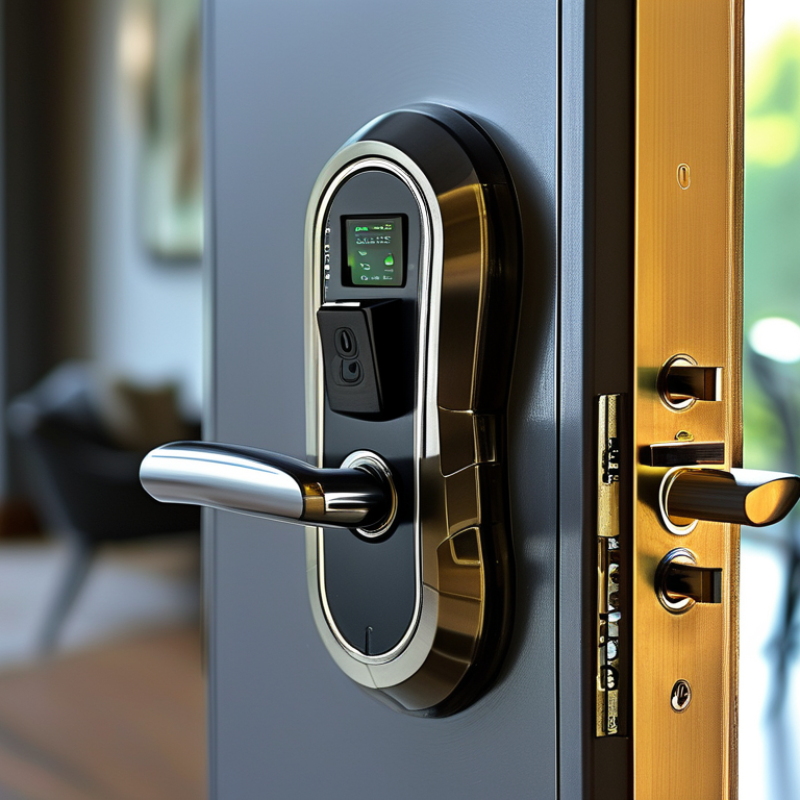
Understanding Fingerprint Door Locks: Overview and Technology
Understanding fingerprint door locks helps consumers navigate this advanced technology. These locks utilize biometric sensors to verify users based on their unique fingerprints. A recent report from the Security Industry Association indicates that biometric locks are increasing in popularity, with a projected growth rate of 23% by 2025. This highlights a shift towards technology that enhances security.
When selecting a fingerprint door lock, consider the sensor type. Optical sensors capture an image of the fingerprint. Capacitive sensors measure the fingerprint's electrical conductivity. Each type has distinct advantages. Capacitive sensors are often more accurate. However, optical sensors can be less expensive.
Consider user capacity as well. Some locks can store multiple fingerprints, accommodating family members or employees. This feature is important for residential and commercial spaces alike. Lastly, check the lock's durability. Aesthetics matter, but it’s vital for the lock to withstand environmental conditions. Balancing style and function can be tricky. Security should always be the priority.
Evaluating Security Features: Sensor Quality and Encryption Standards
When evaluating the security features of a fingerprint door lock, sensor quality is paramount. A high-quality sensor can accurately read fingerprints, ensuring that only authorized users gain access. Look for locks that utilize advanced biometric technology. Fast recognition speeds are also crucial. Delays can be frustrating, especially when you're in a hurry. A reliable sensor should be able to identify your fingerprint in less than a second.
Encryption standards play a significant role in the overall security of your door lock. Even if the fingerprint sensor is top-notch, weak encryption can leave your data vulnerable. Always check for locks that use AES encryption or similar, as they provide stronger protection for your biometric data. It is important to consider the potential weaknesses in any security system. Some locks may have outdated encryption methods, leaving them exposed to cyber threats. Understanding these risks is vital when making a choice.
Evaluating these features requires careful thought. Take the time to research different locks and read expert reviews. Look out for user feedback about sensor performance and encryption reliability. Remember, security is an evolving field. What works today may not be secure tomorrow. Constantly reassess your security measures to ensure your home remains protected.
Top Tips for Choosing the Best Fingerprint Door Lock
| Feature | Description | Rating (1-5) | Notes |
| Sensor Quality | High-resolution sensors provide better accuracy and speed in recognition. | 4 | Look for models with at least 500 dpi for better performance. |
| Encryption Standards | End-to-end encryption to protect biometric data from unauthorized access. | 5 | AES 256-bit encryption is highly recommended for security. |
| User Capacity | Number of fingerprints that can be stored for access. | 4 | Choose locks that can store at least 50 fingerprints for shared access. |
| Battery Life | Duration of use before needing battery replacement. | 3 | Opt for locks with a minimum of 1-year battery life. |
| Weather Resistance | Ability to withstand various environmental conditions. | 4 | Look for locks rated IP65 or higher for outdoor use. |
User Capacity and Access Control: Managing Multiple Fingerprints Effectively
When selecting a fingerprint door lock, managing user capacity and access control is crucial. Reports show that up to 62% of users prefer biometric systems, yet many overlook the importance of handling multiple fingerprints effectively. Each lock may accommodate a different number of users. Some advanced models can manage over 100 fingerprints, while basic models support less than 10. Ensuring the lock system aligns with your security needs is essential.
Access control goes beyond just storing fingerprints. Effective systems enable quick addition and removal of users. Some locks require complete resets when deleting a fingerprint, which can be frustrating. User management should be straightforward. For instance, a lock that allows for temporary visitor access can greatly enhance convenience.
It's vital to consider data security and the reliability of the technology. Studies indicate that biometric systems have a lower false acceptance rate compared to traditional locks. Yet, security measures must be reviewed regularly. User training is also necessary to reduce mishandling. Awareness of how to store and manage fingerprints ensures optimal usage of the fingerprint door lock.
Fingerprint Door Lock User Capacity and Access Control
Battery Life and Backup Options: Ensuring Reliability and Functionality
When selecting a fingerprint door lock, it’s crucial to consider battery life and backup options. A reliable fingerprint lock should have a long-lasting battery. Look for models that can run for at least a year without needing a replacement. Some locks indicate low battery status to alert you in advance. This feature prevents unexpected lockouts.
Additionally, consider backup options for added peace of mind. Many advanced locks offer physical keys or keypad access. This can be useful if the fingerprint sensor fails or if the battery dies unexpectedly. Some locks even have emergency power options, like using a power bank. These features enhance reliability, ensuring you never find yourself locked out of your home.
While focusing on these aspects, remember that no system is foolproof. It’s wise to test the fingerprint recognition under various conditions. Factors like dirt or moisture may hinder performance. Ensuring a lock functions well in real-life scenarios is key. This practical approach can lessen frustrations caused by security devices.
Installation and Compatibility: Choosing Locks for Various Door Types
When it comes to choosing a fingerprint door lock, installation and compatibility are crucial factors. Different doors require specific types of locks. For example, wooden, metal, and glass doors have unique features. Assessing your door type helps ensure you select the appropriate lock.
Consider the lock's dimensions and mounting requirements. A fingerprint lock needs a proper fit to work effectively. Many locks are adjustable, but not all offer the same flexibility. Make sure to read the specifications carefully. Poor fit can lead to operational issues and compromised security.
It’s also essential to evaluate the power source of the lock. Some locks use batteries, while others have a wired connection. Batteries need regular replacement. A lock with long battery life can provide peace of mind. Compatibility with your door’s existing hardware can simplify installation. If unsure, consult a professional. An incorrect choice can result in frustration and added costs.