
Choosing scaffolding equipment is a practical decision that affects daily work on construction sites. Suppliers worldwide offer systems for different projects, from compact renovation jobs to large industrial builds. The right choice depends on more than price. Buyers should compare load ratings, material quality, connection design, available components, and technical support. A platform’s fit, a locking pin’s condition, and clear assembly instructions can matter on a busy site. Details matter.
This introduction sets the context for reviewing leading scaffolding equipment suppliers across global markets. It considers product range, manufacturing capabilities, distribution, customer service, and the information companies provide about their products. Regional availability can influence delivery times and replacement-part access, while project requirements determine which system features deserve closer attention. Buyers should verify specifications and request relevant documentation rather than relying on broad marketing claims. Not every supplier serves every site equally well. Comparisons also have limits: product lines change, and service quality may vary by location. The aim is not to declare one universal winner, but to help readers assess suppliers with care and identify questions worth asking before making a purchase.
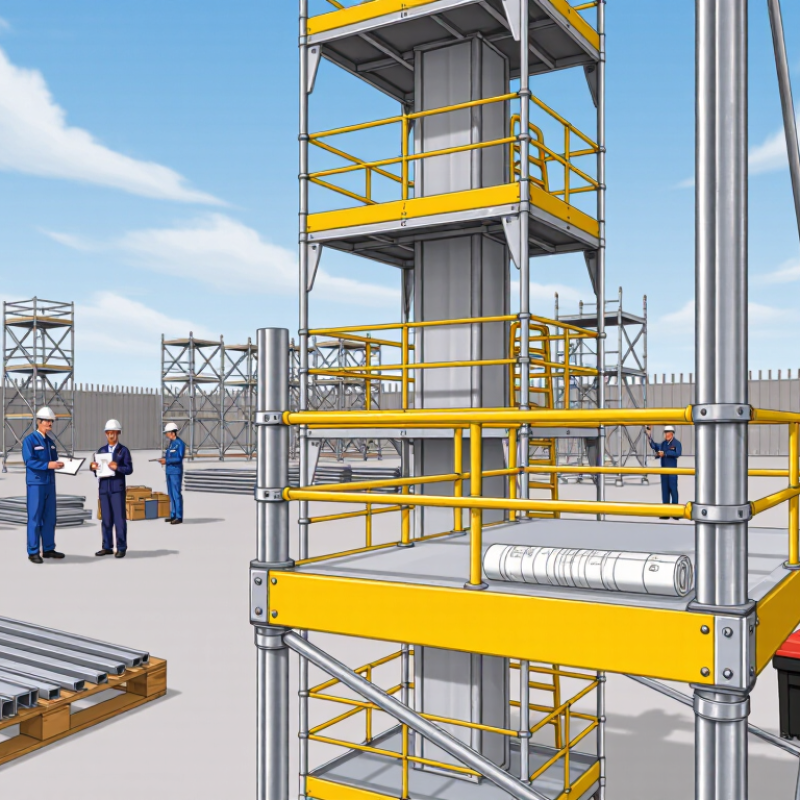
Top Scaffolding Equipment Suppliers Worldwide
Scaffolding is a temporary structure that supports workers, tools, and materials at height. Its parts include standards, ledgers, braces, platforms, and access ladders. The right setup depends on the work area, required height, load, and ground conditions. A small façade repair may need a different arrangement from a large construction site.
Common types include frame scaffolding, made from connected frames and cross-braces, and tube-and-coupler scaffolding, assembled from individual tubes and fittings. Modular system scaffolding uses purpose-built connectors for repeatable layouts. Mobile towers have wheels for movement across suitable, level surfaces. Suspended scaffolds hang from overhead supports and serve work on tall façades. Each type has limits. Fit matters.
Tips: Check component compatibility, platform condition, access, and stability before use. Follow the equipment maker’s instructions and have a competent person inspect the setup. Never improvise.
A supplier’s product range can help narrow options, but clear specifications matter more than a broad catalog. Confirm load ratings, dimensions, included components, and replacement-part availability. On site, uneven paving or a narrow passage can change the plan quickly. I’ve seen tidy drawings miss awkward access points; measure the actual work area before choosing equipment.
Top Scaffolding Equipment Suppliers Worldwide
How the Global Scaffolding Supply Market Is Organized
Global scaffolding supply is a network, not a single pipeline. Manufacturers make frames, tubes, couplers, and modular systems; distributors hold stock close to construction hubs. Rental firms add another layer, maintaining equipment and moving it between projects. Contractors then match the available system to site access, height, load, and schedule.
The market’s scale is substantial. Grand View Research’s Scaffolding Market report estimated global revenue at USD 57.4 billion in 2023 and forecast 5.8% annual growth from 2024 to 2030. These are market estimates, not audited shipment totals. The distinction matters because reports may define scaffolding products and services differently.
Steel availability also shapes supply. World Steel Association data put global crude steel production at about 1.89 billion tonnes in 2023, providing context for the material base—not a direct measure of scaffold output. In practice, local inventory and delivery timing can matter more than headline capacity. A full warehouse is not always the right warehouse. This tidy map has limits: rental, distribution, and manufacturing often overlap, so supplier roles can be hard to separate.
Leading Scaffolding Equipment Suppliers by Region
Regional suppliers often understand local work patterns better than distant distributors. In Europe, buyers may value modular systems, detailed assembly guidance, and traceable component records. Ask for load tables and inspection documents, not just a product catalogue. A tidy website proves little.
Across North America, suppliers with nearby stock and responsive technical teams can help keep projects moving. Check whether frames, braces, and platforms are compatible across the proposed system. Small mismatches matter. A brace that almost fits is still a problem.
Asia-Pacific includes varied construction markets, so supplier capabilities differ widely. Compare material specifications, sample components, and delivery timelines before placing a large order. In the Middle East, heat, dust, and long outdoor exposure can affect equipment planning; discuss finishes and maintenance needs directly. Latin American and African buyers may also weigh local service access and replacement-part availability heavily. The map is useful, but it is not neat. Regional labels cannot replace a site-specific review, and even experienced teams can overlook a missing component. Request written technical details, clarify training arrangements, and confirm who handles after-sales questions before choosing a supplier.
Regional standards provide useful procurement context when comparing scaffolding equipment suppliers. This chart shows the publication or revision year of selected regulatory references—not supplier counts or rankings.
References: Europe — EN 12811-1:2003; United States — OSHA 29 CFR 1926 Subpart L, final rule published 1996; Australia and New Zealand — AS/NZS 1576.1:2010; Canada — CSA S269.2:16. Dates identify the cited edition or rule publication year, not a measure of supplier performance.
Top scaffolding equipment suppliers offer more than frames and tubes. Their product range may include modular systems, couplers, adjustable base plates, guardrails, access ladders, and work platforms. Good suppliers provide clear load ratings and compatible components. On a busy site, even a small mismatch between a ledger and a coupler can cause delays or unsafe assembly.
Safety depends on both equipment quality and how it is selected. Ask for inspection records, material specifications, and guidance on assembly, use, and dismantling. Products should meet applicable regional standards, such as recognized scaffold design and testing requirements. Standards vary by market, so confirm which documents apply to the project. Details matter. A neat certificate alone does not show how equipment will perform on uneven ground or in strong winds.
Supplier capabilities can shape the whole job. Look for responsive technical support, reliable stock, traceable components, and practical delivery schedules. Experienced teams may help estimate quantities from drawings and explain safe loading limits. Still, estimates need checking against site conditions; plans can miss a narrow access route or a changing facade. Ask how damaged parts are handled and whether replacement components remain compatible. A supplier that answers clearly, without promising that every setup is simple, is often the more dependable choice.
Choosing a scaffolding supplier means checking more than price and delivery speed. Ask for clear load ratings, component specifications, inspection records, and traceable product documentation. Confirm that the supplier can match equipment to your site layout, ground conditions, and planned work. A tower that fits the drawing may still be awkward beside a narrow façade. Details matter.
Safety evidence should guide the decision. OSHA’s Scaffolding eTool estimates that 2.3 million construction workers use scaffolds, and that preventing scaffold-related accidents could avoid 4,500 injuries and 50 deaths each year. Ask suppliers how they verify components, communicate safe assembly procedures, and provide replacement parts. Check whether staff can explain practical limits, not just quote specifications. A polished brochure is not proof of consistent quality. Even a good checklist can miss a rushed handover.
Tips: Request a sample inspection record and confirm the stated load class. Compare lead times for both initial orders and replacement parts. Ask who handles technical questions after delivery. Note any unanswered questions; they may reveal gaps in support.
| Cookie | Duration | Description |
|---|---|---|
| cookielawinfo-checkbox-analytics | 11 months | This cookie is set by GDPR Cookie Consent plugin. The cookie is used to store the user consent for the cookies in the category "Analytics". |
| cookielawinfo-checkbox-functional | 11 months | The cookie is set by GDPR cookie consent to record the user consent for the cookies in the category "Functional". |
| cookielawinfo-checkbox-necessary | 11 months | This cookie is set by GDPR Cookie Consent plugin. The cookies is used to store the user consent for the cookies in the category "Necessary". |
| cookielawinfo-checkbox-others | 11 months | This cookie is set by GDPR Cookie Consent plugin. The cookie is used to store the user consent for the cookies in the category "Other. |
| cookielawinfo-checkbox-performance | 11 months | This cookie is set by GDPR Cookie Consent plugin. The cookie is used to store the user consent for the cookies in the category "Performance". |
| viewed_cookie_policy | 11 months | The cookie is set by the GDPR Cookie Consent plugin and is used to store whether or not user has consented to the use of cookies. It does not store any personal data. |