Top 10 Innovations in Production Automation Driving China's Industry Forward?
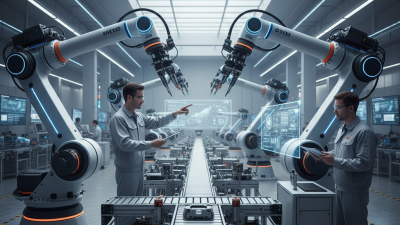
In recent years, production automation has emerged as a transformative force in China's industrial landscape. According to a report by McKinsey, the country's manufacturing sector is poised to see automation adoption rates rise by over 50% by 2025. These innovations not only enhance efficiency but also diminish labor costs significantly. The 139th Canton Fair will showcase advanced manufacturing technologies, underlining the pivotal role of automation in driving industry growth.
The introduction of AI-driven features, such as intelligent search and navigation, marks a significant leap. For instance, buyers at the upcoming Canton Fair will filter suppliers based on certifications like ISO and CE. This innovation highlights the increasing reliance on technology in supply chain management. It also suggests a need for continuous improvement as the scale of operations expands.
However, challenges persist. Many smaller enterprises struggle to implement these innovations fully. The disparity in technological readiness could widen the gap between industry leaders and laggards. As China moves forward, the focus must shift towards inclusive automation strategies that ensure all players can benefit from advancements in production automation.
Emergence of Smart Manufacturing Technologies in China
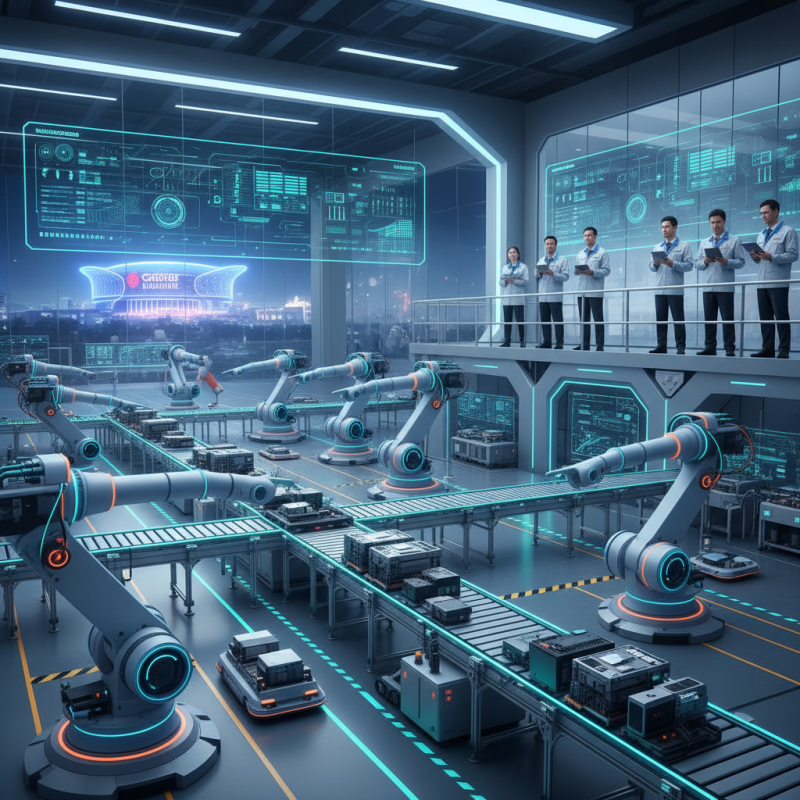
The rise of smart manufacturing technologies has reshaped China’s production landscape. In recent years, the Chinese government has invested heavily in automation. Reports indicate that investment in automation technologies rose by 30% in 2022. This push aims to improve efficiency and reduce costs across various sectors.
Robotics, AI, and IoT are at the forefront of this transformation. By 2025, it is projected that China will have over 1 million industrial robots deployed. Despite this growth, challenges remain. Many factories still rely on outdated practices. The integration of smart technologies is uneven. Some industries adapt quickly, while others struggle to keep pace.
Data from industry studies reveal that only 40% of manufacturers have fully embraced smart manufacturing solutions. This gap suggests a need for better training and resources. Moreover, cybersecurity and data management pose significant risks. As companies innovate, they must also refine their approach to security. These reflections reveal that while the path is promising, it is not without hurdles.
Top 10 Innovations in Production Automation Driving China's Industry Forward
| Innovation |
Description |
Impact on Industry |
Adoption Rate (%) |
| Industrial IoT |
Integration of Internet of Things in manufacturing processes for real-time data collection. |
Enhances productivity and reduces downtime through predictive maintenance. |
70% |
| Robotics |
Use of robots for automation of manual tasks, increasing precision and speed. |
Cuts operational costs and enhances output quality. |
65% |
| AI & Machine Learning |
Application of AI algorithms to optimize production schedules and processes. |
Improves operational efficiency and decision making. |
60% |
| Additive Manufacturing |
3D printing technologies used for rapid prototyping and production. |
Reduces waste and speeds up product development cycles. |
55% |
| Digital Twin Technology |
Creating virtual models of physical systems for simulation and analysis. |
Facilitates better product design and maintenance. |
50% |
| Cloud Computing |
Utilization of cloud services for data storage and processing in manufacturing. |
Improves scalability and accessibility of manufacturing data. |
75% |
| Blockchain Technology |
Digital ledger system to enhance transparency and traceability. |
Improves supply chain integrity and reduces fraud. |
40% |
| Augmented Reality (AR) |
Use of AR in maintenance and training for enhanced learning experiences. |
Boosts workforce productivity and reduces errors. |
30% |
| Mobile Manufacturing |
Integration of mobile technologies for enhanced workplace flexibility. |
Increases responsiveness and adaptability in production processes. |
45% |
| Collaborative Robots (Cobots) |
Robots designed to work alongside humans in a shared workspace. |
Enhances safety and productivity in manufacturing environments. |
35% |
Integration of Artificial Intelligence in Production Processes
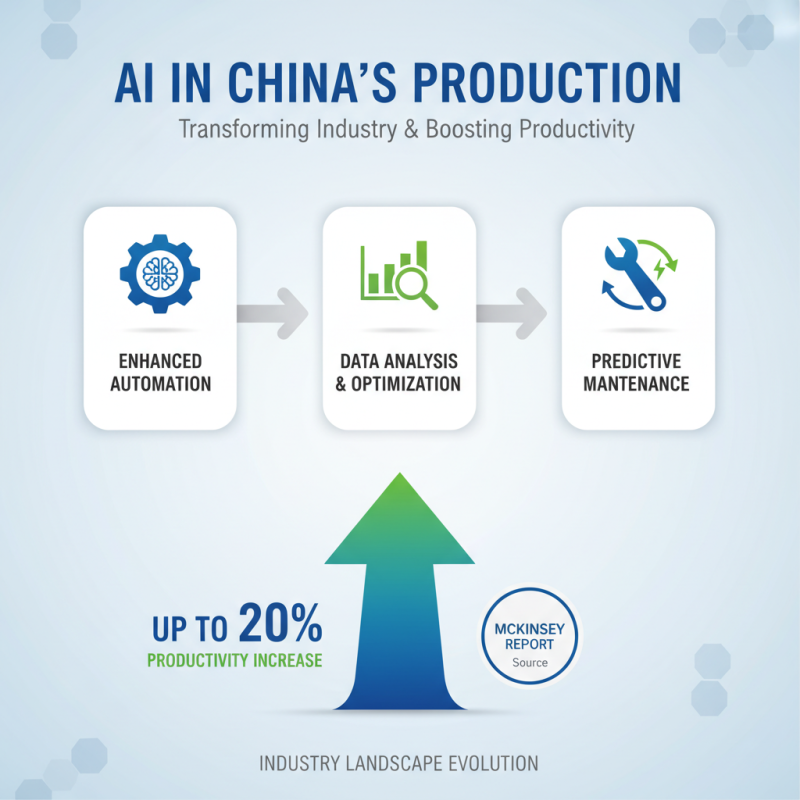
The integration of artificial intelligence (AI) in China's production processes is transforming the industry landscape. According to a recent report by McKinsey, AI can improve manufacturing productivity by up to 20% in many sectors. This surge in productivity comes from enhanced automation, data analysis, and predictive maintenance capabilities that AI provides.
For example, AI systems can analyze data from machinery in real time, predicting failures before they happen. This allows factories to minimize downtime and optimize repair schedules. The China Academy of Economic Planning also highlights that implementing AI in supply chain management can reduce operational costs by 15%. These advances support not just efficiency, but also sustainability, as businesses can better manage resources.
**Tips:** Start small. Implement AI in one area first to gauge effectiveness. Train staff to adapt to new technologies. Keep an eye on data security as more machines become interconnected. Continuous evaluation and adjustment can help refine AI applications for better results. Embrace this change, but remember that not all implementations will yield immediate gains. Reflect on potential challenges and adjust strategies as needed.
Advancements in Robotics for Automated Production Lines
Advancements in robotics have revolutionized automated production lines in recent years. Robots are more agile and efficient today. They enhance productivity by taking over repetitive tasks. This shift allows human workers to focus on complex problems. Robotics can tackle tasks that are dangerous or heavy. With improved sensors and AI, they adapt quickly to changes in production.
Despite the progress, challenges remain. Integration between robots and existing systems is not always seamless. Many factories encounter compatibility issues. Training workers to collaborate with robots can also be a hurdle. Workers may feel uncertain about their roles, leading to resistance. Addressing this requires careful planning and communication.
Moreover, the cost of advanced robotics can be a barrier for smaller companies. While these innovations promise efficiency, the initial investment can be steep. It is essential to weigh the benefits against the costs. Continuous improvement and feedback will drive better integration of robots in production. Optimizing the synergy between humans and machines is a vital focus moving forward.
Top 10 Innovations in Production Automation Driving China's Industry Forward
This chart illustrates the significant advancements in robotics for automated production lines in China, highlighting the top innovations driving industrial growth.
Impact of IoT on Real-Time Production Monitoring and Management
The IoT revolution is reshaping production automation, particularly in China.
Real-time production monitoring allows industries to keep pace with rapidly changing demands.
According to a McKinsey report, implementing IoT technologies can boost factory productivity by 20-40%.
This stat underscores the urgency of digital transformation.
IoT devices collect vast amounts of data from machines and workers. This data aids managers in making better decisions on the production floor.
For example, sensors can alert supervisors about equipment malfunctions before they lead to costly downtime. An Accenture study highlighted that
predictive maintenance can reduce operational costs by up to 30%.
However, reliance on technology poses a challenge; cyber threats can compromise productivity.
Despite these advancements, some industries lag in adopting IoT solutions. According to a Gartner research, around 70% of manufacturing firms
remain hesitant due to integration complexities. This hesitation can delay potential gains in efficiency. As companies navigate this landscape, they must figure out
how to harness data effectively while addressing security and interoperability concerns. The balance between innovation and risk
will determine the future of production automation in China.
Sustainable Practices in Automation: Green Innovations in Industry
Automation in China is evolving, driven by the need for sustainability. The manufacturing sector is particularly impacted. According to recent industry reports, nearly 70% of manufacturers are now implementing green technologies. This move significantly reduces waste and energy consumption. Innovative solutions like solar-powered machinery are gaining traction. They not only lower carbon footprints but also reduce operational costs.
Employing AI and IoT in production lines shows promise, yet challenges exist. Many companies struggle with integrating these technologies effectively. Transitioning from conventional methods to these advanced systems requires substantial investment. Moreover, training staff to operate new technologies adds complexity. As a result, while the potential is great, the execution often falters. Reports indicate that 30% of businesses face delays in these transitions. Additionally, a lack of standardized practices means progress varies widely across the industry.
Recycling materials during the production process is another promising area. Companies are working to minimize waste. A striking statistic suggests that only 40% of materials are currently recycled effectively in manufacturing. This indicates ample room for improvement. Nevertheless, pursuing such initiatives may require re-evaluating supply chains and partnerships. The path forward is fraught with both challenges and opportunities for significant advancements in sustainable automation.