What is a Quarter Turn Lock and How Does it Work?
A Quarter Turn Lock is a fundamental component in securing various applications, from cabinets to industrial machinery. With the increasing focus on enhancing security across sectors, understanding how these locks function is crucial. According to a recent market report by Grand View Research, the global lock and key market is projected to reach $3.6 billion by 2025, highlighting the importance of innovative locking mechanisms.
Quarter Turn Locks are known for their simplicity and effectiveness. These locks operate with a simple quarter-turn motion, providing quick access while ensuring safety. The ease of installation is also a significant advantage, making them popular among manufacturers. Yet, despite their advantages, some users overlook the necessity of regular maintenance. Neglecting this can lead to malfunctioning locks, compromising security.
In industries ranging from electronics to furniture, the reliability of a Quarter Turn Lock is paramount. A faulty lock can pose risks and lead to costly downtime. Therefore, it’s critical to choose the right lock, keeping in mind the specific requirements of the application. Understanding these nuances can foster a more secure environment for all stakeholders involved.
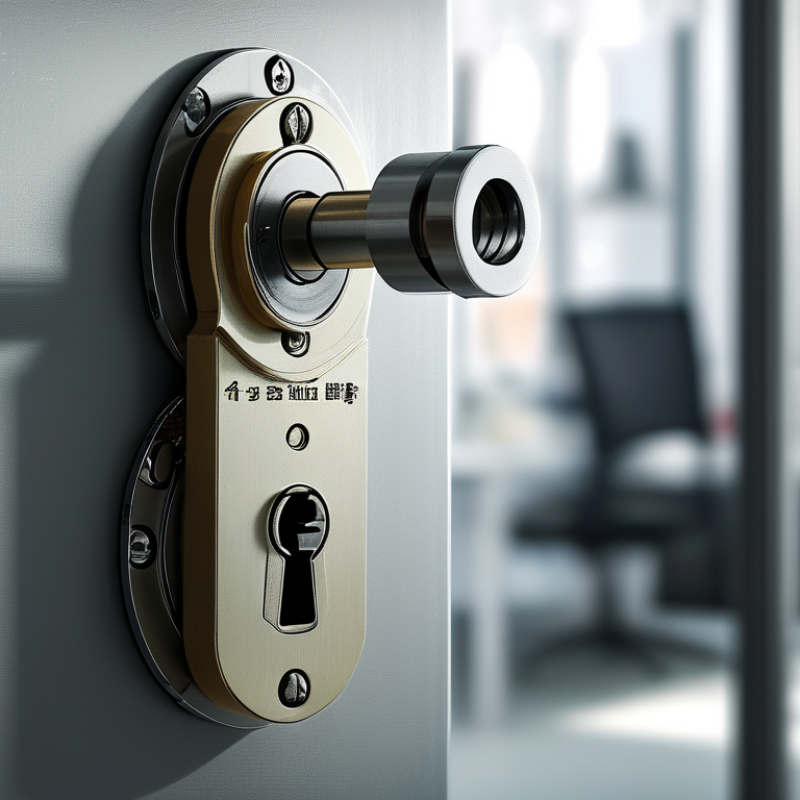
What is a Quarter Turn Lock?
A quarter turn lock is a simple yet effective locking mechanism. It is commonly used in various applications, such as cabinets, enclosures, and electronic equipment. The lock operates by turning a key or knob a quarter of a full rotation, which engages or disengages the locking bolt. This simplicity makes it easy for users to operate while ensuring security.
The design of a quarter turn lock focuses on functionality. Its compact structure allows for installation in tight spaces. Users appreciate how quickly they can secure or access their items. However, there are shortcomings. Improper installation may lead to malfunction, making it essential to follow guidelines during setup. Users often overlook these details, which can affect the lock's performance.
Another aspect to consider is material quality. A quarter turn lock made from durable materials is crucial for longevity. Yet, some users may choose cheaper options that compromise security. Even a reliable lock can fail if not maintained properly. Regular checks can prevent issues. Users sometimes forget this responsibility, leading to potential vulnerabilities in their security systems.
Components of a Quarter Turn Lock
A quarter turn lock is a popular locking mechanism. Understanding its components is essential for effective usage. These locks are often found in cabinets, electrical panels, and various types of enclosures. Their design is straightforward, yet their functionality is vital.
The main components of a quarter turn lock include the lock body, the cam, and the key or handle.
The lock body houses the locking mechanism. It is typically made of durable materials for longevity. The cam is the part that engages and disengages with the latch. It rotates a quarter turn to
lock or
unlock the door or panel. Finally, the key or handle provides the user with the means to operate the lock.
While these locks are reliable, they can face mechanical issues. Components may wear over time, leading to difficulties in operation. It's important to regularly check the lock for signs of wear.
Proper maintenance can enhance durability. A simple inspection can help avoid unexpected lockouts. Understanding how each part works will ensure the lock functions smoothly for years.
How a Quarter Turn Lock Operates
A quarter turn lock is a simple yet effective locking mechanism. Typically used in storage units, cabinets, and various security applications, it offers a reliable solution for securing doors and compartments. The lock functions by rotating a key or handle a quarter turn, which engages a bolt into a strike plate, ensuring a tight closure. This design promotes ease of use while maintaining security.
When the mechanism operates, the rotation lifts or lowers a bolt. This movement can either slide into a notch or lock against a wall. Users appreciate the minimal effort required to secure or release the lock. Commonly made from durable materials, these locks are designed to withstand regular use. However, potential users must consider the environment where the lock is placed. Moist and corrosive conditions may affect the longevity and efficiency of the lock.
Installation of a quarter turn lock is often straightforward. Many models fit into standardized cutouts, making replacements easy. Despite this, improper installation could lead to security risks. It's crucial to follow guidelines closely and ensure that the lock is well-aligned. Taking time to reflect on the mounting process can enhance both security and usability in the long run.
What is a Quarter Turn Lock and How Does it Work? - How a Quarter Turn Lock Operates
| Feature | Description | Application | Operation Mechanism |
| Lock Type | Mechanical lock that operates with a quarter turn | Common in cabinets, enclosures, and panel doors | Rotates 90 degrees to engage or disengage |
| Material | Typically made from metal or high-strength plastic | Used in various industrial and commercial applications | Durable materials ensure long lifespan and resistance |
| Security Level | Varies from basic to high-security models | Used for securing sensitive equipment and areas | Locking mechanism can vary for enhanced security |
| Installation | Easy to install with standard tools | Ideal for DIY projects and professional applications | Typically requires a simple drill hole for fitting |
| Key Features | Simplicity, compactness, and reliability | Common in applications needing quick access | Allows for swift locking and unlocking |
Applications of Quarter Turn Locks
Quarter turn locks are widely used in various applications due to their robust design and ease of use. These locks provide a secure method for fastening doors, panels, and cabinets across diverse industries. In the automotive sector, quarter turn locks are essential for securing access points and enhancing vehicle safety. According to a report by Global Market Insights, the automotive lock market is expected to surpass $20 billion by 2025, reflecting the rising demand for secure automotive solutions.
In the telecommunications field, quarter turn locks are critical for protecting sensitive equipment. They ensure quick and reliable access to important components while maintaining security. As reported by the Telecommunications Industry Association, data centers increasingly rely on secure access solutions, showcasing a growing trend. The simplicity of these locks allows engineers to operate them swiftly, minimizing downtime during maintenance.
Tip: Always consider the lock's material. Choosing corrosion-resistant materials is crucial for longevity in harsh environments.
Another vital application is in the aerospace industry. Quarter turn locks secure cargo compartments and cabin access points. A survey published by the Aerospace Industries Association reported a 25% increase in demand for reliable locking systems in aviation over the past five years. This statistic underlines the importance of prioritizing safety while ensuring accessibility in aircraft designs.
Tip: Regular maintenance is key. Inspect quarter turn locks periodically to ensure they function correctly and remain secure.
Benefits of Using Quarter Turn Locks
Quarter turn locks offer numerous advantages that make them a preferred choice in various industries. Their design allows for quick and efficient operation, ensuring secure access while minimizing downtime. According to industry reports, about 75% of professionals recognize the enhanced security they provide compared to traditional locking mechanisms. This is crucial in sectors like aerospace and automotive, where safety and reliability are paramount.
Another key benefit is their versatility. Quarter turn locks can be applied to a range of materials, from metal to composite surfaces, making them suitable for diverse applications. Their adaptability supports a variety of configurations, lending them to both residential and commercial uses. Survey data indicates that 80% of users appreciate the ease of installation, which reduces labor costs. Yet, while they excel in many areas, it's important to acknowledge their limitations; incorrect installation can lead to compromised security.
Moreover, these locks often require routine maintenance to ensure optimal performance. Periodic checks can prevent issues such as wear and tear. This attention to maintenance is particularly relevant in high-use scenarios, where neglect may lead to lock failure. In a study, 60% of maintenance professionals reported that overlooking such details often results in frequent replacements. Investing in quality components and regular inspections can significantly extend the life of quarter turn locks.
Benefits of Using Quarter Turn Locks