
A Pensioner Scooter is more than a small electric vehicle. For many older adults, it is a practical bridge between home, shops, appointments, and social life. The right model may restore confidence after reduced balance, joint pain, or tiring walks. It should not be chosen because it looks modern. Comfort, stability, control layout, battery range, and storage matter more.
Mobility consultant David H. McNaughton explains, “A scooter should support independence without pretending that every user has the same needs.” That point deserves attention. A pensioner scooter is usually designed for people who can sit upright, steer safely, and make clear decisions while travelling. It may suit someone visiting a local supermarket, crossing a park, or reaching a nearby bus stop. It may not suit every pavement, slope, doorway, or daily routine.
Small details reveal the real experience. Can the user operate the tiller with painful fingers? Does the seat turn easily? Will the battery last through a normal afternoon? Is there enough room for a walking stick or shopping bag? These questions feel ordinary. They are not.
The term “pensioner” can also be misleading. Age alone does not decide suitability. Strength, vision, reaction time, confidence, and personal surroundings matter more. A careful assessment is wiser than an impulsive purchase. Even experienced users can overlook turning space or charging access. That is where this guide begins: with practical expectations, honest limitations, and the person behind the scooter.
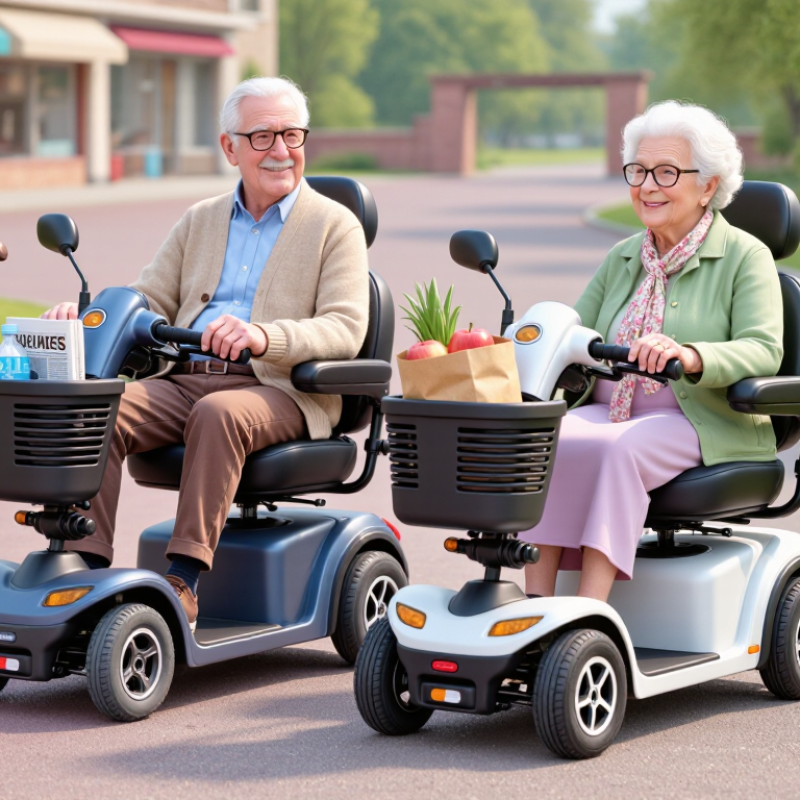
A pensioner scooter is a compact mobility vehicle designed to help older adults travel independently. It usually has a comfortable seat, handlebars, simple controls, and three or four wheels. The term “pensioner scooter” is informal, not a strict medical category. Some users are retired, while others have temporary injuries, balance concerns, or reduced walking stamina.
These scooters suit short trips, such as visiting a local shop, crossing a garden, or moving through a spacious community building. They are not automatically suitable for every older person. A professional assessment can check posture, eyesight, reaction speed, and steering ability. In my experience, comfort is often underestimated. A seat that feels fine for five minutes may become painful after thirty.
Tips: Measure doorways and storage areas before choosing a scooter. Practise turning slowly in an empty space. Keep both hands on the controls. Check the brakes, tyres, lights, and battery before each outing. Read the user instructions carefully, even if the controls look simple. Weather can change handling, too. Wet ground may increase stopping distance. A walking aid might still be better for very short indoor journeys, and that is easy to overlook.
What Is a Pensioner Scooter and Who Is It For?
Key Features and How These Scooters Work
A pensioner scooter is a battery-powered mobility aid for people who cannot walk long distances comfortably. It can support older adults, people recovering from injury, or users with long-term mobility limitations. The World Health Organization and UNICEF report that 2.5 billion people currently need at least one assistive product. That figure may exceed 3.5 billion by 2050, according to the Global Report on Assistive Technology.
Most scooters use a rechargeable battery, electric motor, tiller, and electromagnetic braking system. The rider presses a thumb control to move forward, then releases it to slow down. Speed settings help users manage narrow paths, shop aisles, and outdoor pavements. Seats often swivel, while adjustable armrests improve transfers. Some models use pneumatic tyres for softer rides. Solid tyres need less maintenance.
Small details matter. A tight turning circle helps inside a hallway, but may reduce stability outdoors. A wider seat can feel secure, yet it may make doorways difficult. Battery range also changes with rider weight, hills, temperature, and tyre pressure. No specification tells the whole story. The UK Department for Transport recommends checking real travel conditions when assessing mobility needs. In practice, users should test braking, steering, visibility, and charging access before purchase. A short trial can reveal problems that a brochure misses.
A pensioner scooter, commonly called a mobility scooter, is a battery-powered vehicle designed to help people with limited walking ability travel independently. In the UK, pavement-use scooters are limited to 4 mph, while road-capable Class 3 scooters can travel up to 8 mph on roads and must remain at 4 mph on pavements. Typical features include a supportive seat, easy-to-use handlebars, rechargeable batteries, low-speed controls, lights, mirrors, and anti-tip wheels.
A pensioner scooter is a powered mobility aid for people who struggle to walk safely or comfortably. Age alone is a poor filter. The UN World Social Report 2023 projects that one in six people worldwide will be over 65 by 2050. Many will remain active but need support for shopping, parks, clinics, or long corridors. A scooter may suit adults with arthritis, reduced stamina, balance concerns, or recovery-related weakness. It can also help people living in rural areas, where essential services may be several kilometres away.
The CDC’s Disability and Health Data System reports that about one in eight U.S. adults has a mobility disability. This figure does not mean everyone needs a scooter. A physiotherapist or occupational therapist should consider walking ability, posture, vision, hand strength, and home access. The turning circle matters in a narrow hallway. So does the surface outside. Pavements, gravel, steep ramps, and rain can expose weaknesses quickly. A scooter may increase independence, but it cannot replace safe transfer skills or suitable supervision. The fit is rarely perfect on the first try.
Tips: Measure doorways before choosing a model. Test the seat for pressure and support. Check battery range against real journeys, not advertised hopes. Practise braking and low-speed turns in an empty area. Review local road and pavement rules. Also ask whether storage, charging, and transport are realistic. Small details often decide whether the scooter is genuinely useful.
| Potential User | Typical Mobility Challenge | How a Mobility Scooter May Help | Recommended Scooter Characteristics | Important Considerations |
|---|---|---|---|---|
| Older adults with reduced walking endurance | Fatigue, discomfort, or difficulty walking longer distances | Provides seated transportation for local journeys and everyday activities | Comfortable seat, supportive backrest, simple controls, and suitable battery capacity | Users should be able to sit safely, steer, brake, and operate the controls |
| People with arthritis or joint pain | Pain or stiffness in the hips, knees, ankles, or feet | Reduces the amount of weight-bearing walking required | Adjustable tiller, easy-to-use controls, stable platform, and accessible seat height | A healthcare professional can help determine whether scooter use is appropriate |
| People recovering from an injury or operation | Temporary restrictions on walking or standing | May support short-term independence during rehabilitation | Easy mounting, steady low-speed handling, and controls that can be used without excessive reaching | Use should follow medical advice and any weight-bearing restrictions |
| People with balance or stability concerns | Difficulty remaining steady while walking | Offers a seated travel option and can reduce walking-related fall exposure | Wide wheelbase, reliable brakes, anti-tip protection, and a supportive seating position | A scooter does not replace an assessment of fall risk or balance needs |
| People living in accessible housing or retirement communities | Need to travel between rooms, buildings, or shared facilities | Can make routine movement around suitable private or community areas easier | Compact turning radius, moderate width, easy charging access, and clear controls | Check doorway widths, lift dimensions, storage space, and floor surfaces |
| People who need help with shopping and local errands | Difficulty walking through shops or carrying essential items | May extend access to nearby stores and provide space for small personal items | Basket or storage area, stable handling, comfortable range for planned trips, and a visible control panel | Confirm that the scooter is permitted in the locations the user visits |
| People who want to remain socially active | Limited mobility affecting visits, hobbies, or community participation | Can support independent travel to suitable nearby social activities | Reliable seating, lights or reflectors where appropriate, and controls suited to the user | Plan routes around safe surfaces, traffic conditions, weather, and charging availability |
| Caregivers supporting a family member | Need to improve a person's mobility while maintaining safe assistance | May reduce the physical effort required for longer outings | Clear operating instructions, secure parking brake, accessible charging point, and suitable weight capacity | The user should receive practical training and understand safe operating procedures |
| People with limited upper-body strength | Difficulty using heavy steering, levers, or manual wheelchairs | May provide powered movement with less physical pushing effort | Light-touch controls, adjustable steering column, and easy-to-operate braking system | Test the controls in person when possible; strength and dexterity vary between users |
| People who travel mainly on smooth, short-distance routes | Need for convenient movement around homes, paths, or local facilities | A compact scooter may offer practical everyday mobility for planned journeys | Small turning radius, solid stability, manageable dimensions, and adequate travel range | Check whether the model is intended for indoor use, outdoor use, or both |
Suitability depends on the user's physical abilities, local conditions, intended routes, and applicable mobility regulations. Professional assessment and practical training may be appropriate before regular use.
A pensioner scooter is a mobility aid for older adults who find walking difficult. It is not limited to people with permanent disabilities. Some users need help only during shopping trips or outdoor visits.
The World Health Organization and UNICEF reported in 2022 that more than 2.5 billion people need at least one assistive product. That figure may reach 3.5 billion by 2050.
Travel scooters Travel scooters are lightweight and often fold or separate into smaller sections. They suit car boots, railway platforms, and short indoor journeys. Their smaller batteries usually mean shorter range. That trade-off is easy to underestimate.
Three-wheel scooters Three-wheel scooters offer a tighter turning circle, which helps inside homes and narrow shop aisles. However, their stability can feel less reassuring on uneven ground.
Four-wheel scooters Four-wheel scooters provide a broader base and steadier handling outdoors. Mid-size models may suit pavements, garden paths, and longer local trips. Full-size scooters generally offer stronger suspension, larger seats, and extended battery capacity. They also need more storage space.
Grand View Research’s 2024 mobility scooter analysis projected global market growth of about 6.8% annually from 2024 to 2030. Growth does not prove every design suits every pensioner. Height, grip strength, balance, road conditions, and charging access still matter.
A practical test on a slope and tight corner often reveals more than specifications.
A pensioner scooter is a compact mobility vehicle designed for older adults with limited walking ability. It can support daily trips, outdoor visits, and longer periods away from home. The right model should feel stable, not rushed or difficult to control. A short test drive matters more than attractive specifications.
Safety begins with posture and visibility. The seat should support the lower back and allow both feet to rest comfortably. Controls must be clear, especially for users with weaker grip or eyesight.
Check the brakes, lights, mirrors, horn, and speed settings before purchase. A wide base may improve stability, but it can make narrow doorways harder to navigate. Measure entrances first.
Comfort also depends on the route. Solid tyres need less maintenance, while pneumatic tyres may absorb bumps better. Suspension can help on uneven paths, but it may add weight and cost.
Consider battery range carefully, because hills, cold weather, and heavier loads reduce real performance. A seller should explain charging, servicing, storage, and safe transport.
An occupational therapist can assess seating and control needs when balance is uncertain. Local access rules may also apply, so verify them before regular road use.
No scooter fits every person perfectly. I would rather accept a slower choice than ignore turning space, fatigue, or changing needs.
| Cookie | Duration | Description |
|---|---|---|
| cookielawinfo-checkbox-analytics | 11 months | This cookie is set by GDPR Cookie Consent plugin. The cookie is used to store the user consent for the cookies in the category "Analytics". |
| cookielawinfo-checkbox-functional | 11 months | The cookie is set by GDPR cookie consent to record the user consent for the cookies in the category "Functional". |
| cookielawinfo-checkbox-necessary | 11 months | This cookie is set by GDPR Cookie Consent plugin. The cookies is used to store the user consent for the cookies in the category "Necessary". |
| cookielawinfo-checkbox-others | 11 months | This cookie is set by GDPR Cookie Consent plugin. The cookie is used to store the user consent for the cookies in the category "Other. |
| cookielawinfo-checkbox-performance | 11 months | This cookie is set by GDPR Cookie Consent plugin. The cookie is used to store the user consent for the cookies in the category "Performance". |
| viewed_cookie_policy | 11 months | The cookie is set by the GDPR Cookie Consent plugin and is used to store whether or not user has consented to the use of cookies. It does not store any personal data. |