Top Industrial Scrubber Trends for 2026 What Buyers Must Know
As industries strive for cleaner operations, the demand for Industrial Scrubbers is escalating. The market for these systems is projected to reach $9.4 billion by 2026, according to a recent industry report. This growth reflects a heightened focus on environmental regulations and the need for effective air quality solutions.
Expert insights shed light on the evolving trends in the industry. Sarah Johnson, a noted authority on industrial air filtration, emphasizes, "The advancements in scrubber technology are crucial for compliance and efficiency." Her view underscores the increasing importance of adopting innovative scrubber solutions to meet stringent environmental standards.
However, navigating this complex market can be challenging. Buyers must consider factors like operational costs, maintenance requirements, and technological compatibility. Missteps in these decisions can lead to costly setbacks. Hence, understanding the latest trends and technologies in Industrial Scrubber systems is essential for making informed purchases in this rapidly evolving landscape.
Emerging Technologies in Industrial Scrubber Design for 2026
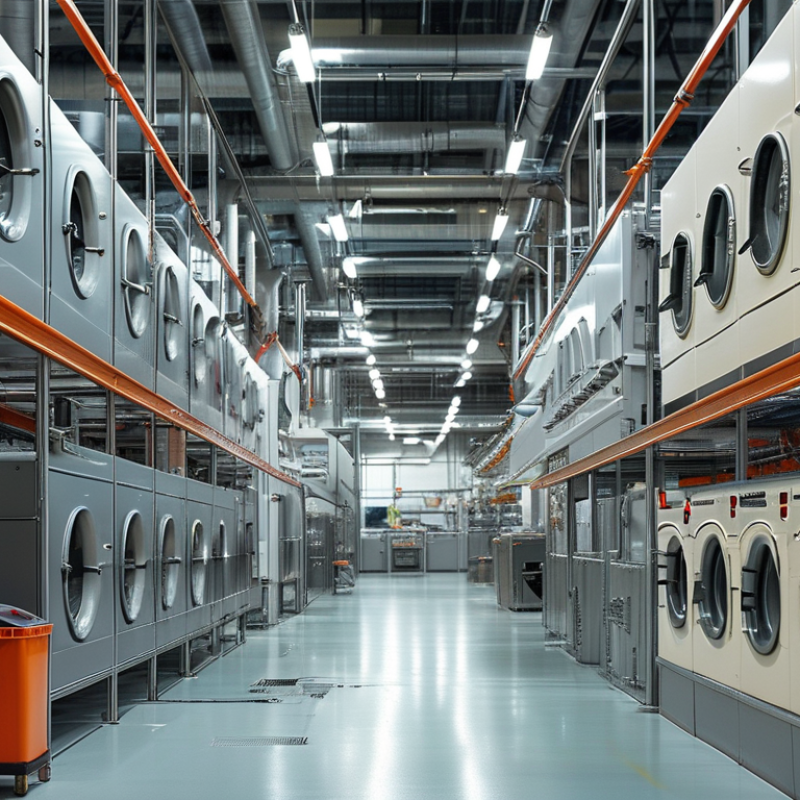
As we approach 2026, the design of industrial scrubbers is evolving rapidly. Innovations are being driven by the need for better efficiency and reduced environmental impact. Notably, advanced filtration technologies are emerging. These systems can capture harmful pollutants more effectively and improve air quality in industrial settings. The integration of artificial intelligence in scrubber management is becoming a focal point. AI can optimize operations, leading to significant energy savings.
Another intriguing trend is the modular design approach. This allows for easier upgrades and maintenance. Facilities can adapt scrubber systems to changing regulations and emerging pollutants without a total overhaul. Additionally, the focus on sustainability is reshaping materials used in scrubber construction. Lightweight, durable materials are more common, reducing waste and enhancing longevity. However, the transition to these new technologies may come with challenges, like initial costs and employee training.
Buyers must remain informed about these changes. The landscape is full of both opportunities and potential pitfalls. Understanding the benefits and limitations of new technologies will be key for effective decision-making. As industrial scrubber trends continue to shift, staying updated will ensure that organizations can maintain compliance and achieve their environmental goals.
Key Regulatory Changes Impacting Industrial Scrubber Selection
As industries evolve, regulatory changes significantly impact the selection of industrial scrubbers. For instance, the U.S. Environmental Protection Agency (EPA) has updated its standards for air quality regulations. These updates necessitate more efficient scrubber technologies that can reduce emissions of harmful pollutants. An industry report from Global Market Insights predicts that the air pollution control market will reach $70 billion by 2026, driven largely by such regulations.
Moreover, several countries are tightening their policies regarding emissions and waste management. The European Union's Green Deal outlines strict targets for carbon neutrality. This policy shift compels industries to adopt cleaner technologies. Consequently, by 2026, manufacturers may face increased pressure to integrate advanced scrubber systems capable of meeting these new standards. Scrubber buyers must stay informed about such regulatory shifts to ensure compliance and avoid potential fines.
Scrubber systems must not only meet current regulations but anticipate future ones. Industry experts suggest increased collaboration between manufacturers and regulatory bodies. This collaboration ensures that scrubber designs remain ahead of legislative changes. With this evolving landscape, buyers must be prepared to adapt. Balancing regulatory requirements and operational efficiency may prove challenging, yet crucial for long-term sustainability.
Trends in Performance Efficiency for Industrial Scrubbers
Industrial scrubbers are a critical component in maintaining air quality across various industries. They effectively remove pollutants, enhancing performance efficiency. The latest reports indicate a shift towards improved technologies that increase scrubber efficacy. For example, in 2026, it is expected that scrubbers with integrated AI capabilities will dominate the market. These advanced systems will analyze emissions in real-time, adjusting operations to optimize performance. This ensures compliance with tightening regulations.
Performance efficiency is improving significantly. Recent studies reveal that modern scrubbers can achieve over 99% removal efficiency for particulate matter and gaseous pollutants. This is a notable increase compared to previous years. However, not all systems are equally efficient. Buyers must be aware of the specifications and capabilities of each product. Inefficient scrubbers may lead to increased operational costs and environmental compliance issues.
Energy consumption is another crucial aspect to monitor. The latest data shows a 25% increase in energy-efficient scrubbers. Yet, some models still fall short. They may require substantial energy input relative to their performance output. This inconsistency highlights the need for thorough research and testing before purchasing. Overall, staying informed about these trends can lead to better decision-making for buyers in the industrial scrubber market.
Sustainability Practices: Eco-Friendly Scrubbers for Modern Industries
The global demand for eco-friendly industrial scrubbers is rising. Modern industries seek sustainable practices to mitigate environmental impact. According to a recent market report, the green technology sector is projected to grow 24% annually, influenced by regulations and consumer preference for sustainability. Businesses face increasing pressure to adopt cleaner technologies.
Eco-friendly scrubbers utilize innovative designs to minimize waste. Many systems now use advanced filtration techniques. This reduces emissions and conserves resources. The latest data reveals industries adopting these systems reduce pollutants by up to 50%. This shift not only benefits the environment but also improves operational efficiency.
When choosing an industrial scrubber, evaluate its energy consumption and waste management capabilities. Look for technologies that offer real-time monitoring for better compliance. Consider equipment that supports resource recovery. It’s essential to select systems aligned with your sustainability goals. Investing in eco-friendly scrubbers is not just a trend; it’s becoming a necessity for responsible businesses.
Top Industrial Scrubber Trends for 2026
| Trend | Description | Sustainability Impact | Expected Market Growth Rate |
| Electrostatic Precipitators | Advanced technology for removing particulate matter with minimal energy consumption. | High efficiency in reducing emissions, contributing to cleaner air. | 8.5% CAGR |
| Bio-Scrubbers | Utilize biological processes to treat air pollutants effectively. | Environmentally friendly, decreasing the carbon footprint. | 10% CAGR |
| Modular Scrubbing Systems | Flexible and scalable systems suitable for various industrial applications. | Supports customization while maintaining sustainability goals. | 9% CAGR |
| Waterless Scrubbing Technologies | Innovative solutions that minimize water usage in scrubbing processes. | Reduces water waste, promoting resource conservation. | 7.5% CAGR |
| Smart Scrubber Systems | Integration of IoT for real-time monitoring and optimization of scrubbing processes. | Enhances operational efficiency and reduces environmental impact. | 11% CAGR |
Market Demand Analysis: Factors Influencing Buyers in 2026
The industrial scrubber market is evolving, driven by increasing regulations and environmental concerns. In 2026, buyers must navigate various factors influencing demand. A report by Market Research Future predicts a compound annual growth rate (CAGR) of 4.5% for scrubber systems from 2022 to 2026. This growth reflects a surge in industries seeking to reduce emissions.
One key factor is the tightening of environmental regulations worldwide. Countries are enforcing stricter limits on air pollutants, urging industries to adopt cleaner technologies. Industries such as marine, power generation, and manufacturing are particularly affected. According to the Environmental Protection Agency, compliance costs could rise significantly, pushing buyers to invest in efficient scrubber systems sooner rather than later.
It's crucial for buyers to assess operational needs critically. Scrubber systems vary widely in efficiency and cost. For example, some systems may handle specific pollutants better but come at a higher upfront cost. Understanding the long-term savings on maintenance and compliance is essential.
Reflect on your organization’s commitment to sustainability. Consider how scrubbers can play a role in corporate responsibility goals. An informed decision can lead to compliance and a stronger market position. Keep an eye on technological advancements too. New solutions may emerge that could alter current market dynamics. These considerations will guide buyers in making educated purchases in a complex market landscape.
Top Industrial Scrubber Trends for 2026