What is Compression Fittings and How Do They Work?
Compression Fittings are essential components in various plumbing and HVAC applications. These fittings create secure, leak-proof connections by compressing a ring against the pipe. The global market for compression fittings is projected to witness significant growth. Reports indicate an increase in demand, driven by expanding infrastructure projects.
In industrial settings, reliability is crucial. Compression fittings must handle high pressure and temperature variations. According to expert analyses, nearly 30% of plumbing failures stem from weak joints. This statistic highlights the importance of quality fittings. Using reputable brands ensures endurance and trust.
Yet, installation can be tricky. A poorly done fit may lead to leaks. Users must pay attention to the fitting's specifications and the materials of the connected pipes. Being informed can prevent costly repairs. Understanding compression fittings is vital for any professional in the field. Investing time in proper education pays off in the long run.
What Are Compression Fittings?
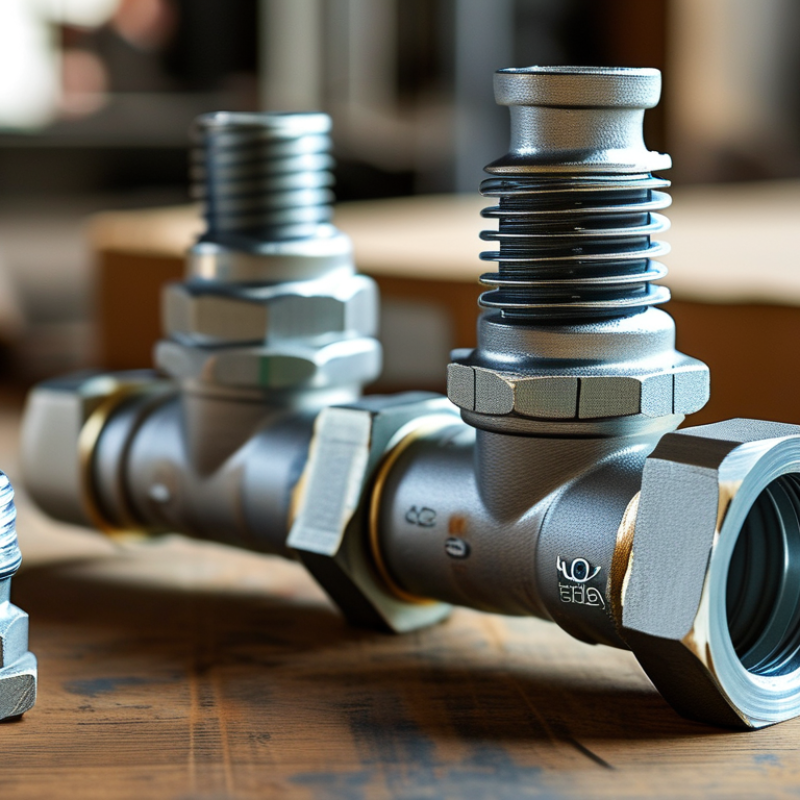
Compression fittings are essential components in various plumbing and piping systems. These fittings create a secure connection between pipes or tubes without the need for soldering or welding. They use a compression mechanism, where a ring, called a ferrule, is compressed against the pipe as you tighten the fitting. This provides a strong seal that prevents leaks, making these fittings popular in both residential and commercial applications.
Industry reports indicate that the market for mechanical pipe fittings, including compression fittings, is projected to reach $8 billion by 2026. This growth is driven by numerous sectors such as construction and manufacturing. A study by MarketsandMarkets highlights that the increasing focus on water infrastructure development contributes to this trend. However, not all compression fittings are created equal. Compatibility with specific pipe materials is crucial; mismatched materials can lead to leaks and other issues.
The quality of compression fittings often varies due to manufacturing processes and materials used. Some fittings may experience fatigue over time, leading to weakened connections. While compression fittings offer ease of use and effective sealing, careful selection and installation are vital. Regular maintenance checks ensure their longevity, especially in high-pressure systems. Recognizing potential weaknesses in these fittings can prevent costly repairs and disruptions.
Types of Compression Fittings Available
Compression fittings are essential components in fluid transfer systems. They provide a reliable connection between pipes, tubing, and hoses. Various types of compression fittings are available, each designed for specific applications. Understanding these types can greatly enhance performance and safety.
One common type is the brass compression fitting. These fittings are known for their durability and resistance to corrosion. They are often used in water and gas lines. Another type is the plastic compression fitting. They offer lightweight solutions and are ideal for applications that require chemical resistance. Stainless steel compression fittings are also prominent. They are used in high-pressure environments due to their strength and longevity.
It’s important to note that sometimes improper installation can lead to leaks. Ensuring the right fit and making adjustments can prevent failures. Some users may overlook maintenance, leading to reduced efficiency. Therefore, knowing the right type of compression fitting is key. Awareness of materials and their limitations helps avoid costly mistakes.
What is Compression Fittings and How Do They Work? - Types of Compression Fittings Available
| Type of Compression Fitting | Material | Application | Size Range (inches) |
| Straight Compression Fitting | Brass | Water Supply | 1/4 to 1 inch |
| Elbow Compression Fitting | Steel | Gas Lines | 1/2 to 2 inches |
| Reducing Compression Fitting | Plastic | Hydronic Heating | 3/8 to 1 inch |
| Tee Compression Fitting | Copper | Plumbing | 1/2 to 3/4 inch |
| Cap Compression Fitting | Brass | Ends of Pipes | 1/4 to 1 inch |
How Compression Fittings Function Mechanically
Compression fittings are crucial in plumbing and piping systems. Their mechanical function relies on creating a secure connection between two pipes or tubes. These fittings consist of several parts: the body, a nut, and a ring called a ferrule. When the nut is tightened onto the body, it compresses the ferrule against the pipe. This action forms a tight seal that prevents leaks.
The mechanical action is simple yet effective. As the nut turns, it pushes the ferrule into the pipe's outer surface. This deformation creates a grip strong enough to withstand pressure. However, achieving the right amount of torque is vital. An overtightened fitting can damage the ferrule, while an insufficiently tightened one may lead to leaks. This balance requires careful adjustment and experience.
Understanding this process demonstrates the importance of proper installation techniques. For instance, using the right tools and measuring pipe dimensions accurately can prevent future issues. Compression fittings are user-friendly. Yet, they demand a level of precision. Mistakes during installation might not be apparent immediately. Over time, they could cause significant problems.
Applications of Compression Fittings in Various Industries
Compression fittings play a crucial role in various industries, providing secure and leak-proof connections for fluid and gas transport. In construction, for instance, they are widely used in plumbing systems. In fact, around 30% of plumbing systems utilize compression fittings due to their ease of installation. The speed at which these fittings can be installed makes them invaluable on job sites. This efficiency minimizes project timelines and costs.
The automotive industry also benefits from compression fittings. They ensure the safe transfer of fluids, including fuel and coolant. A 2022 report by the Automotive Research Institute noted that improper fittings can lead to leaks, causing significant safety risks. However, opting for reliable compression fittings can mitigate these issues, enhancing overall vehicle safety.
In the HVAC sector, compression fittings are critical for refrigerant lines. They maintain the integrity of refrigerant systems, preventing leakage and ensuring system efficiency. Approximately 25% of HVAC system failures can be traced back to improper fittings. This highlights the need for quality assurance in fitting selection. While compression fittings offer many advantages, their installation requires attention to detail. Even minor errors can lead to significant problems, underscoring the importance of using trained professionals in installation.
Installation and Maintenance of Compression Fittings
Compression fittings are critical in plumbing and piping applications. Their installation requires precision to ensure a leak-proof connection. Start by ensuring the pipe is clean and free from debris. Cut the pipe end squarely to avoid leaks. Slide the compression nut onto the pipe, followed by the ring. Then, insert the pipe into the fitting until it reaches the shoulder. Tighten the nut by hand and then with a wrench. Over-tightening can lead to damage or cracking, making regular checks essential.
Maintenance of compression fittings is often overlooked. Regular inspections can prevent costly failures. According to the American Water Works Association, nearly 20% of water loss in municipal systems is due to fitting failures. Observing for signs of wear or corrosion is critical. If leakage occurs, it’s important to address it promptly to avoid water damage. Replace damaged components as needed. Keeping a maintenance log can help identify recurring issues and improve longevity.
Understanding Compression Fittings: Installation and Maintenance
This bar chart illustrates the key factors affecting the installation and maintenance of compression fittings, including usage frequency, common installation issues, and maintenance practices among users.