How to Choose the Right Discharge Hose Coupler
A hose can look sound on the outside and still fail at its connection. That is why choosing a Discharge Hose Coupler involves more than matching diameter. The coupler must suit the fluid, operating pressure, temperature, hose construction, and the way the line is handled. A mismatch can cause leaks, sudden separation, or costly downtime. Small details matter: a 2-inch hose, a rough pump start, and a coupler exposed to repeated dragging all change the selection.
Industry guidance offers a practical starting point. NAHAD’s Hose Safety Institute guidance focuses on hose assembly selection, compatibility, and inspection, while manufacturers’ technical data sheets specify pressure limits, materials, and connection dimensions. These are useful references, not substitutes for checking the actual service conditions. Confirm the hose’s inside diameter and working-pressure rating, then verify the coupler’s material compatibility and attachment method. Also account for pressure surges; a pump’s normal reading may not show the highest load the assembly experiences.
The right choice should fit the whole assembly, not just the hose end. Check the seal, clamp or crimp system, and any required locking feature against the maker’s specifications. Keep a record of the product ratings and inspection findings. It sounds basic. Yet this step is often rushed, and I would not assume a familiar fitting is suitable for a new fluid or duty cycle. A careful match helps reduce avoidable failures and gives maintenance teams clearer grounds for replacement decisions.
Understanding Discharge Hose Couplers and Their Applications
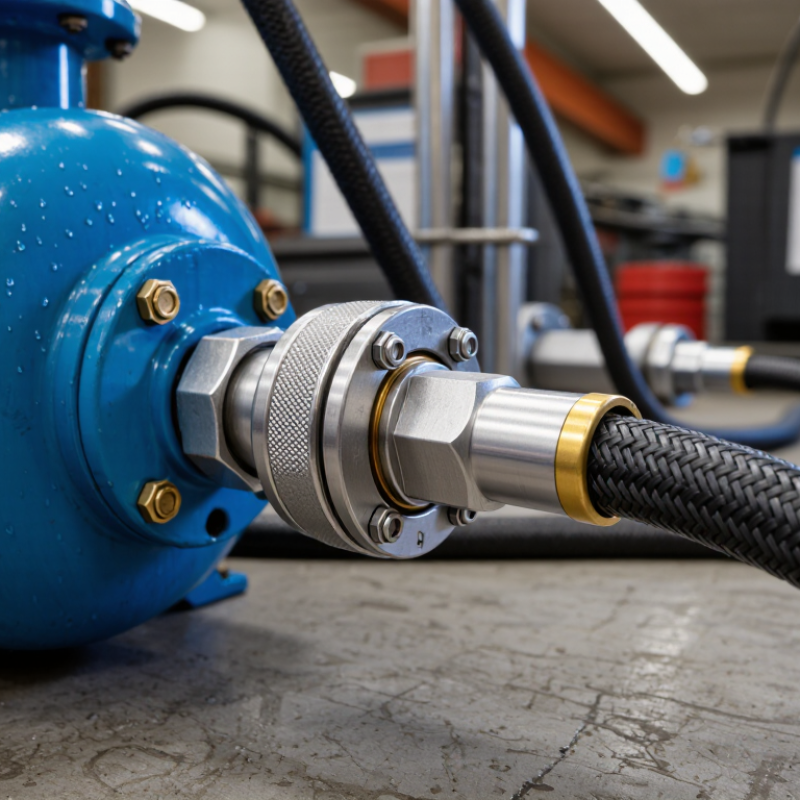
A discharge hose coupler is the working link between a pump, hose, and outlet. Its fit affects leakage, flow, and how quickly crews can connect equipment. Match the coupler to the hose’s inside diameter, connection style, and rated working pressure. A threaded fitting may suit fixed pipework, while a quick-connect design can save time during repeated setup. Check the gasket, too. A hard, cracked seal can leak even when the metal parts appear sound.
Application matters as much as size. Construction dewatering may involve muddy water and frequent dragging, so abrasion resistance and a secure lock deserve attention. Agricultural transfer can require materials compatible with the liquid and its temperature. For fire hose, NFPA 1962 sets an annual service-testing interval; this is a useful reminder that couplers need inspection, not just a tight fit. That interval applies to fire hose assemblies, not every discharge hose. Before use, check the hose and coupler ratings together, then inspect threads, locking lugs, and seals. A small mismatch is easy to overlook. I have seen selection guides focus on diameter alone; that is convenient, but pressure and fluid compatibility can matter just as much.
How to Choose the Right Discharge Hose Coupler
Understanding discharge hose couplers and their applications
Match the coupler’s nominal size and connection type to the hose and equipment. The chart shows theoretical water flow through hose of each diameter at a constant velocity of 10 ft/s, calculated from the pipe-flow area formula; it is not a coupler rating. Actual flow depends on the pump, pressure, hose length, fittings, and fluid.
Matching Coupler Size and Connection Type to the Hose
Start with the hose’s stated inside diameter and the coupler’s specified hose size. These numbers should match; measuring only the outside can lead to a loose or impossible fit. If the hose end is worn or flattened, measure an undamaged section instead. Small gaps matter. A barbed coupler should enter snugly without stretching the hose excessively, while a threaded connection needs matching thread type and diameter. Similar-looking threads may not seal together.
Choose the connection style already used by the hose, pump, or receiving pipe. Common options include threaded ends, cam-and-groove fittings, and barbed tails secured with a clamp. Check how the joint locks, and confirm that its seal material suits the liquid and expected temperature. Also compare the coupler’s pressure rating with the hose and system ratings; the lowest-rated part sets the practical limit.
A fitting that seems to fit by hand is not necessarily compatible. Verify the dimensions and connection specifications before tightening, then inspect the assembled joint for movement or leakage during a controlled test. Even careful measurements can miss wear or a damaged seal.
Selecting Materials for Fluid and Environmental Compatibility
A coupler’s wetted surfaces and seals must suit the actual fluid, not just its generic category. Check concentration, temperature, pressure, and contact time against the material supplier’s compatibility data. Nitrile rubber often suits petroleum-based fluids; EPDM is commonly considered for water and some dilute chemicals. Neither is universally compatible. Small details matter. A cleaning chemical left in a fitting can change seal performance, even when the main fluid seems harmless.
Environmental exposure matters too. NOAA’s National Ocean Service reports average ocean salinity near 35 parts per thousand, a useful reference when assessing saltwater exposure and corrosion risk. For marine or outdoor service, inspect the coupler body, threads, and seal groove for salt deposits, UV exposure, and abrasion. ASTM D471 provides a standardized method for evaluating how liquids affect rubber properties, including volume and tensile changes. Ask for test results that reflect your fluid and operating temperature; a broad “chemical-resistant” label is not enough. Compatibility charts also have limits. Real mixtures and aging can complicate the answer, so record the fluid, temperature, and inspection interval before choosing a material.
Checking Pressure, Temperature, and Flow Requirements
A discharge hose coupler must handle the pressure the system actually sees, not just its normal operating pressure. Check the hose and coupler ratings, then account for brief pressure spikes when a pump starts or a valve closes. The lower-rated component sets the practical limit. Small details matter. A pressure chart alone can feel reassuring, but it may not show every condition in your setup. Check the equipment data and leave an appropriate safety margin.
Temperature needs equal attention. Consider both the fluid temperature and the surrounding environment, especially when a hose sits in direct sun or near warm machinery. Heat can soften some sealing materials; cold can make them less flexible. Confirm that the coupler body and gasket suit the expected range and the fluid being transferred. That part is easy to overlook. If temperatures vary, use the worst expected conditions rather than an average.
Flow requirements help determine the coupler’s size and internal passage. A fitting that is too small can restrict flow, increase pressure loss, and strain the pump. Compare the coupler opening with the hose’s inside diameter, and check the flow rate specified for the system. Measure twice. Even a careful selection can miss a mismatch between connection type and hose size, so verify both before installation. When specifications are unclear, ask a qualified supplier or equipment technician to review the operating details.
Verifying Fit, Sealing, and Maintenance Needs
A coupler that threads on is not automatically a safe match. Measure the hose’s inside diameter and the coupler at several points; worn hose ends can become oval. Check thread form, lug pattern, and insertion depth against the equipment drawing or applicable coupling standard. ISO 7241 covers dimensions and interchangeability for hydraulic quick-action couplings, but it does not verify every water-discharge connection. Similar-looking parts may not fit. Small differences matter.
For a reliable seal, inspect the gasket for cuts, flattening, grit, and swelling. Confirm the gasket material suits the fluid and temperature. Clean contact surfaces before assembly, and use lubricant only when the supplier permits it. Then verify the assembly’s working-pressure rating, including possible pressure surges. A pressure test should follow the equipment maker’s documented procedure, with suitable restraints and a clear exclusion area. A good seal can still fail under the wrong pressure.
Maintenance needs depend on service conditions, not just calendar age. NFPA 1962 (2018) specifies annual service testing for fire hose; other discharge hoses should follow their applicable guidance. Record test dates, leaks, gasket changes, and visible damage. Look closely after dragging hose over gravel or across sharp edges. One uncertainty remains: a quick visual check cannot reveal every weakened lining, so damaged or questionable assemblies need proper inspection before use.