How to Choose the Best Hydraulic Seal for Your Needs?
When selecting a hydraulic seal, it's crucial to consider various factors that affect performance and longevity. The right hydraulic seal plays a vital role in preventing leaks and ensuring system efficiency. Different applications require different seals, underscoring the importance of understanding your specific needs.
Material selection is one of the key aspects. Seals can be made from rubber, polyurethane, or PTFE. Each material has distinct properties, affecting resistance to temperature and chemicals. The seal design also matters. Some seals work better in rotary applications, while others are suited for reciprocating movements.
Finding the best hydraulic seal is not as straightforward as it seems. Misjudgments in material or design can lead to costly failures. Consulting with industry experts can provide valuable insights. Their experience can guide you in choosing the right hydraulic seal. Ultimately, making an informed decision involves research and reflection on past experiences.
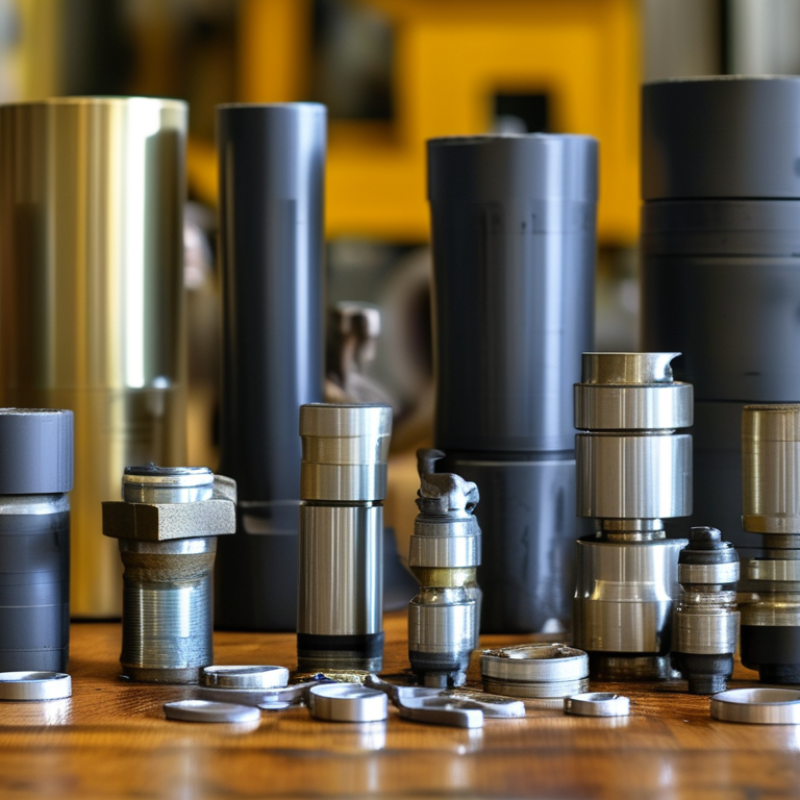
Understanding the Different Types of Hydraulic Seals Available
When selecting the right hydraulic seal, it's crucial to understand the various types available. Hydraulic seals are essential for preventing fluid leakage in machinery. They come in several forms, each designed to perform under specific conditions. Common types include O-rings, U-cups, and lip seals, each offering unique advantages and limitations. According to industry data, O-rings are widely used due to their versatility and compatibility with different fluids. However, they may not be suitable for high-pressure applications.
Moreover, U-cups excel in dynamic situations. They provide superior sealing during piston movements. A 2021 report suggested that U-cups can reduce leakage rates significantly compared to O-rings. However, they may wear out faster in certain environments, such as those with high temperatures or abrasive materials. It's important to analyze the specific conditions your hydraulic system will encounter to make an informed choice.
Consider fluid temperature, pressure, and the substances involved. A mismatch in seal type could lead to failure. For example, using lip seals in extreme temperatures could result in premature breakdown. The data clearly shows that understanding different seal types enhances longevity and reliability in hydraulic systems. Making an informed decision can drastically impact performance and maintenance needs.
Hydraulic Seal Types and Their Applications
Identifying the Key Specifications Relevant to Your Application
When choosing a hydraulic seal, understanding key specifications is crucial. Factors like temperature range, pressure, and fluid compatibility can significantly impact performance. For example, seals made from nitrile rubber withstand common hydraulic fluids, while fluorocarbon materials are better for extreme temperatures. According to a study by the Fluid Power Journal, nearly 30% of hydraulic system failures are linked to improper sealing solutions.
Seal size is another important aspect. A perfectly sized seal minimizes wear and tear. An ill-fitting seal can lead to leaks, which waste resources and increase maintenance costs. The American Society for Testing and Materials (ASTM) emphasizes the importance of precise measurements in determining seal dimensions. Seals that are too tight can cause excessive friction and heat, damaging the entire system.
After assessing material and size, consider the application environment. High-speed operations may require different sealing solutions compared to static applications. Research suggests that understanding the unique conditions of your application is vital. Incorrect seal selection can result in reduced equipment lifespan and costly downtimes. Always weigh the environment and demands against the specifications of potential seal options for an optimal choice.
Evaluating Material Compatibility for Hydraulic Seal Performance
Choosing the right hydraulic seal involves understanding material compatibility. The performance of hydraulic seals primarily hinges on the materials used in their construction. Different environments and fluids interact uniquely with these materials, which can affect longevity and functionality.
For instance, a study indicated that elastomers, like nitrile rubber, have a high resistance to petroleum-based hydraulic fluids, showing durability in harsh conditions. However, when exposed to chlorinated fluids, these seals fail prematurely. According to industry data, approximately 30% of seal failures stem from material incompatibility. Selecting the wrong material can lead to seal degradation, leakage, and potential system failures.
It's essential to assess the specific fluids and conditions your hydraulic system operates under. Temperature, pressure, and chemical exposure play crucial roles in seal performance. A report noted that seals operating at temperatures above 200°C could lose 50% of their sealing effectiveness without proper material choices. Understanding these factors helps ensure a reliable and efficient hydraulic system, minimizing costly downtime and repairs.
Analyzing Environmental Factors Affecting Seal Longevity
Environmental factors play a significant role in determining the longevity of hydraulic seals. Temperature fluctuations can lead to expansion and contraction of materials, which may cause wear over time. Extreme heat can degrade certain seal compounds, while cold temperatures can make them brittle. Understanding the working environment is essential for selecting the right seal material.
Humidity and exposure to chemicals must also be considered. Seals in moist environments can face issues like premature failure due to corrosion. Chemical compatibility is critical; some seals may not withstand specific substances. Even small amounts of contaminants in hydraulic fluids can lead to significant degradation, impacting performance.
While many people focus on seal design and size, environmental conditions are equally crucial. Regular inspection can help identify wear and tear early. It's worth noting that even with the right seal, unforeseen factors may arise. This consideration highlights the importance of ongoing evaluation and adjustment in seal selection. Assessing both the operational needs and environmental challenges leads to better seal longevity.
Note: Please replace `"your-image-source.jpg"` with the actual image source URL.
Choosing the Right Manufacturer for High-Quality Hydraulic Seals
When selecting a hydraulic seal, the manufacturer plays a crucial role in ensuring quality and reliability. Various studies indicate that choosing a well-established manufacturer can increase longevity and performance. For instance, a report from the Hydraulic Institute shows that seals from reputable suppliers last up to 20% longer than those from lesser-known brands. This distinction can significantly affect operational costs and maintenance schedules in industrial applications.
It's wise to consider a manufacturer's experience and certifications. Familiarity with industry standards, such as ISO and ANSI, demonstrates a commitment to quality. Moreover, comprehensive testing and validation processes must be a standard practice among top manufacturers. Research shows that seals produced under these conditions have a failure rate of less than 5%, a stark contrast to the 15% rate for non-certified products.
Evaluate manufacturers not just on reputation but also on technological advancements. Innovative materials and designs can enhance sealing performance under extreme pressures and temperatures. Look for companies that engage in continual improvement and offer data to back up their claims. Engaging with a knowledgeable manufacturer can significantly reduce the risk of failures and associated costs in the long run.