What Is the Best Home Audio Intercom System?
Choosing the best Home Audio Intercom System is less about buying the loudest speakers and more about making everyday communication clear. A voice should reach the kitchen without shouting, while a chime in a hallway should not feel harsh. Room layout, wall materials, background noise, and household routines all affect the result.
Audio researcher Floyd Toole’s work offers a useful reminder: room acoustics shape what listeners hear. This is a paraphrase of his research, not a verbatim quotation. It matters when comparing systems because a capable unit can still sound thin in a large, echoing room. Small details count.
A practical comparison should consider voice clarity, coverage, controls, installation, and whether the system fits the home’s existing setup. Wired models may suit a renovation, while wireless options can reduce installation work. But wireless does not automatically mean effortless; signal strength and device compatibility still deserve a check. Specs alone can mislead.
There is no single best choice for every household. A system that works well in a compact apartment may leave dead spots in a long, multi-level house. And it is easy to overvalue extra features before asking who will use them, and where. That part is often overlooked.
This guide compares the details that make a Home Audio Intercom System useful in real rooms, not just impressive on a product page. It also considers trade-offs, so readers can match features to their home rather than chase a perfect-sounding checklist. A little skepticism helps.
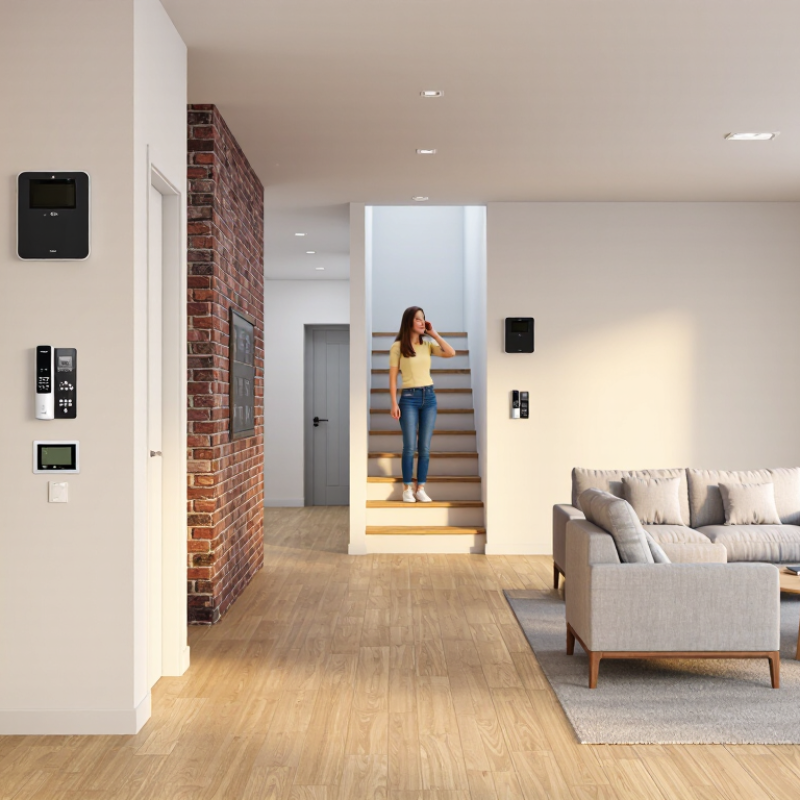
What a Home Audio Intercom System Is and How It Works
A home audio intercom links microphones and speakers in different rooms, letting people speak without walking to a phone. A basic system has room stations, a central controller, and wiring or a wireless network. When someone presses a call button, the microphone captures their voice; the system routes that audio to selected speakers. Two-way models also carry replies back to the caller. Simple in concept. Placement matters: a station beside a noisy kitchen fan may be harder to hear than one near a quiet hallway.
Some systems connect through a home network, while others use dedicated cabling. Networked units may offer mobile alerts or door-station audio, but their clarity depends on microphones, speaker placement, and network delay. ITU-T Recommendation G.114 says one-way delay below 150 milliseconds is generally acceptable for most voice applications. That is a useful benchmark, not a guarantee of clear speech. During installation, test calls from real rooms with doors open and closed. I would also check whether the system supports hands-free replies; push-to-talk can feel awkward when carrying groceries. No setup is perfect. A short test can reveal more than a feature list.
The Main Types of Home Audio Intercom Systems
Home audio intercom systems generally fall into three groups: wired, wireless, and networked systems. Wired units connect room stations through cables, often delivering steady sound without relying on Wi-Fi. They suit new builds or major renovations, but adding cables to finished walls can be disruptive. A little planning helps.
Wireless systems use radio signals between portable or wall-mounted stations. They are easier to install and can work well in smaller homes. Thick walls, metal surfaces, and interference may weaken the signal, though. Test the connection from a bedroom to the farthest room before choosing a permanent location.
Networked systems connect intercom stations through a home network, sometimes allowing calls from a phone or tablet. They can be useful when family members move between floors or need to hear a door-side caller. Their performance depends on network coverage and power, so check what happens during an internet outage.
For everyday use, consider who needs to call whom, how loudly each station plays, and whether buttons are easy to find. A hallway can sound clear while a kitchen fan masks a reply. That detail is easy to overlook.
Key Features That Affect Sound, Range, and Reliability
What Is the Best Home Audio Intercom System?
Sound, range, and reliability matter more than a long feature list. For clearer speech, check whether the unit has adjustable volume and good noise handling. A voice should remain understandable over a running kitchen fan, not just in a quiet showroom. Speaker placement matters, too. A device tucked behind a coat rack may sound muffled, even if its audio specifications look impressive. Full-duplex audio lets people speak naturally without taking turns, though performance can vary by room.
Range depends on the connection type, wall materials, and interference from nearby electronics. A signal that works across an open hallway may weaken through brick or several closed doors. Check the stated range, but treat it as a best-case estimate. Reliability also depends on power: wired units avoid battery changes, while wireless units offer easier placement. Consider backup power and whether controls are simple enough for every household member. I’d test the system in the noisiest room; that detail is easy to overlook.
Tips: Place units at speaking height, away from fans and televisions. Test calls with doors closed and from the farthest room. Listen for delay, static, and dropped audio. A small dead spot can matter more than a few extra features.
How to Compare Systems for Different Homes
What Is the Best Home Audio Intercom System?
How to Compare Systems for Different Homes
The best fit depends less on features than on floor plan, construction, and daily routines. The National Association of Home Builders reported a median new-home size of 2,233 square feet in 2023, using U.S. Census data. But square footage alone can mislead: thick walls, stairwells, and closed doors affect how clearly voices carry. In a small apartment, a few Wi-Fi-connected stations may cover the entry and kitchen. In a multistory home, test communication between actual rooms before choosing; a hallway speaker may sound clear nearby but fade upstairs. That detail is easy to miss.
For a renovation, check whether new wiring is practical and where power outlets sit. A wired system can suit fixed, frequently used stations, while wireless options may be simpler to add without opening walls. Compare two-way audio, room-to-room calling, door-station support, and operation during internet outages. Also ask how voice privacy is handled and whether controls are understandable for every household member. A feature-rich system is not automatically the most usable one. I might give too much weight to sound quality; in practice, placement and simple controls deserve equal attention.
Tips: Walk the house and test speech from noisy rooms, like a kitchen, to quiet bedrooms. Note weak Wi-Fi spots, then confirm the system’s backup behavior before buying.
Choosing a System Based on Your Household’s Needs
The right home audio intercom depends less on feature count than on who needs to communicate, and where. In a two-story home, someone cooking may need to reach a child upstairs without shouting across the stairwell. In a smaller apartment, a simple room-to-room call may be enough. That sounds obvious. Yet households often choose a system before mapping the rooms and daily routines it must serve.
List the rooms people use most, then note where walls, closed doors, or household noise could weaken clear communication. Check whether the system supports separate room calls, whole-home announcements, or both. If anyone has limited hearing or mobility, consider adjustable volume, clear controls, and easy-to-reach stations. Keep the setup simple. Extra features can go unused when a basic call is hard to answer.
Wired systems may suit homes with suitable existing cabling, while wireless options can be easier to install but depend on signal strength and power. Test coverage from the farthest room, not just beside the router or central unit. A thick wall can change the result. Also check how the system handles power loss and whether its privacy settings fit your household. An intercom can help with everyday coordination, but it should not replace dedicated emergency equipment. One small regret: it is easy to focus on sound quality and overlook where the controls will actually sit.
What Is the Best Home Audio Intercom System?
Choose a system based on where you need clear, understandable speech—not on frequency range alone.
These approximate frequency ranges provide context for voice communication; they are not specifications for intercom devices. For a small household, prioritize simple room-to-room calling. For a larger or multi-floor home, look for clear two-way audio, sufficient room coverage, and convenient zone controls. Human hearing varies with age and individual factors.