Why Choose Industrial Automation Solutions for Your Business?
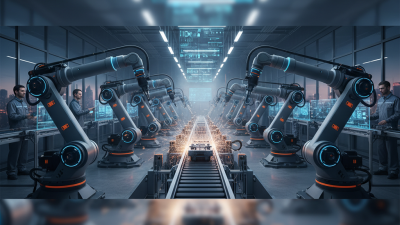
In today's competitive landscape, businesses are increasingly turning to industrial automation solutions. These solutions streamline processes, improve efficiency, and reduce operational costs. Companies can leverage advanced technologies to enhance productivity and quality.
Adopting industrial automation offers various benefits. For instance, automation can minimize human error and increase precision in manufacturing. This shift can transform production lines into hubs of efficiency and innovation. However, transitioning can be challenging. Companies must ensure that staff are trained and that systems are integrated smoothly.
Many businesses struggle with this change. There is often resistance from employees who fear job loss. Additionally, upfront costs may seem daunting. Nevertheless, the long-term gains often outweigh these initial obstacles. Ultimately, embracing industrial automation solutions can lead to significant growth and sustainability.
Understanding Industrial Automation: Key Concepts and Technologies
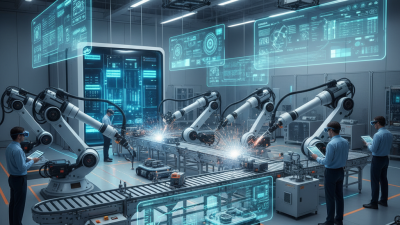
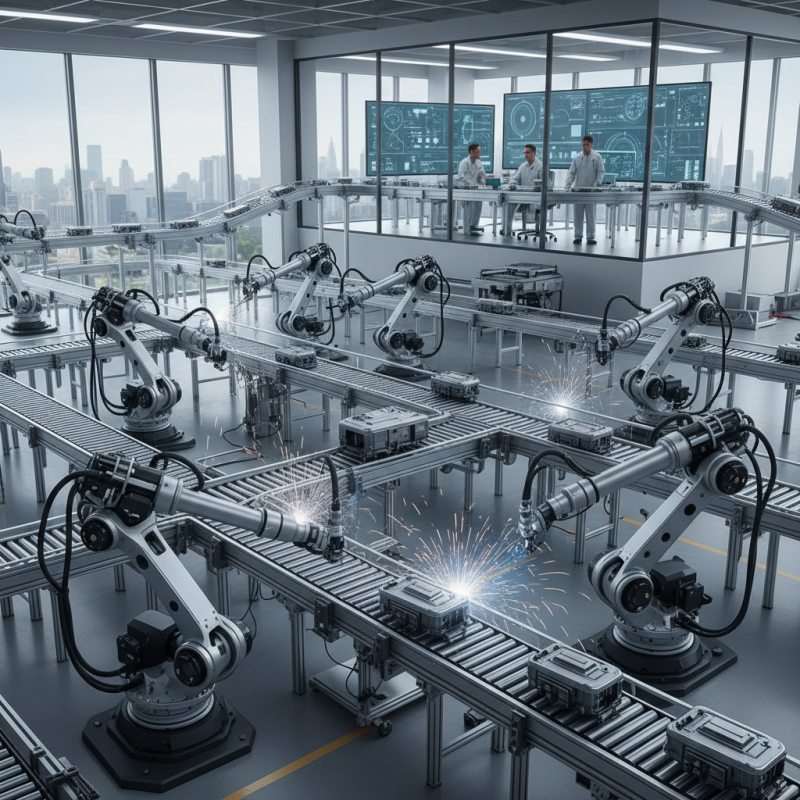
Industrial automation has transformed modern manufacturing processes. Understanding its key concepts and technologies is essential for businesses considering automation. Robotics plays a significant role in this field. Robots can perform repetitive tasks with precision. This reduces human error and increases efficiency. However, integrating robots may lead to challenges in workforce management.
Another important aspect is data analytics. Automated systems generate a wealth of data. Analyzing this data improves decision-making and operational efficiency. Yet, there can be an overreliance on data. Analytical models are not infallible. They need regular updates and scrutiny to remain effective.
Moreover, human-machine collaboration is crucial. Humans provide creativity and problem-solving that machines cannot replicate. Training the workforce to work alongside automated systems is vital. However, businesses often underestimate the time required for effective training. Embracing industrial automation involves addressing these complexities and finding a balanced approach.
Benefits of Industrial Automation for Business Efficiency and Productivity
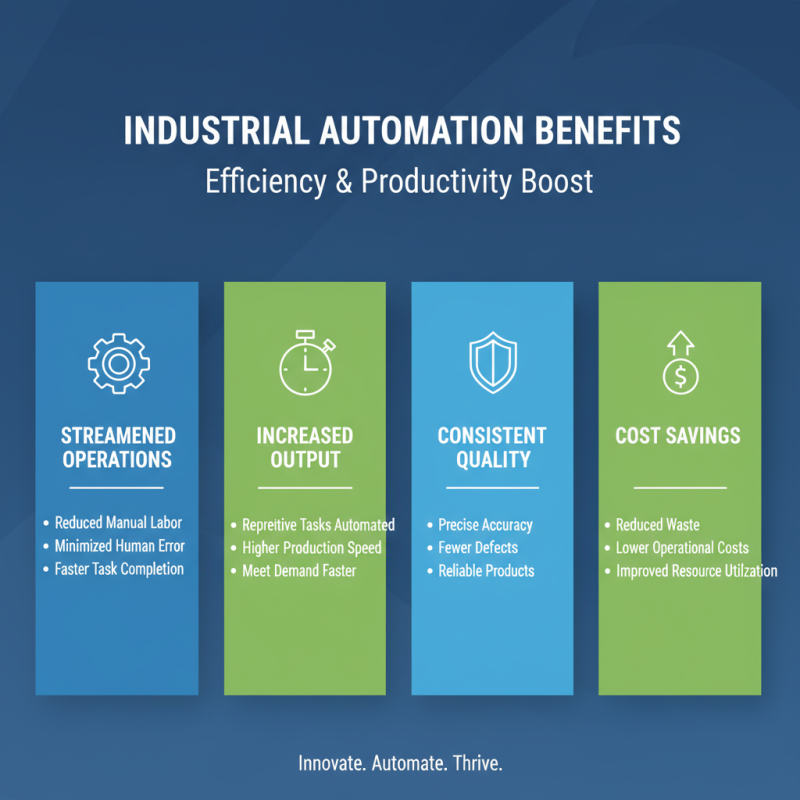
Industrial automation offers numerous benefits that can significantly boost business efficiency. By streamlining operations, it reduces manual labor and minimizes human error. Automation systems can perform repetitive tasks with accuracy and speed. This leads to higher output and consistent quality in products. For example, robotic arms in manufacturing can assemble components faster than humans, allowing businesses to meet demand more effectively.
Moreover, automation provides valuable data insights. These insights can help identify bottlenecks and inefficiencies. Companies can make informed decisions based on real-time analytics. This data-driven approach enhances productivity and optimizes resources. However, it's essential to regularly evaluate these systems. Over-reliance on automation can lead to skill gaps among workers. A balance between technology and human capabilities is necessary for sustained growth.
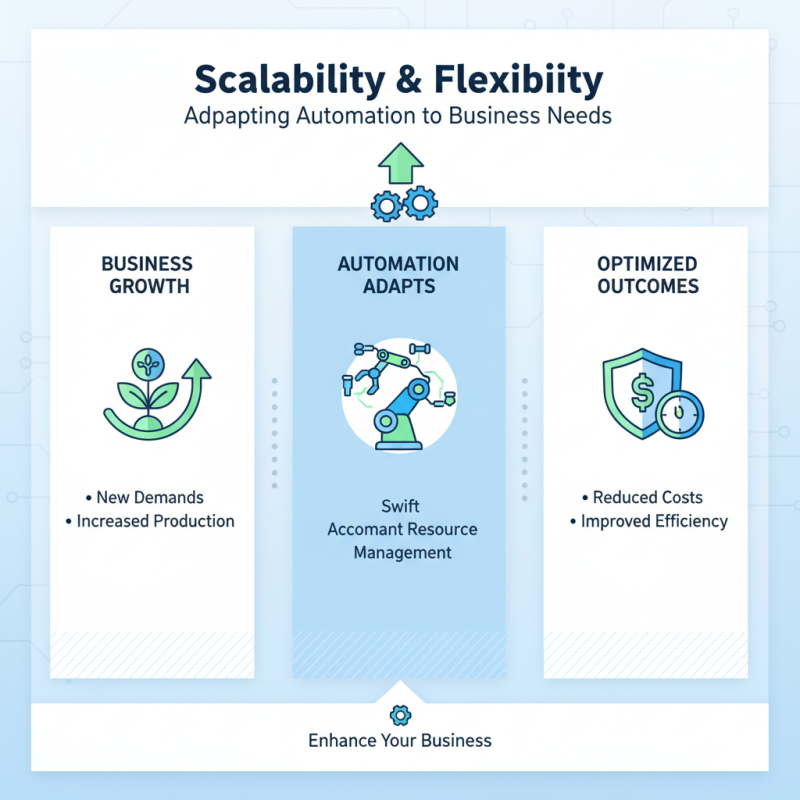
Investing in automation requires careful planning. Businesses should consider the initial costs and potential ROI. Flexibility in automation solutions is crucial, as industries can change rapidly. It's vital to ensure that the chosen systems can adapt to future needs. Continuous training for employees will also keep pace with advancements. In this dynamic landscape, adapting and reflecting on strategy is key to enduring success.
Cost Savings and ROI: Financial Advantages of Automation Solutions
Industrial automation solutions are increasingly seen as a top choice for businesses aiming to improve their bottom line. According to a report by McKinsey, companies that implement automation can achieve up to a 40% reduction in operational costs. This significant reduction often translates into improved profit margins. The initial investment may seem daunting, but the long-term returns can be substantial. For instance, a Deloitte survey found that 67% of organizations that adopted automation reported an increase in overall productivity.
Automation also minimizes human error, which can lead to costly mistakes. A study by the International Society of Automation highlighted that automation can reduce error rates by as much as 90%. These improvements can reflect not only in cost savings but also in enhanced customer satisfaction. Companies can deliver products faster and with higher accuracy.
However, the transition to automation does require careful planning. Not every process may be suited for automation, and it’s essential to analyze which areas will yield the highest returns. While some businesses report immediate gains, others might encounter challenges. Continuous evaluation of performance is crucial to maximize the benefits of automation solutions.
Why Choose Industrial Automation Solutions for Your Business? - Cost Savings and ROI: Financial Advantages of Automation Solutions
| Aspect |
Description |
Estimated Cost Savings (%) |
ROI Period (Years) |
| Labor Costs |
Reduction in manual labor through automation |
30% |
2 |
| Operational Efficiency |
Faster production rates and reduced downtime |
25% |
1.5 |
| Quality Control |
Improved precision and reduced waste |
20% |
2 |
| Energy Efficiency |
Lower energy consumption through optimized processes |
15% |
3 |
| Inventory Management |
Reduction in excess inventory and spoilage |
10% |
2.5 |
Future Trends in Industrial Automation: What to Expect in the Industry
As industries evolve, automation plays a vital role in driving efficiency and productivity. Future trends in industrial automation are shaping how businesses operate. Technologies such as AI and machine learning will provide deeper insights into processes, allowing for improved decision-making. The emphasis will be on predictive maintenance, reducing downtime and enhancing operational performance.
Tips for adapting to these trends: Invest in training. Your team needs to understand new technologies. Regular upskilling helps maintain a competitive edge. Focus on data. Companies that analyze data effectively can optimize processes and anticipate issues, leading to smarter decisions.
Another trend is the rise of collaborative robots or cobots. They will work alongside human workers, enhancing productivity while ensuring safety. However, integrating these systems isn't always straightforward. Companies must address compatibility and training challenges. Continuous assessment of workflows is crucial. Without it, potential gains may remain elusive.
Future Trends in Industrial Automation: What to Expect in the Industry