
China Top 10 Shot Blasting Tools Manufacturers?

Choosing the right Shot Blasting Tools supplier can shape surface quality, production speed, and long-term maintenance costs. For buyers exploring China’s manufacturing market, this guide introduces ten manufacturers and the equipment they offer. Their products may include blast wheels, cabinets, room systems, and related components. The right choice depends on the workpiece, required finish, production volume, and available workshop space. Details matter.

A useful comparison looks beyond product photos. It considers engineering support, customization options, quality documentation, export experience, spare-parts availability, and after-sales service. These factors can help buyers judge whether a supplier fits a specific operation. Still, a top-ten list is a starting point, not a certification or guarantee. Company capabilities and product ranges can change, and public information may not show how equipment performs under daily production conditions.

Before requesting a quotation, define the material, part dimensions, surface requirements, and expected throughput. Ask for technical specifications, operating references, and a practical demonstration or sample test where possible. Check how abrasive recovery, dust collection, maintenance access, and replacement parts fit your process. A polished catalog is not proof of consistent performance. Nor does the lowest price always mean the lowest operating cost. This overview aims to make supplier research clearer, while leaving room for careful verification. Some details may need a second look. That is a useful reminder: equipment decisions deserve evidence, not assumptions.
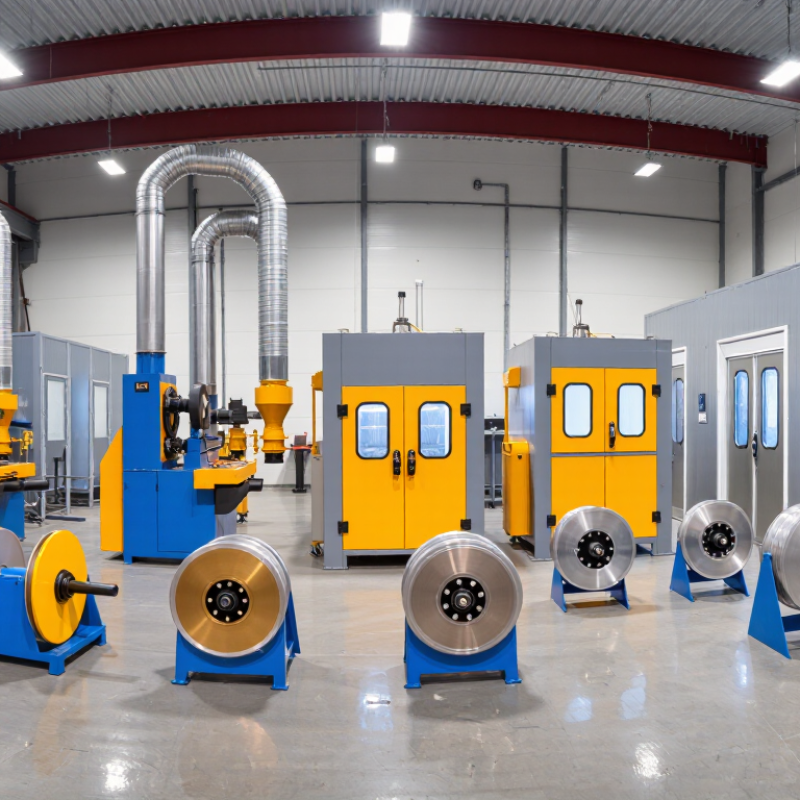
China Top 10 Shot Blasting Tools Manufacturers?

Shot Blasting Machine Types and Their Surface-Preparation Applications

Shot blasting machines vary by part geometry, production volume, and the finish required. Surface preparation is more than cleaning. Abrasive media removes scale, rust, or old coatings and creates a profile for later finishing. The choice matters. A profile that is too shallow may weaken coating adhesion, while excessive blasting can roughen thin sheet or round sharp edges.

Tumble-belt machines handle batches of small, durable components, such as cast fittings or fasteners. Parts tumble as abrasive reaches multiple faces, though delicate pieces may collide and become marked. Hook-type machines suspend larger castings or fabricated frames, giving operators better access to complex shapes.

For beams, plates, and other long stock, pass-through machines keep production moving through a blast chamber. Wheel placement and feed speed affect coverage, so sample trials can reveal missed areas.

Cabinet machines suit repair shops and controlled work on individual parts. They provide close visibility and contain dust when maintained correctly. That detail is often neglected. For tanks or large structures that cannot enter a chamber, portable blasting equipment can prepare localized areas. However, weather, containment, and operator access may complicate consistent results. Match abrasive size and hardness to the substrate, then inspect test pieces under good lighting. A quick visual check can miss embedded debris or uneven coverage. Recording machine settings helps, though operators may still need to adjust them for changing part shapes.

Key Evaluation Criteria: ISO 8501-1 Sa 2½ Cleanliness and ISO 8503 Profiles

When comparing manufacturers of shot-blasting tools in China, assess the finished steel, not machine specifications alone. ISO 8501-1 Sa 2½ is a visual cleanliness grade, not a promise that every surface will look identical. It requires removal of visible oil, grease, dirt, mill scale, rust, and previous coatings; only slight staining may remain. Use representative steel coupons and consistent lighting when checking samples. Photos help. Direct inspection still matters. Small details count.

Then check the surface profile against ISO 8503 and the coating specification. Profile affects coating adhesion, yet a rougher surface is not automatically better. Ask how the supplier measures it, using a suitable comparator, replica tape, or stylus instrument, and request calibration records and repeat readings. Test with the intended abrasive, pressure, and stand-off distance; these settings can change results markedly. Record profile readings alongside Sa 2½ observations across several coupons. One test is not proof. Edge effects, operator technique, and uneven abrasive flow can distort readings, so evaluations should report variation rather than one perfect number. The method may still miss field conditions; that deserves a second look.

China’s Top 10 Shot Blasting Equipment Manufacturers and Their Core Products

China’s top ten shot blasting equipment manufacturers are best compared by their core product ranges, not by rankings alone. Their portfolios commonly include wheel-blast machines, air-blast cabinets, tumble-belt systems, hanger-type machines, roller-conveyor lines, and rotary-table units. Each suits a different workpiece. Small castings may fit a tumble-belt machine, while long steel sections need a conveyor system. Air-blast cabinets offer more control for delicate surfaces. Details matter.

Other common products include pipe-blasting machines, steel-plate pretreatment lines, portable blast units, and abrasive recovery and dust-collection systems. A plate line may combine feeding, blasting, brushing, and drying, so buyers should check the full process rather than one machine’s headline capacity. Ask about component thickness, surface-cleanliness targets, abrasive consumption, and dust-filter maintenance. These details affect daily operation.

Product names can sound similar, but chamber size, turbine layout, and workpiece handling vary. Request drawings and a test using representative parts when possible. A supplier’s stated output may depend on part shape and loading method. I would treat any fixed “top ten” order cautiously; selection criteria differ, and product fit is more useful than a polished ranking.

China’s Top 10 Shot Blasting Equipment Manufacturers and Their Core Products

A practical overview of ten shot-blasting equipment categories commonly manufactured in China, with typical applications and configurations.

No. Equipment Category Core Products Typical Workpieces Common Configuration Typical Use
1 Tumble Belt Shot Blasting Machine Rubber-belt and steel-belt tumble blasters Small castings, forgings, and batches of metal components Rotating belt or drum, abrasive recovery system, dust collector Batch cleaning and descaling of durable, relatively small parts
2 Rotary Table Shot Blasting Machine Single-table and multi-station rotary-table machines Flat or shaped components that need controlled positioning Rotating worktable, blast wheel, protective chamber lining Cleaning and surface preparation of components that should not tumble
3 Hanger-Type Shot Blasting Machine Single-hook and continuous-overhead-rail machines Castings, fabricated parts, and components with hanging points Suspended hook or hanger, one or more blast wheels, abrasive separator Cleaning complex shapes and parts that require access to multiple surfaces
4 Roller Conveyor Shot Blasting Machine Roller-conveyor machines for beams, profiles, and fabricated steel Steel sections, structural parts, plates, and welded assemblies Powered roller conveyor, multiple blast wheels, abrasive recycling system Continuous surface cleaning before coating, fabrication, or inspection
5 Steel Plate Pretreatment Line Integrated plate and profile cleaning lines Steel plates, beams, channels, and structural profiles Infeed and outfeed conveyors, blast chamber, dust collection, optional coating equipment Automated rust and scale removal as part of steel fabrication workflows
6 Wire Rod Shot Blasting Machine Machines for continuous cleaning of wire, bar, or narrow metal stock Wire rod, metal bars, and other long, narrow products Guiding and feed system, blast chamber, abrasive recovery and separation Removal of surface scale before downstream processing or coating
7 Pipe Shot Blasting Machine External pipe blasters and internal pipe-blasting systems Steel pipes and tubular components Pipe rollers or feed supports; internal systems use a lance or directed abrasive flow Surface preparation of pipe exteriors or interiors before lining or coating
8 Mesh Belt Shot Blasting Machine Continuous mesh-belt machines for small and medium components Heat-treated parts, fasteners, and small cast or forged components Moving mesh belt, blast wheels, abrasive circulation system Continuous processing of parts that should remain separated during blasting
9 Blast Cabinet Manual and automated abrasive-blasting cabinets Small components, tools, and parts requiring localized treatment Enclosed cabinet, gloves or automated nozzle, abrasive collection and dust extraction Small-batch cleaning, deburring, and surface preparation in workshops
10 Portable Blast System Pressure blast pots and portable abrasive-blasting units Large structures, immovable equipment, and on-site surfaces Pressurized abrasive vessel, blast hose, nozzle, and separate air supply Field maintenance and surface preparation where fixed machinery is impractical

Note: The table is organized by equipment type, not by company ranking. Applications and configurations are typical industry uses; the exact machine design depends on workpiece dimensions, production rate, abrasive selection, and required surface condition.

Compare Wheel-Blast and Air-Blast Systems by Throughput and Abrasive Recovery

Wheel-blast systems propel abrasive with rotating wheels, making them suitable for repeatable, high-volume work. A conveyor or hanger can move batches through a fixed blast zone. This setup often treats many similar parts efficiently, such as steel plates or castings. Measure throughput in finished parts per hour, not just machine cycle time. Loading, masking, and inspection can slow the line.

Air-blast systems use compressed air to carry abrasive through a nozzle. Operators can direct the stream into recesses, around edges, or across irregular parts. That flexibility is useful for varied jobs, but manual blasting may take longer and produce less consistent coverage. Watch the nozzle distance. Small changes matter.

Abrasive recovery affects both operating cost and steady production. Enclosed wheel-blast machines commonly collect and separate reusable media, while air-blast recovery depends on the booth and collection design. Dust, broken abrasive, and surface debris must be removed before reuse. Otherwise, finish quality can drift. It depends. Compare media consumption, separator maintenance, dust-filter changes, and actual output during a representative shift. A clean test part is helpful, but it does not reveal every production bottleneck. The comparison is imperfect; part geometry and operator skill can change the result.

Supplier Checks: ISO 11124/11126 Abrasive Standards, Service, and Compliance

China Top 10 Shot Blasting Tools Manufacturers?

Choosing among China’s top shot-blasting tool manufacturers starts with evidence, not catalog claims. Ask whether abrasive certificates identify ISO 11124 metallic or ISO 11126 non-metallic media, the applicable part, grade, and production lot. These standards set product requirements for blast-cleaning abrasives; they do not certify a machine or guarantee a coating result. Check test records against the relevant specification, then compare the delivered batch with an approved sample. A bag label alone is weak evidence. That sounds tidy. Reality is messier.

Service deserves the same scrutiny. Request a written response time, spare-parts list, commissioning checklist, and operator training plan. During a factory or site trial, inspect abrasive flow, dust collection, guarding, and blast-pattern consistency. Ask how the supplier controls batch traceability and handles nonconforming media. The NACE International IMPACT study estimated corrosion costs at US$2.5 trillion in 2013. That was about 3.4% of global GDP. Proper surface preparation helps protect that investment, though it cannot prevent every failure. Require current safety data sheets and clear handling and disposal guidance. Still, paperwork can mislead. Confirm claims with sample tests and the actual machine.

China Shot Blasting Tool Supplier Checks

ISO 11124 and ISO 11126 abrasive standards: product-specific parts in each series

ISO 11124 covers metallic abrasives, with four product-specific parts (Parts 2–5); ISO 11126 covers non-metallic abrasives, with nine (Parts 2–10). These counts describe the standards series, not supplier rankings or quality scores. When evaluating suppliers, confirm the abrasive type and applicable current standard, request traceable test and inspection records, and check after-sales service and compliance documentation.