7 Best FLS Gate Valve Components for Global Buyers?
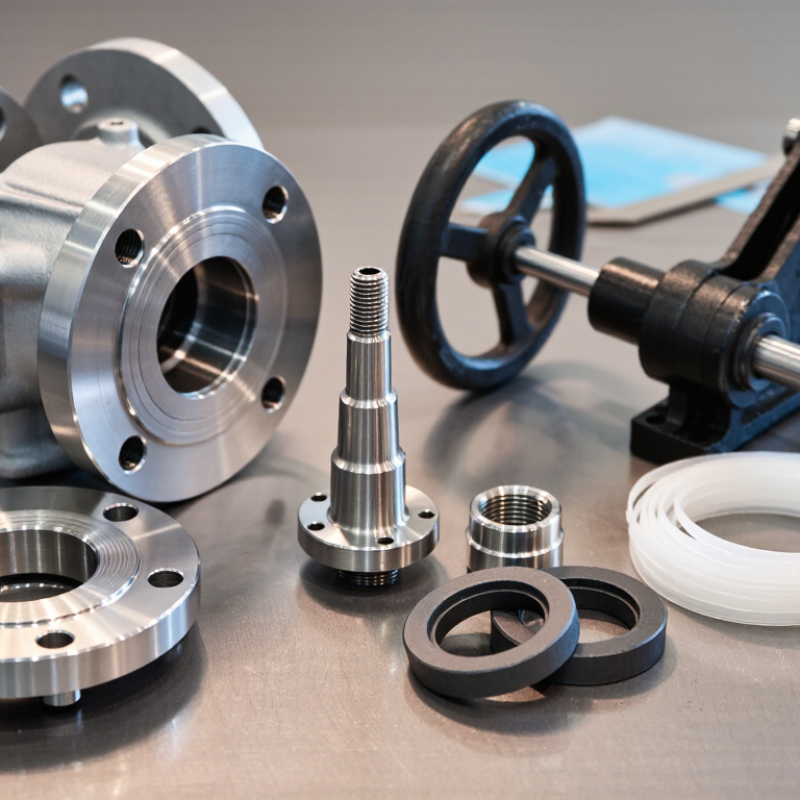
For global buyers, selecting Fls Gate Valve Components is not just a price comparison. Each part affects sealing, operating effort, service life, and maintenance needs. This guide reviews seven key components: the valve body, bonnet, gate, stem, seats, packing, and operating mechanism. Small details matter. A stem’s dimensions, for example, must match the valve design, while seat and packing materials need to suit the fluid and temperature. A low-cost part can become expensive if it causes leakage, delays, or repeated replacement.
The best choice depends on the application, not a universal ranking. Buyers should compare drawings, material specifications, pressure ratings, dimensional tolerances, and available inspection records. They should also confirm compatibility with the existing valve and ask suppliers how parts are identified and traced. Not always obvious. A polished product page may omit details that matter during installation, so request documentation before ordering. This overview offers a practical starting point for comparing options and preparing supplier questions. Still, no checklist can replace engineering review; operating conditions vary, and product data can be incomplete. That is worth remembering. Careful verification, clear communication, and realistic expectations help buyers reduce avoidable fit and performance problems.
FLS Gate Valves in Wellhead Systems: API 6A Ratings Reach 20,000 psi
FLS Gate Valves in Wellhead Systems: API 6A Ratings Reach 20,000 psi
In wellhead systems, a gate valve’s pressure rating affects how it is selected, installed, and maintained. API 6A-rated configurations can reach 20,000 psi, but that figure does not apply to every valve. Buyers should confirm the exact pressure rating on the nameplate and match it to the system’s operating conditions. A high rating alone is not enough.
Look closely at the body, gate, seats, stem, and seals. These components must work together under pressure and across the specified temperature range. Check the product documentation for pressure class, material grade, temperature class, and required testing. Small details count. A mismatch in connection size or trim can complicate installation and service, even when the pressure rating appears suitable.
For global purchasing teams, traceable material records and clear inspection documents make comparison more reliable. Ask how the valve was tested and whether the supplied configuration matches the approved drawings. API 6A compliance should be verified for the specific assembly, not assumed from a catalog headline. It is easy to focus on the 20,000 psi figure; I would also question whether the chosen configuration suits the actual wellhead conditions. That step can be overlooked.
Pressure-Boundary Components: Body and Bonnet for High-Pressure Service
For high-pressure service, the body and bonnet form the valve’s primary pressure boundary. They must contain the specified pressure and temperature without harmful deformation or leakage. Treat them as a matched assembly, not interchangeable catalogue parts. Check material grade, wall thickness, pressure-temperature rating, and bonnet-joint design against the purchase specification and applicable edition of ASME B16.34. Small details matter. A gasket groove with poor finish or unevenly tightened bolting can undermine an otherwise sound joint.
Corrosion deserves equal attention. NACE International’s 2016 IMPACT study estimated global corrosion costs at US$2.5 trillion annually, about 3.4% of global GDP, and potential savings of 15–35% through corrosion-control practices. These figures cover many industries, not valve failures specifically, but they show why material selection and inspection deserve scrutiny. Ask for material certificates, casting traceability, required nondestructive examination, and pressure-test records under the applicable valve standard. Inspect sealing faces and the body-to-bonnet joint details, not just the nameplate rating. Pressure class alone does not prove suitability for a particular fluid or temperature. One limitation remains: paperwork cannot reveal every casting flaw, so confirm that inspection scope matches the service risk.
Flow-Control Components: Gate and Seats for Reliable Shutoff
Gate valves depend on close contact between the gate and seats to control shutoff. For global buyers, the right components must match the valve design, operating pressure, temperature, and fluid. A seat that fits on paper may still perform poorly if its sealing surface or material is unsuitable.
Details matter. Check the gate’s flatness, surface finish, and alignment with both seats. For abrasive service, particles can score sealing faces and increase leakage over time. In clean water service, material compatibility and corrosion resistance may matter more. Small differences count. Request dimensional drawings, material certificates, and inspection records, then compare them with the valve’s actual requirements.
Catalog dimensions are useful, but they do not tell the whole story. A component can meet stated tolerances and still wear faster under frequent cycling or temperature changes. That is a limitation worth considering when comparing suppliers. Ask how seats are tested, what leakage criteria apply, and whether replacement parts are traceable by batch. Clear answers make procurement more dependable; vague claims deserve a closer look.
7 Key Gate Valve Components for Reliable Shutoff
Qualitative service-priority guide for common gate valve components. Ratings are indicative, not measured performance data or manufacturer specifications.
Seats and the gate directly form the shutoff interface. Packing seals around the stem, while the body, bonnet, and bonnet gasket maintain the valve’s pressure boundary. Inspection priorities vary with service conditions, materials, and valve design.
Stem, Packing, and Bonnet Seals: Managing Pressure and Leakage
Stem, Packing, and Bonnet Seals: Managing Pressure and Leakage
A gate valve can look sound while a small leak develops around its stem. The stem’s surface, alignment, and condition affect how well the packing seals. Scratches or corrosion may create a path for fluid, especially during repeated operation. Check for uneven wear and unusual resistance when turning the handwheel. A stiff stem is a clue, not a diagnosis.
Packing needs enough compression to control leakage, but tightening it too far can increase operating torque and wear the stem. Bonnet seals face a different challenge: they must contain line pressure across the joint. Inspect sealing surfaces for debris, scoring, and signs of extrusion before reassembly. Use the specified materials and tightening procedure for the valve’s service conditions. In practice, records can miss gradual seepage. A quick visual check is useful, but it cannot replace a pressure test when one is required.
Tips: Isolate and depressurize the valve before inspection. Look for fresh moisture around the stem and bonnet after operation, and record any adjustments. If leakage returns, do not keep tightening blindly; review seal condition, installation, and service compatibility.
Global Buyer Checks: API 6A PSL, PR, Material, and Temperature Classes
For a gate valve, the body and bonnet contain pressure; the gate, seats, and stem control flow. Seals matter too. A small mismatch can cause leakage or difficult operation. Check drawings and nameplates against the purchase specification, not just a product brochure.
API 6A PSL indicates documentation and quality-control requirements, while PR identifies performance qualification. Confirm the required levels and supporting records for the exact valve configuration. Material class should match the specified service environment, including fluid composition and corrosion risks. Temperature class must also fit expected operating and testing conditions. Do not assume a higher-looking class automatically suits every application.
Ask for traceable material records, inspection results, and applicable test documentation. Verify that component materials and seals are consistent across the bill of materials. One practical check: compare the stem, gate, and seat details with the approved drawings. Paperwork can look tidy, yet still omit a critical configuration detail. I have seen this kind of gap overlooked. It deserves another review. Confirm requirements against the applicable API 6A edition and project documents before accepting the valve.