Top 10 Benefits of Industrial Process Automation for Modern Businesses
In today's rapidly evolving market, businesses face increasing pressure to improve efficiency and reduce costs. Industrial process automation is a crucial solution for achieving these goals. As Dr. Sarah Thompson, a renowned expert in automation technology, once stated, "Automation is not just about technology; it's about transforming the way we work." This transformation can lead to numerous benefits for modern businesses.
Implementing industrial process automation can enhance productivity significantly. By automating repetitive tasks, employees can focus on more strategic initiatives. However, it's not solely about efficiency. Companies must also consider the challenges that come with this transition. For instance, training staff to work with new automated systems can be a daunting task. Additionally, employees may feel uncertain about their roles in an increasingly automated environment.
Despite these challenges, the advantages of industrial process automation are hard to ignore. Businesses can achieve greater consistency in production quality. They can also reduce human error, which often leads to waste and inefficiencies. Embracing automation requires careful planning and adaptability. Companies must weigh both the opportunities and potential drawbacks as they navigate this transformation.
Overview of Industrial Process Automation in Modern Business
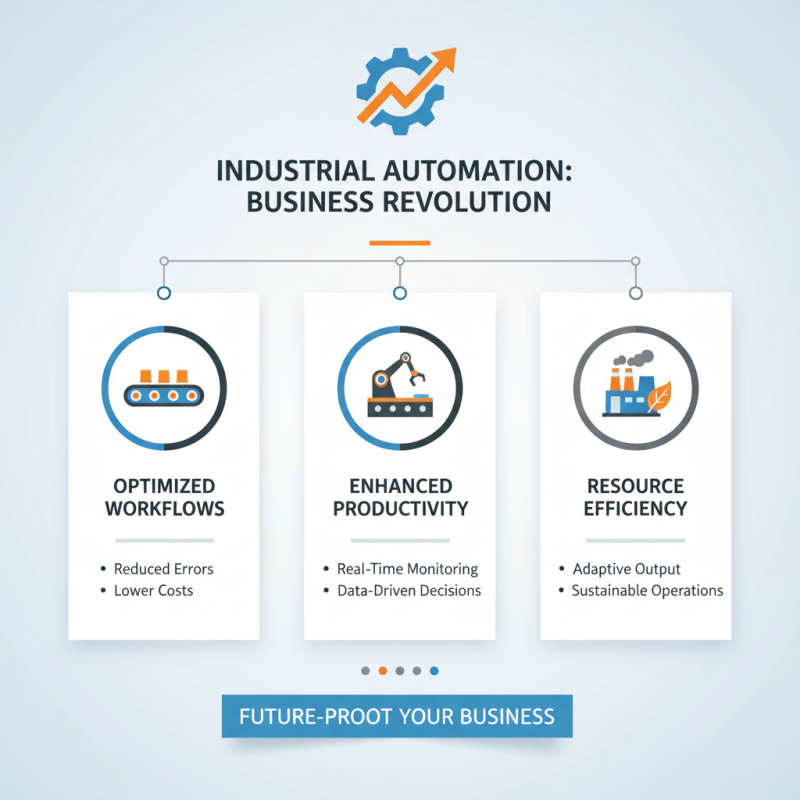
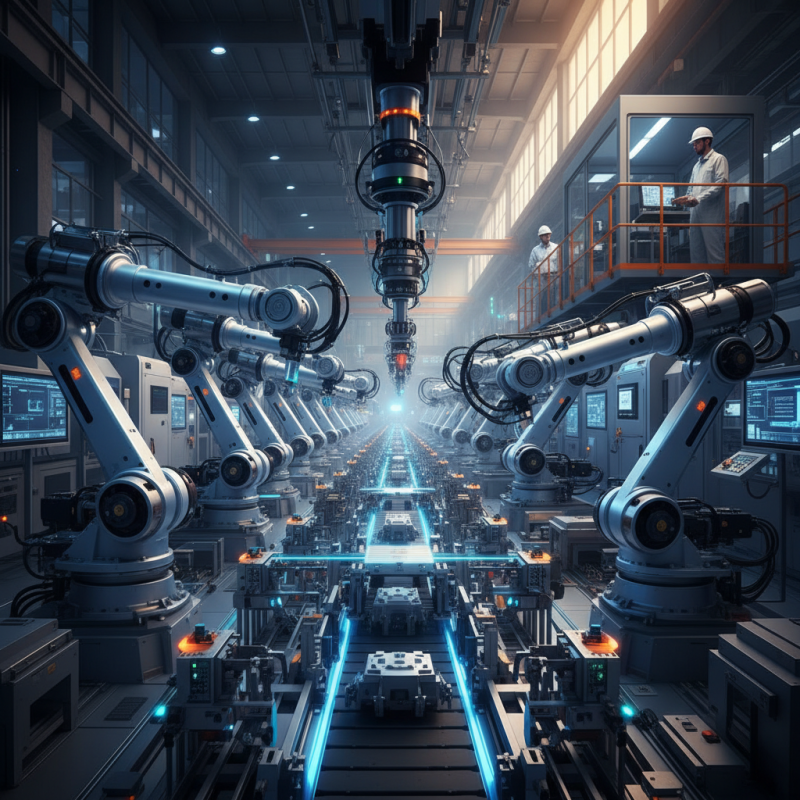
Industrial process automation transforms how modern businesses operate. It streamlines workflows and enhances productivity. By reducing human intervention, companies can minimize errors and decrease operational costs. Automation systems monitor processes in real-time, providing data that can lead to better decision-making. For instance, factories can adjust their output based on supply and demand, ultimately saving resources.
However, the shift to automation is not without challenges. Staff may feel anxious about job security. Miscommunication during the transition can lead to errors and delays. Companies must invest in training and clearly communicate changes to ensure a smooth integration. Maintaining a human element in operations is essential, as machines can't replace creativity and problem-solving skills. Balancing automation with human oversight can foster innovation while still enhancing efficiency.
Increased Efficiency Through Automation Technologies
Automation technologies are transforming the landscape of modern businesses, particularly by enhancing efficiency. Research indicates that companies implementing industrial process automation can achieve up to a 30% increase in productivity. This improvement stems from streamlined operations and reduced manual intervention. When machines handle repetitive tasks, human workers can focus on more complex challenges.
Data from industry reports highlights that automation can cut operational costs by 20%-25%. This cost reduction enables businesses to allocate resources more effectively. However, the initial investment in automation technologies can be daunting. Some companies struggle to balance the upfront costs with long-term gains. It’s essential for businesses to assess their unique needs and capabilities.
Moreover, while automation boosts efficiency, it can also lead to workforce concerns. Employees may fear job loss or require reskilling. Continual communication and training are vital to mitigate these issues. Finding the right balance between technology and human talent is a complex task. The journey towards automation should involve reflection and adaptation.
Top 10 Benefits of Industrial Process Automation for Modern Businesses
This chart illustrates the top 10 benefits of industrial process automation, highlighting how automation technologies increase efficiency in various areas.
Cost Reduction Strategies Implemented via Process Automation
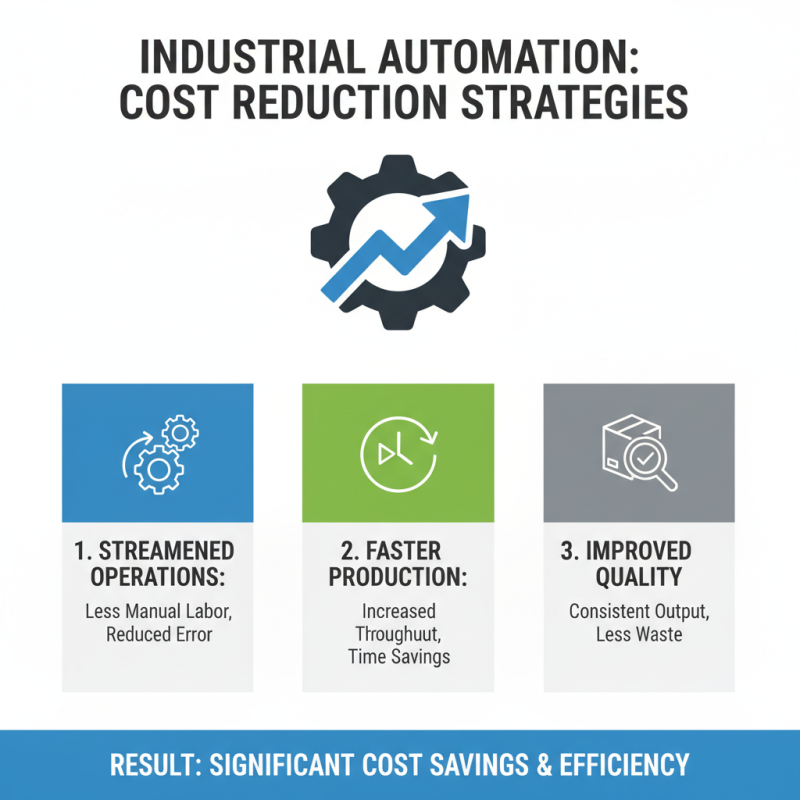
Industrial process automation offers significant cost reduction strategies for modern businesses. By streamlining operations, companies can minimize manual labor and human error. This results in faster production times and improved quality control. For instance, automated machinery can complete tasks like assembly and packing more efficiently than their human counterparts.
Tips: Evaluate your current processes. Identify areas where automation could save time and resources. Small changes can lead to big savings.
Another benefit of process automation is reduced operational costs. With predictive maintenance, businesses can anticipate equipment failures before they occur. This proactive approach saves money by avoiding unexpected downtime. In addition, automation allows for better inventory management. Businesses can optimize stock levels and reduce wastage, leading to reduced costs overall.
Tips: Regularly monitor your automation systems. Ensure they are functioning effectively. Outdated technology can hinder cost-saving efforts, so stay updated.
Enhancing Product Quality and Consistency with Automation
Automation plays a crucial role in enhancing product quality and consistency in modern businesses. By streamlining processes, automation reduces human errors significantly. This leads to more reliable outcomes in production. Automated systems can monitor quality in real time. They can identify defects immediately, ensuring that only the best products reach the customer.
Implementing automation may seem daunting. It requires initial investment and training. But the long-term benefits can outweigh these challenges. Engage your team in the automation process. Encourage them to share their perspectives. This can lead to better implementation and smoother transitions.
Tip: Don’t rush into automation without a plan. Assess current processes first. Identify areas where inconsistencies arise. This focused approach can provide clarity on where automation would be most effective. Remember, automation tools aren't foolproof. Regular evaluations and adjustments are necessary to maintain optimal performance.
Top 10 Benefits of Industrial Process Automation for Modern Businesses
| Benefit |
Description |
Impact |
| Increased Efficiency |
Automation speeds up production by minimizing manual interventions. |
Boosts overall output by up to 30%. |
| Enhanced Product Quality |
Consistent automation removes human errors, maintaining uniformity in products. |
Reduces defects by 15%. |
| Cost Reduction |
Lower operational costs through the reduction of labor and waste. |
Saves up to 20% in production costs. |
| Improved Safety |
Automating hazardous tasks reduces employee risks and workplace injuries. |
Decreases injury rates by 40%. |
| Better Inventory Management |
Automation aids in real-time tracking of inventory levels and demand. |
Improves stock accuracy by 25%. |
| Scalability |
Easier to expand operations without significant increases in costs or resources. |
Supports growth with minimal investment. |
| Data Collection and Analysis |
Automated systems collect valuable data for analysis and decision-making. |
Enhances decision-making speed and accuracy. |
| Enhanced Customer Satisfaction |
Faster response times and higher quality products lead to happier customers. |
Increases customer retention rates by 10%. |
| Sustainability |
Efficiency gains can lead to lower energy consumption and reduced waste. |
Improves environmental compliance and sustainability ratings. |
| Flexibility |
Automated systems can quickly adapt to changes in production needs. |
Meets diverse customer demands effectively. |
Improving Workplace Safety and Reducing Human Error in Industries
In today's fast-paced industrial environment, safety is paramount.
Automation can significantly enhance workplace safety.
By reducing the need for human intervention in hazardous tasks, automation minimizes the risk of injuries.
For instance, machines can handle heavy lifting, which prevents worker strain or accidents.
This creates a safer environment and allows employees to focus on less risky tasks.
Tips: Regularly assess your automated processes. Identify any areas where human input might still pose a risk.
Simplifying these elements can lead to better safety outcomes.
Human error is another significant concern in industries.
Mistakes can happen due to fatigue or stress.
Automation can reduce these errors by standardizing processes.
Machines do not get tired or distracted.
This consistent performance leads to higher quality and safety.
Tips: Invest in training for employees on automated systems. Well-informed workers can better manage and oversee automated processes.
Good training ensures that employees understand the technology, which minimizes the risk of errors when human oversight is needed.
Despite the many benefits of automation, challenges remain.
Some workers may feel threatened by machines taking over certain tasks.
This can lead to resistance.
Addressing these concerns through communication and engagement is vital.
It's important to create a culture that embraces change while valuing human contributions.