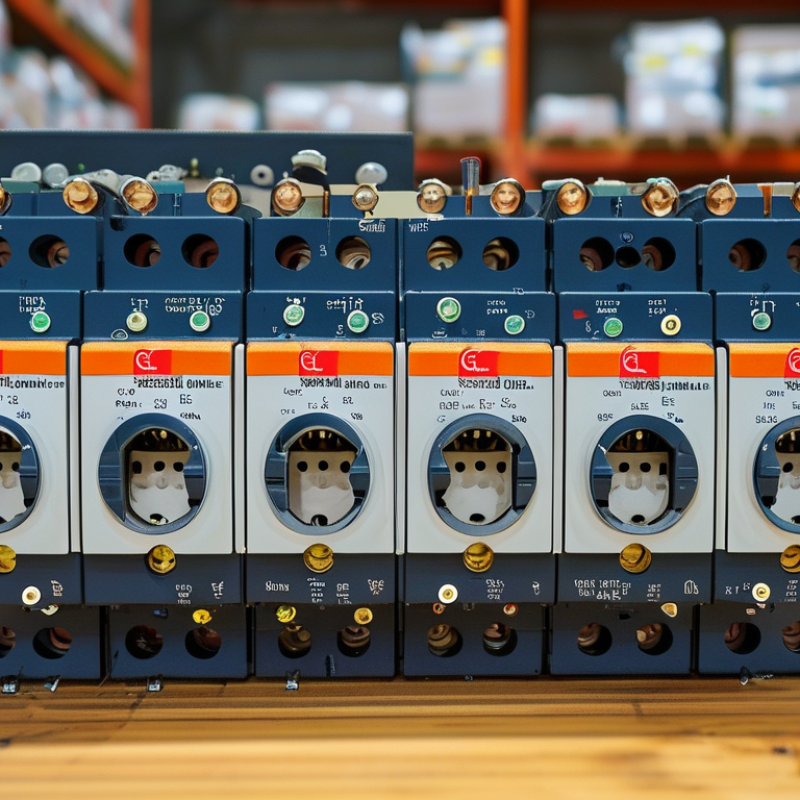
ACB Circuit Breaker Tips for Global Buyers What You Need to Know
Purchasing Acb Circuit Breakers can be complex for global buyers. Understanding their functionality and application is crucial. ACB stands for Air Circuit Breaker, a vital component in electrical systems. It protects against overloads and short circuits.
When selecting an ACB Circuit Breaker, consider various parameters. Specifications like current rating, voltage, and tripping characteristics are essential. Buyers should also analyze manufacturer reliability and after-sales service. These factors significantly impact overall performance.
Yet, challenges exist. Market saturation can lead to confusion. Buyers may overlook critical features when comparing options. It's vital to conduct thorough research and seek expert advice. Finding the right ACB Circuit Breaker requires effort but ensures safety and efficiency in electrical systems.
Understanding ACB Circuit Breakers and Their Importance
ACB (Air Circuit Breaker) circuit breakers play a crucial role in electrical systems. They protect equipment from overloads and short circuits. By automatically interrupting the flow of electricity, ACBs prevent potential damage. Understanding their features is essential for buyers.
ACBs come with various settings and features. Users should consider trip settings, voltage ratings, and frame sizes. Each specification can affect performance. Additionally, installation requirements are important. Improper installation can lead to malfunction.
Regular maintenance is also necessary. Dust and moisture can compromise ACB functionality. Buyers should plan for routine inspections to ensure reliability. Inconsistent maintenance can lead to unexpected failures. A clear understanding of these factors can help buyers make informed decisions.
Key Features and Specifications to Consider When Buying ACBs
When considering the purchase of air circuit breakers (ACBs), several key features are vital for global buyers. First, it's essential to evaluate the breaking capacity. This specification determines the maximum current that a circuit breaker can interrupt without sustaining damage. A higher breaking capacity is crucial for systems with high fault currents. Understanding this metric ensures safety and reliability in electrical installations.
Another important factor is the temperature rating. ACBs operate best within certain temperature ranges. If temperatures exceed these limits, performance can degrade significantly. This aspect may be overlooked but is critical in environments with fluctuating temperatures. Additionally, the type of mechanism—electromagnetic or thermal—also deserves attention. Each has its pros and cons in terms of responsiveness and cost-effectiveness.
Also, consider the size and weight of the ACB. It influences installation ease and overall space management. If a breaker looks robust, it doesn’t always mean it’s the best choice. Sometimes, lighter models are more efficient depending on the application. Reflect on your specific needs and priorities before making a decision. Balancing features with practicality can lead you toward a more informed purchase.
Factors Influencing ACB Pricing in Global Markets
When considering the pricing of Air Circuit Breakers (ACBs) in global markets, various factors come into play. Market demand is a key element. Recent reports indicate that the demand for ACBs is projected to grow at a CAGR of 5.5% through 2027. This is driven by increasing industrialization and the need for efficient electrical management systems.
Another significant factor is material costs. The price of raw materials like copper and aluminum can fluctuate, impacting the overall cost of manufacturing ACBs. For instance, copper prices increased by 25% in the last year alone. Such changes can lead to unpredictability in pricing for buyers. Additionally, the sourcing of high-quality components often influences the final product cost. Suppliers with a robust supply chain can provide more reliable pricing structures.
Regulatory standards also play a role. Different regions impose varying compliance costs. Aligning with international standards may require additional investments, which can affect pricing strategies. Some manufacturers may struggle with compliance, affecting their market competitiveness. Therefore, buyers should carefully evaluate suppliers and their adherence to these regulations. Understanding these dynamics will enable buyers to make informed decisions in their procurement processes.
Common Applications of ACBs Across Different Industries
Air Circuit Breakers (ACBs) serve crucial roles across various industries. They protect electrical circuits from overloads and short circuits. ACBs are widely used in power generation and distribution. They ensure safety and prevent equipment damage. Manufacturing plants also rely on them for efficient operations. Heavy machinery and assembly lines benefit from ACB protection. This application minimizes downtime and maintenance costs.
In the commercial sector, ACBs are essential. They manage electrical loads for office buildings and data centers. Large commercial setups often face significant electrical demands. ACBs help in distributing power effectively. Hospitals also utilize ACBs for critical machinery. Reliable power is vital for life-saving equipment. Any interruptions could lead to dire consequences.
ACBs are not limited to heavy industries. They find importance in renewable energy sectors too. Solar power plants and wind farms use ACBs to manage fluctuations. However, reliance on these devices is not without challenges. Proper installation and maintenance are crucial. There can be risks if inadequately addressed. Regular inspections can help ensure their longevity and performance. Understanding these applications leads to more informed decisions for buyers.
Common Applications of ACBs Across Different Industries
This chart illustrates the common applications of Air Circuit Breakers (ACBs) in various industries, showcasing their significance in ensuring electrical safety and efficiency.
Tips for Choosing the Right ACB Supplier and Manufacturer
When selecting an Automatic Circuit Breaker (ACB) supplier or manufacturer, understanding their experience is crucial. Look for companies with a long track record in the industry. Years of operational success often translate to reliability and expertise. Check reviews or case studies that showcase their past projects. This can provide insight into their capabilities.
Quality assurance and compliance with standards are essential. Ensure that potential suppliers adhere to relevant safety and quality regulations. Request certifications or documentation to confirm this. Consider engaging with manufacturers who invest in advanced technology. This commitment often leads to better products.
Finally, communication matters. An effective supplier should be responsive and willing to provide detailed information. Miscommunication can lead to errors. If a supplier is not clear on their processes, it raises concerns. Always remember that the right partner can significantly affect project outcomes.